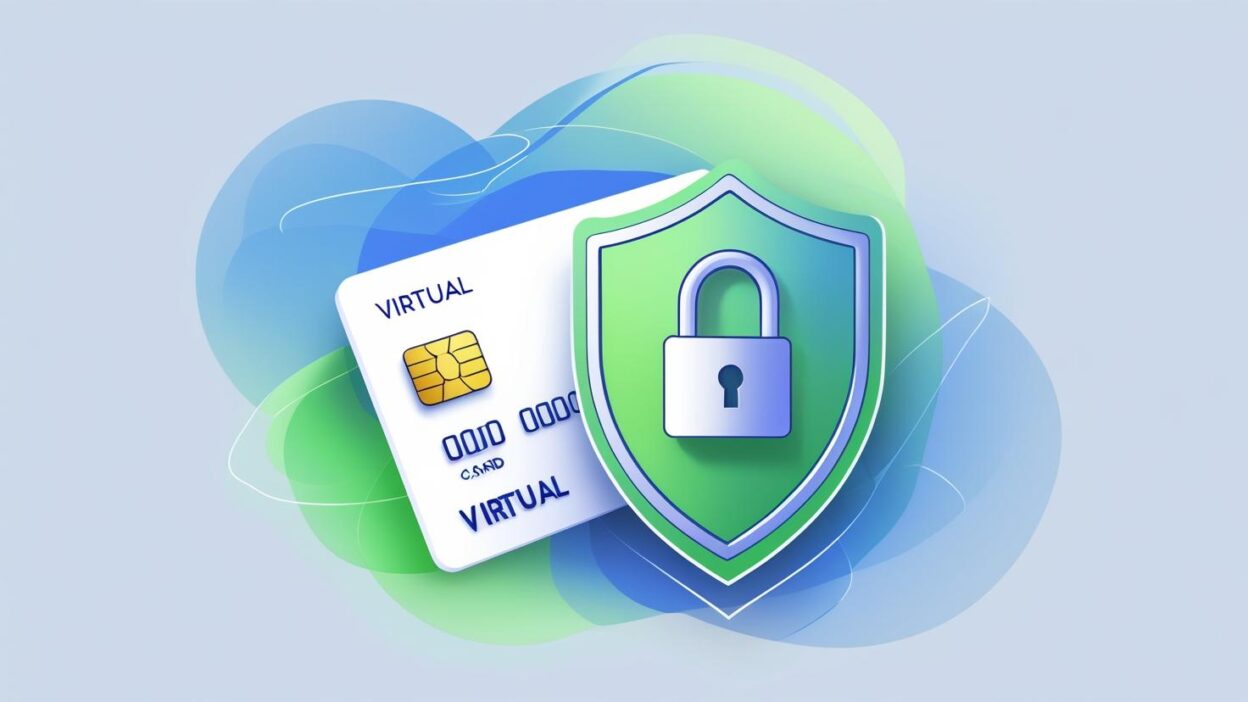
In today’s digital-first economy, virtual cards have become a key tool for businesses looking to prevent fraud and gain greater control over spend. Compared to traditional physical cards, virtual cards offer enhanced flexibility and security—powered by three core technologies: tokenization, spending limits, and dynamic CVV.
Why Are Virtual Cards More Secure?
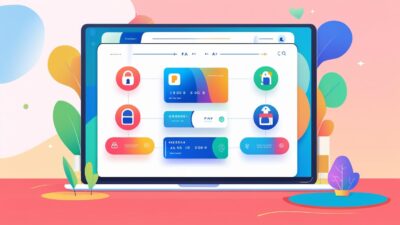
A virtual card is a non-physical card that can be generated and used online. Each card can be created for a specific purpose, with custom rules and usage limits, making it highly suitable for complex or high-volume payment scenarios.
For example, a marketing manager might use a platform like Buvei to generate short-term virtual cards for advertising, vendor payments, or travel expenses—effectively reducing the risk of misuse, fraud, or overspending.
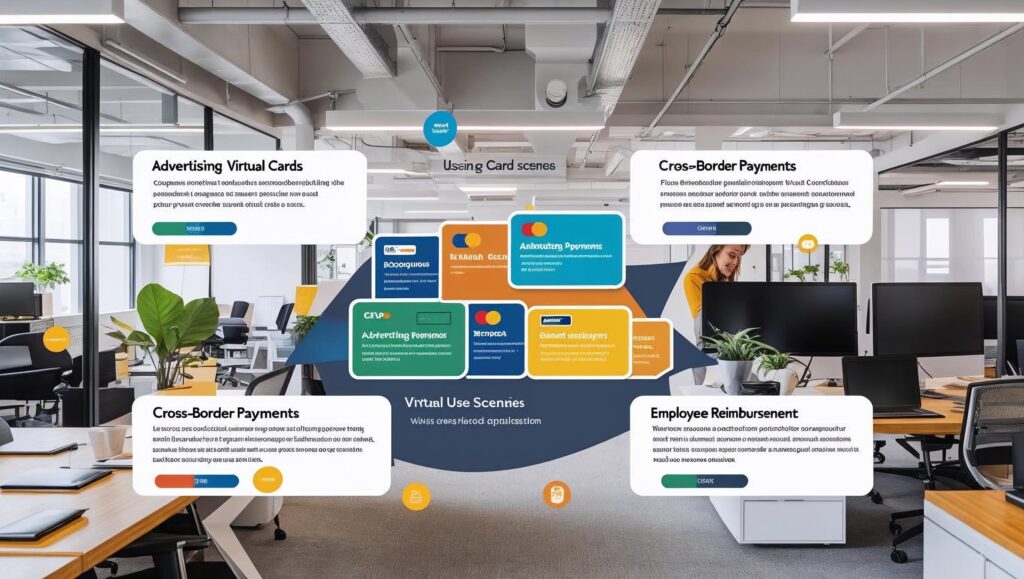
Core Mechanism 1: Tokenization
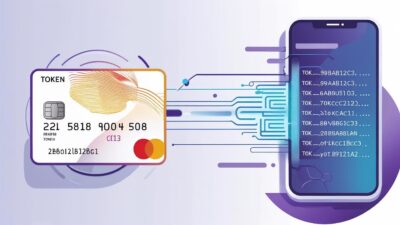
Tokenization lies at the heart of virtual card security. It replaces a real card number with a unique, encrypted token that acts as a stand-in during the transaction process. Even if intercepted, the tokenized number is meaningless to bad actors.
For businesses, the advantages go beyond security. Tokenization enables use-case-based isolation—generating different tokens for each platform or vendor, helping reduce fraud exposure and simplifying audit trails.
Core Mechanism 2: Spend Controls
One of the most powerful features of virtual cards is the ability to configure detailed spend controls. Businesses can set per-transaction, daily, or monthly limits, restrict usage to certain merchant categories (MCC), or enforce time-based expiration.
Common use cases include:
-
Setting daily ad budgets across multiple media channels
-
Creating single-use cards for one-time vendor payments
-
Assigning employee reimbursement cards with strict caps
These controls not only reduce financial risk but also help teams manage budgets more efficiently and stay compliant.
Core Mechanism 3: Dynamic CVV
Traditional credit cards use a static CVV (Card Verification Value), which can easily be compromised if the data is leaked. Virtual cards can feature dynamic CVVs—security codes that refresh automatically after a set period or for each transaction.
This dramatically increases protection for companies operating in high-risk or high-frequency online environments, particularly those involved in cross-border transactions.
Who Should Use Virtual Cards?
Virtual cards provide clear benefits for a range of business users:
-
Digital advertisers: Create unique cards per channel, manage caps, and track ROI with precision
-
Cross-border SaaS or eCommerce: Reduce risk in high-volume, low-value payment environments
-
SMBs or startups: Launch new markets or run short-term projects using KYC-free issuance options
With Buvei, businesses can issue multi-currency virtual cards instantly, skipping lengthy onboarding while testing new markets or local payment scenarios at low operational cost.
Virtual Cards Power Secure, Modern Business Payments
Virtual cards are more than just digital versions of plastic cards—they are modern, programmable payment instruments built for a global, real-time, and highly regulated environment. By combining tokenization, spending controls, and dynamic CVV, businesses can reduce risk, increase efficiency, and take full control over their financial operations.
As payment ecosystems become more complex, leveraging virtual card infrastructure with strong built-in security is no longer optional—it’s a strategic necessity for forward-thinking companies.
🔗 Get your Buvei virtual card now at: https://www.buvei.com