In the age of digital commerce, seamless and secure transactions are crucial. Whether you're running a global eCommerce platform or a SaaS subscription business, understanding what a payment gateway is—and why it matters—can help you optimize your payment operations and improve customer trust.
What Is a Payment Gateway?
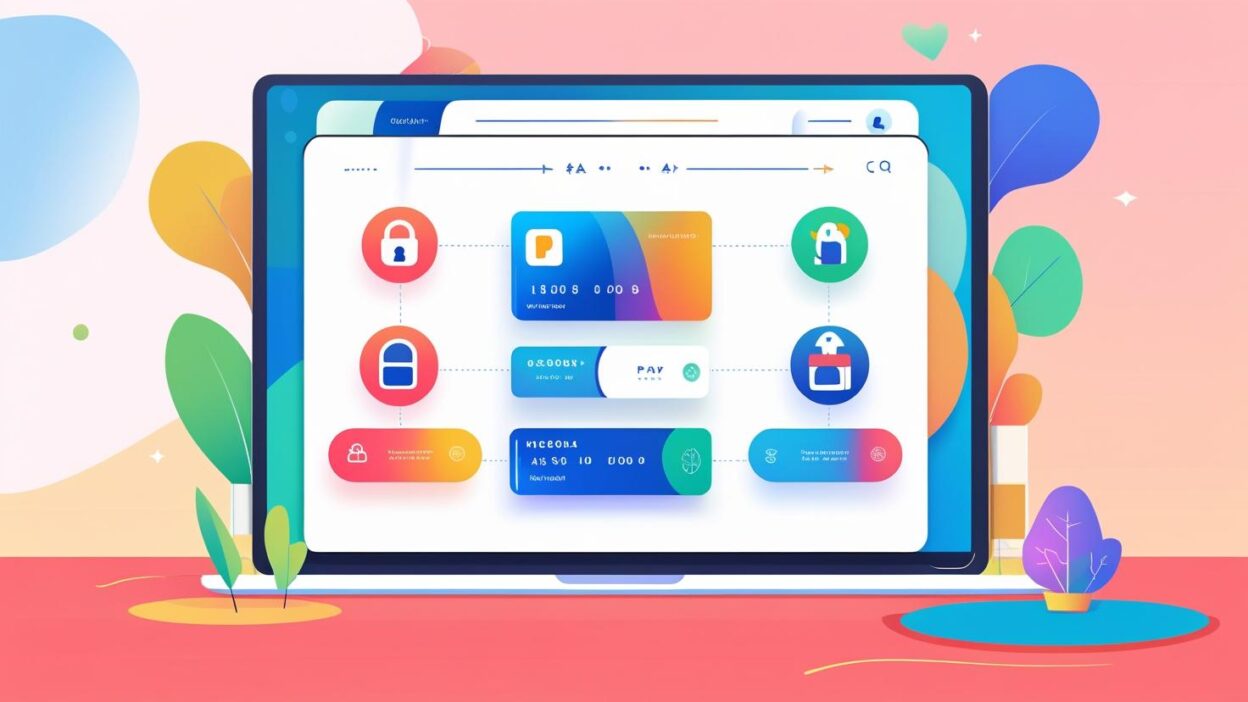
A payment gateway is the technology that captures and transfers payment data from the customer to the acquiring bank and then returns the transaction approval or denial back to the merchant. Think of it as the digital equivalent of a point-of-sale terminal in a physical store.
In essence, the gateway acts as the front desk of your online store. It handles:
-
Customer card data encryption
-
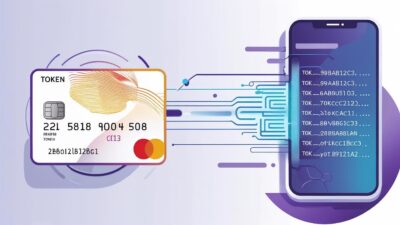
Tokenization of sensitive payment details
-
Authorization request transmission
-
Fraud screening protocols
Popular examples of payment gateways include Stripe, Adyen, Checkout, and PayPal.

How Does a Payment Gateway Work?
Here’s a simplified step-by-step breakdown of the payment gateway process:
-
Customer Checkout: A customer selects products and enters payment details on the merchant’s website.
-
Data Encryption: The payment gateway encrypts this information and sends it securely to the payment processor.
-
Authorization: The processor communicates with the customer’s issuing bank via the card network (e.g., Visa, Mastercard) to approve or decline the transaction.
-
Response Transmission: The payment gateway receives the response and shares it with the merchant.
-
Transaction Confirmation: If approved, the payment is confirmed; if denied, the customer is prompted to try another method.
This entire process happens in just a few seconds.
Key Features of a Modern Payment Gateway
Modern gateways are more than simple payment tunnels. They include:
-
Multi-currency support
-
Recurring billing tools
-
Integrated fraud detection
-
Chargeback management
-
Tokenization and PCI DSS compliance
-
Seamless mobile and desktop integration
Gateways today are also expected to support Buy Now Pay Later (BNPL), crypto payments, and alternative payment methods to serve global, mobile-first consumers.
Payment Gateway vs. Payment Processor
While these terms are often used interchangeably, they’re different components of the transaction stack:
| Feature | Payment Gateway | Payment Processor |
| Role | Collects and encrypts payment details | Moves funds between accounts |
| Position in Workflow | Front-end (customer-facing) | Back-end (bank communication & settlement) |
| Focus | Authorization and security | Clearing and settlement |
| Examples | Stripe (gateway + processor), PayPal | Fiserv, Worldpay, Elavon |
Many companies today combine both functions into one integrated platform (like Buvei), simplifying the payment infrastructure for modern merchants.
Why Businesses Need a Payment Gateway
-
🛡️ Security: Protect sensitive cardholder data through encryption and tokenization.
-
⚙️ Automation: Speed up transaction approvals, refunds, and recurring billing.
-
🌍 Scalability: Accept payments globally in multiple currencies and languages.
-
💼 Compliance: Maintain PCI DSS and GDPR standards with built-in compliance tools.
-
🚀 Conversion Optimization: A faster, localized checkout leads to better conversion rates.
How Buvei Combines Gateway and Processing
At Buvei, we offer an integrated solution that combines the best of both payment gateways and processors. Our virtual card infrastructure and A2A payment compatibility help fintechs and merchants:
-
Launch global payment operations faster
-
Reduce overhead and reconciliation time
-
Offer seamless checkout experiences across borders
With Buvei, you don’t have to choose between security, speed, and scalability.
Final Thoughts
Understanding what a payment gateway is—and how it fits into the broader payments ecosystem—is critical for businesses looking to grow online. As digital transactions become more sophisticated, having the right gateway in place can mean the difference between a frictionless user experience and a lost customer.
If you're building a fintech platform, launching a SaaS product, or scaling cross-border eCommerce, now is the time to revisit your payment gateway strategy.