In today’s fast-paced digital payments ecosystem, security and privacy are just as critical as speed and convenience. Whether you're paying in-store with Apple Pay or using a virtual card to manage subscriptions online, payment tokenization is a core technology that keeps transactions safe.
But what exactly is tokenization—and does a virtual card count as a token?
Let’s unpack the differences with real-world examples and explain how Buvei fits into this evolving security landscape.
What is Tokenization?
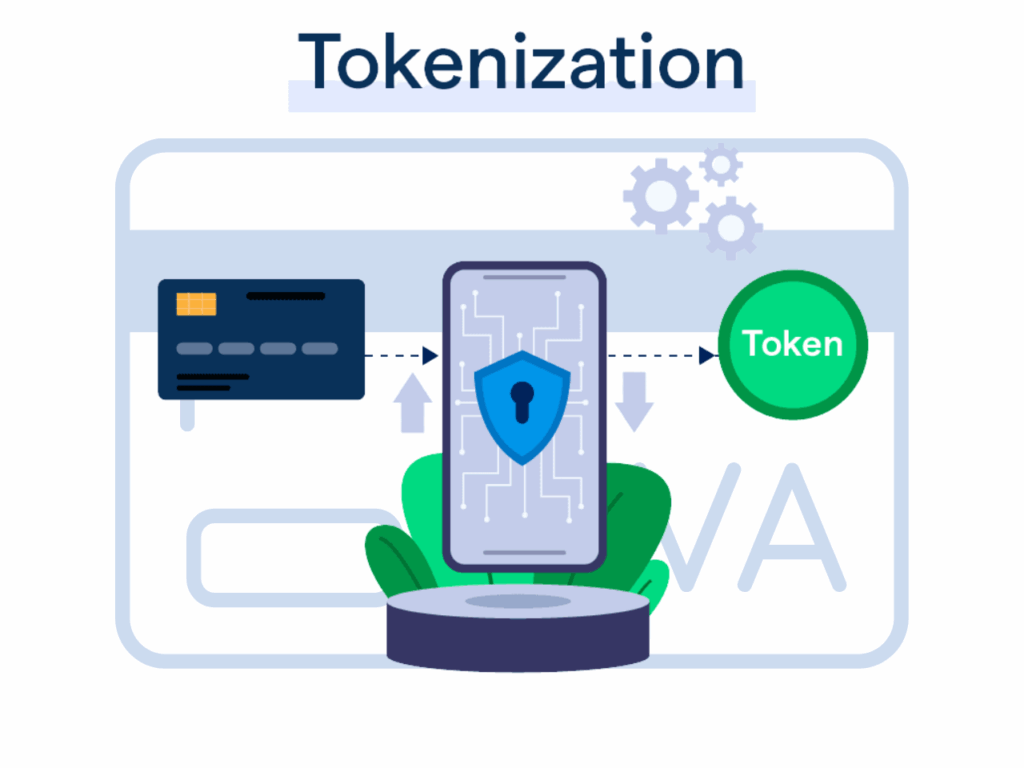
Payment tokenization is a process that replaces sensitive card data—such as your actual 16-digit card number—with a secure, non-reversible token.
This token acts as a stand-in during transactions, ensuring that your real card number is never exposed during payment processing.
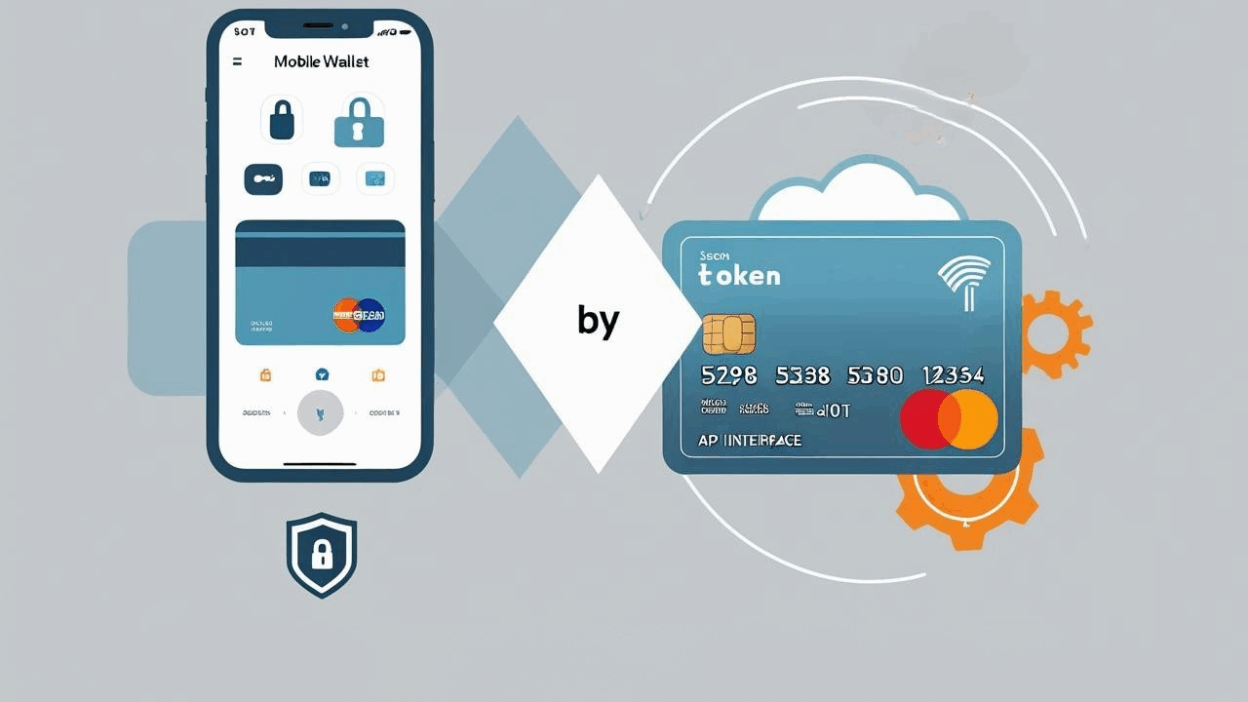
Example: Apple Pay or Google Pay
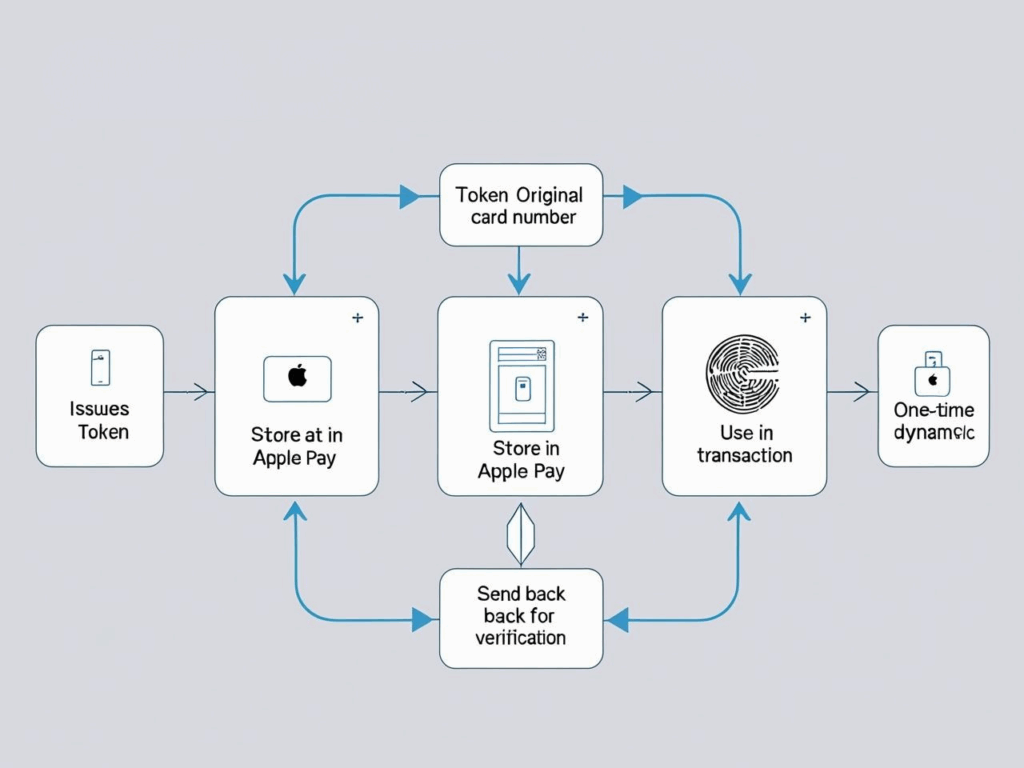
When you add a credit card to Apple Pay:
-
Apple does not store your actual card number
-
A token (called a Device Account Number) is issued via the card network
-
This token is securely stored on your device
-
Each transaction uses a unique cryptogram for added protection
Even if a hacker intercepts the payment data, what they capture is just a token—not your actual card information.
Tokenization vs Encryption
Tokenization is often confused with encryption, but the two are fundamentally different:
| Feature | Tokenization | Encryption |
| Purpose | Replaces data with a token | Scrambles data into unreadable code |
| Reversibility | Not reversible without a vault | Reversible with a decryption key |
| Storage | Uses a token vault | Requires key management |
| Common Use Cases | Card number substitution in payments | General data protection |
What Are Virtual Cards?
A virtual card is a digital-only payment card issued by a bank or payment platform like Buvei. It's typically linked to a real funding source but has its own unique card number and customizable rules.
Virtual cards can be:
-
Used for one-time or recurring payments
-
Issued with spending limits, merchant restrictions, or expiration dates
-
Designed to mask your real account in risky or untrusted environments
Common Use Cases for Virtual Cards:
-
SaaS or subscription billing
-
Digital ad account payments
-
Cross-border purchases
-
Employee reimbursements or travel spend
While virtual cards enhance security and control, it’s important to note: they are not the same as tokens, even though both aim to reduce risk exposure.
Tokenized Cards vs. Virtual Cards: What's the Difference?
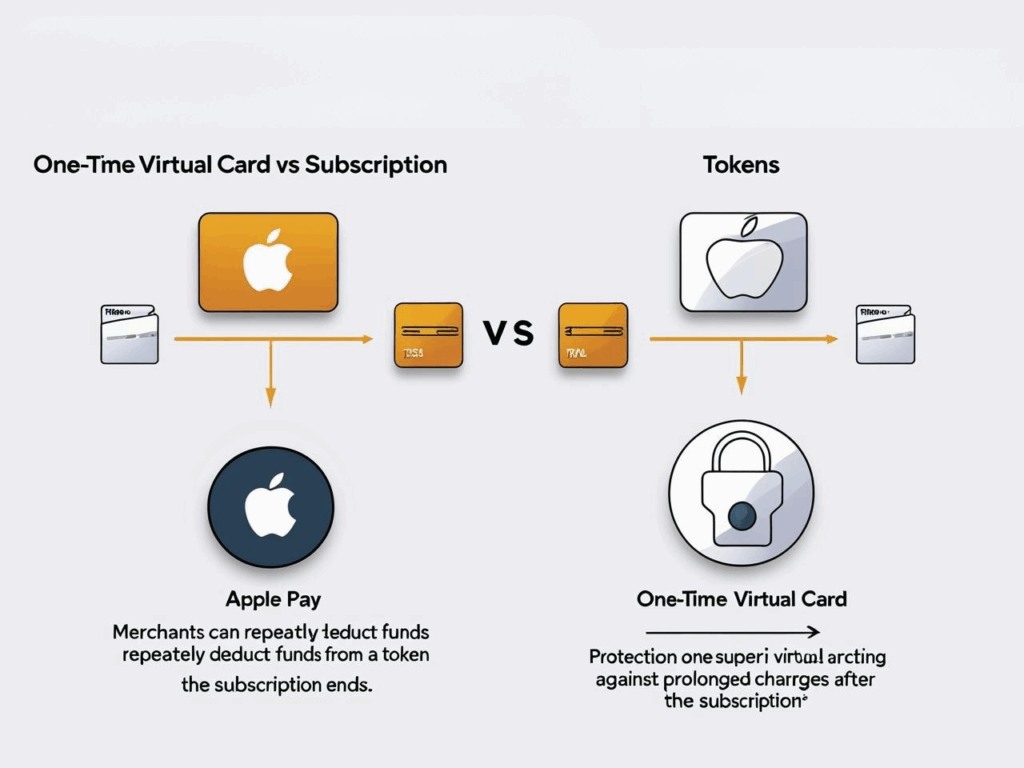
| Feature | Tokenized Card (e.g., Apple Pay) | Virtual Card (e.g., Buvei) |
| Linked to a physical card | Yes | Not necessarily |
| Card number changes | No (token is static) | Yes (Buvei supports dynamic PANs) |
| Stored on device | Yes | No—cloud-based and accessible anywhere |
| Created by | System-initiated, app-based | User-generated via dashboard or API |
| Use restrictions | Typically tied to device or app | Highly configurable (usage, time, limits) |
| Control level | Limited | Full control over behavior and lifecycle |
In short: A tokenized card makes your existing card safer to use, while a virtual card gives you a new, programmable card for every payment scenario.
Why Virtual Cards Matter More for Businesses
If you manage multiple suppliers, ad platforms, or SaaS tools, tokenization alone isn't enough.
Limitations of tokenization in business use:
-
No spend controls
-
No lifecycle or usage-based restrictions
-
No way to assign cards to teams, vendors, or budgets
-
Poor transparency for reconciliation or cost tracking
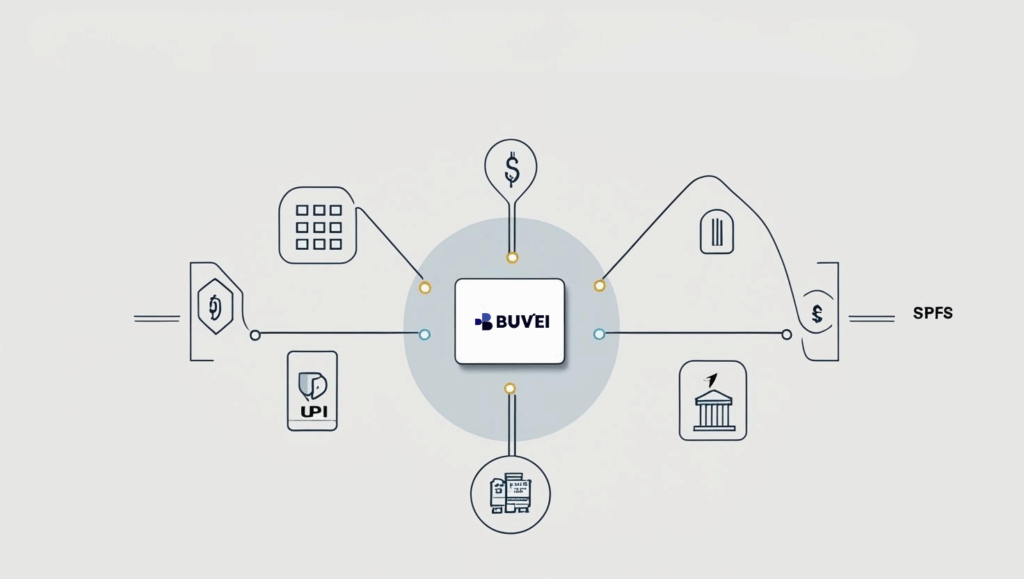
That’s where virtual cards, especially those powered by Buvei, become a strategic asset.
With Buvei, you can:
-
Create cards tailored to specific use cases
-
Set merchant categories, limits, and durations
-
Monitor spend through API-enabled reporting
-
Block misuse before it happens with built-in controls
Tokenization is Step One. Control is the End Game.
Tokenization and virtual cards both strengthen payment security—but in different ways.
While tokenization protects how a card is used, virtual cards empower you to decide which card to use, when, and how.
Buvei combines the best of both: Dynamic, secure card creation plus full lifecycle control for growing businesses.