Tokenization: A Cornerstone of Secure Payments
As digital payments continue to scale globally, tokenization has become a vital tool in combating fraud and safeguarding sensitive data. According to Visa’s 2024 report, tokenization can reduce payment fraud by up to 60%. Yet, over 70% of merchants have yet to fully leverage its capabilities.
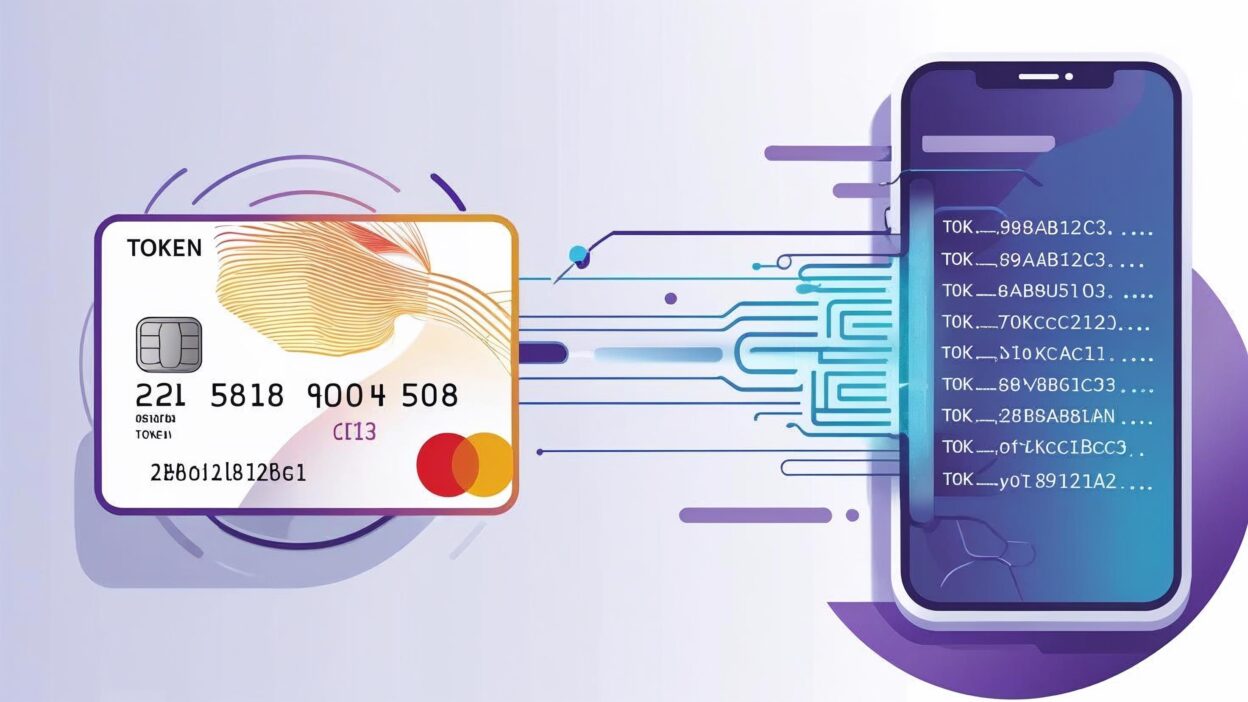
By replacing sensitive card data with a secure, non-reversible token, this technology ensures that real card numbers are never exposed during transactions — enhancing both consumer trust and payment security.
How Tokenization Works — And Its Different Forms
Tokenization workflow:
-
Data entry: The user enters their card number (e.g., 4111 1111 1111 1111) at checkout
-
Token request: The merchant system sends the card data to a Token Service Provider (TSP)
-
Token generation: The TSP returns a secure token (e.g., tok_789e12fg45hi67)
-
Transaction processing: The token is used like a real card number to complete the transaction via the payment network
Key features:
✅ Irreversibility – Tokens are mathematically unrelated to the original PAN
✅ Scoped usage – Tokens can be bound to specific merchants or devices (e.g., Apple Pay)
Types of tokens:
| Token Type | Use Case | Example Token |
| Payment Token | Subscription services | tok_v4s9... |
| Gateway Token | PSP-specific (e.g., Stripe) | pi_3LN... |
| Network Token | Issuer-backed (Visa, Mastercard) | 4895 12XX XXXX 9012 |
Regulatory & Compliance Benefits
Reduced PCI DSS Scope: Tokenization can shrink PCI compliance requirements by up to 80% (TokenEx, 2023). Since only the TSP handles raw card data, merchants avoid direct exposure to sensitive information.
GDPR & PSD2 Alignment: Under GDPR Article 4(5), tokens are categorized as pseudonymized data. Additionally, network token transactions may qualify for PSD2’s Strong Customer Authentication (SCA) exemptions.
Business Impact: Fraud Reduction & User Experience
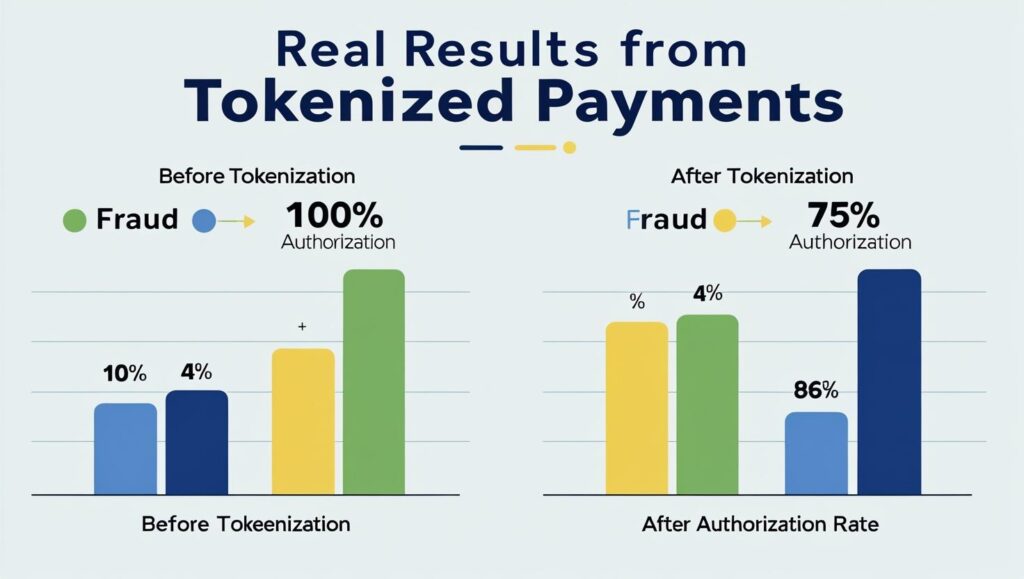
Case Study: After implementing network tokenization, a European travel platform reported:
-
58% reduction in fraudulent orders
-
11% increase in approval rates (due to higher issuer trust in tokenized payments)
Token vaults support one-click checkout experiences without storing card numbers, and network tokens help bypass regional card restrictions — especially useful in cross-border transactions.
-
Implementation Guidelines
For PSPs (Payment Service Providers):
-
Partner with PCI Level 1-certified Token Service Providers
-
Ensure API frameworks comply with EMVCo standards (especially for mobile wallets)
-
Implement lifecycle management for token expiration and revocation
For merchants:
-
Require tokenization support from PSPs
-
Audit token request logs quarterly to detect anomalies
With solutions like Buvei’s virtual card infrastructure, businesses can more easily integrate tokenization into their payment stack — improving global transaction security and flexibility with minimal development overhead.
Looking Ahead: The Future of Tokenization
Emerging trends are set to expand the role of tokenization:
-
CBDCs: The European Central Bank’s digital euro pilot includes tokenized architecture
-
Biometric linking: Mastercard plans to pilot facial and voice biometric-token pairing by 2025