As mobile banking becomes a default choice for millions worldwide, its convenience comes with rising cybersecurity risks. According to Kaspersky, over 33.8 million mobile attacks were recorded globally in 2023—a 52% increase year-over-year. This surge makes securing mobile banking apps, transactions, and sensitive user data more critical than ever.
The Hidden Risks of Mobile Banking
Cybercriminals are getting smarter, often exploiting both technical flaws and user behavior. Here are the key attack vectors:
| Threat Type | Description |
| Banking malware & trojans | Fake apps or links install malicious code to log keystrokes or capture screenshots |
| Phishing (Smishing/Emails) | Scammers impersonate banks to trick users into giving up passwords or 2FA codes |
| Fake banking apps | Fraudulent apps mimic real ones to steal login credentials |
| Man-in-the-middle attacks | Hackers intercept data via unsecured public Wi-Fi networks |
| SIM swapping | Fraudsters hijack your phone number to bypass SMS-based verification |
| Application-level vulnerabilities | Exploiting unsecured fields, SQL injections, or app flaws to gain access |
| Account takeover | Using leaked credentials from past breaches to log into your mobile bank |
Signs Your Mobile Bank Account Might Be Compromised
Watch out for these red flags:
-
Unknown or unauthorized transactions, even in small amounts
-
Your login credentials stop working
-
You receive unusual OTPs or security alerts
-
Your contact info (email/phone) is changed without your action
-
New, unrecognized payees are added
-
You suddenly lose mobile signal (may indicate SIM hijacking)
-
Your banking app layout or flow changes unexpectedly
If any of these occur, immediately freeze your account and contact your bank’s support team.
How to Protect Your Mobile Bank Account in 2025
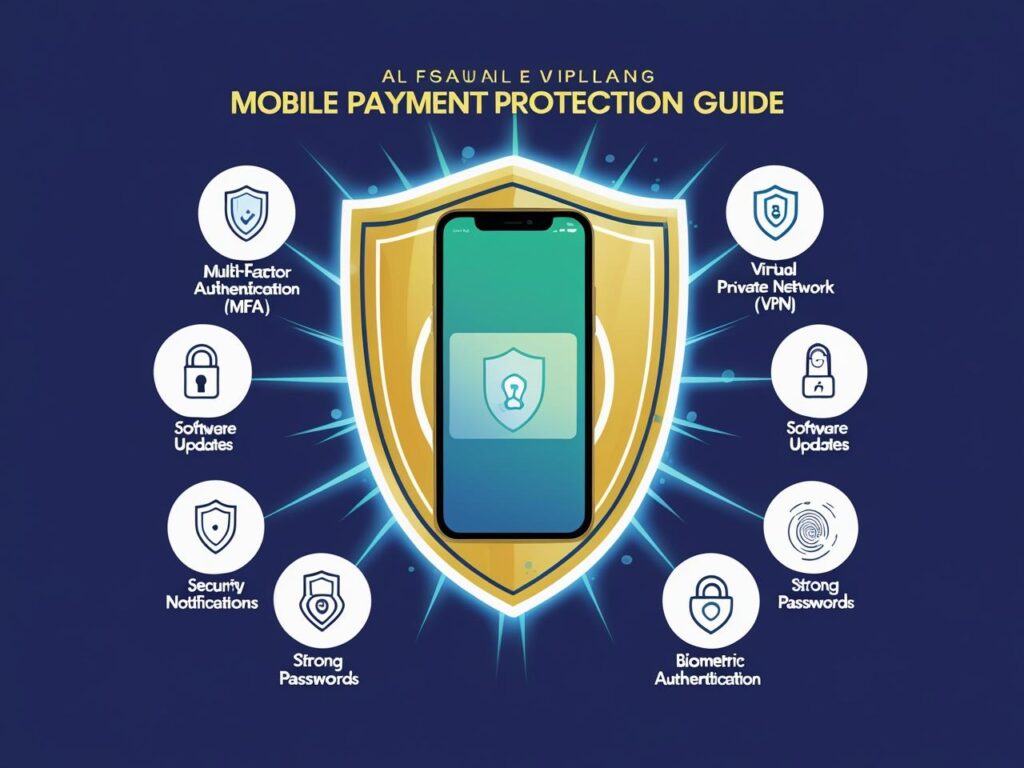
While banks deploy robust fraud detection systems, your phone is still the weakest link. Here are expert-approved mobile banking safety tips:
-
Use Strong Passwords & Multi-Factor Authentication (MFA)
Create complex passwords (12+ characters), avoid reusing them, and enable MFA. App-based authenticators (e.g., Google Authenticator) are more secure than SMS codes and protect against SIM-swap attacks.
-
Avoid Logging into Banking Apps on Public Wi-Fi
Public networks are vulnerable to data interception. Use mobile data or a trusted VPN to secure your session.
-
Keep Your OS and Apps Updated
Apply updates promptly for your phone and banking apps. Security patches fix exploitable flaws before hackers can take advantage.
-
Enable Real-Time Transaction Alerts
Turn on push notifications for all transactions. Also, regularly review your payee list, auto-debits, and login history.
-
Download Banking Apps from Official Stores Only
Avoid third-party APK sites. Only install apps from the App Store or Google Play, and verify the developer’s identity.
-
Beware of Phishing Texts and Emails
Over 80% of phishing scams now target mobile users. Never click on unknown links or reply to messages requesting "account verification"—instead, contact your bank directly via official channels.
Why Virtual Cards Are Essential for Safer Mobile Payments
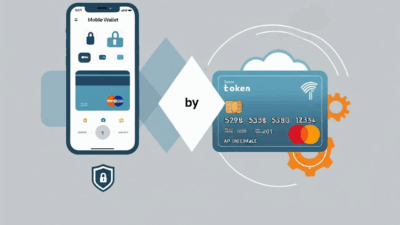
Every time you use a physical card online, your real card number is at risk. With data breaches on the rise, virtual cards offer a safer, smarter alternative:
-
💳 Single-use cards: Use once, then expire—ideal for unfamiliar platforms or one-time purchases
-
🛒 Merchant-locked cards: Locked to the first merchant used, blocking unauthorized reuse elsewhere
-
🗂 Category-specific cards: Set card rules to limit use to e-commerce, travel, or other spending categories
-
⛔ Custom spending limits: Control exposure with per-card limits and the ability to freeze instantly
With Buvei, you can create, manage, and close virtual cards on demand—without exposing your primary bank account.
Getting Started with Buvei Virtual Cards
Just 3 quick steps to enable secure mobile payments with Buvei:
-
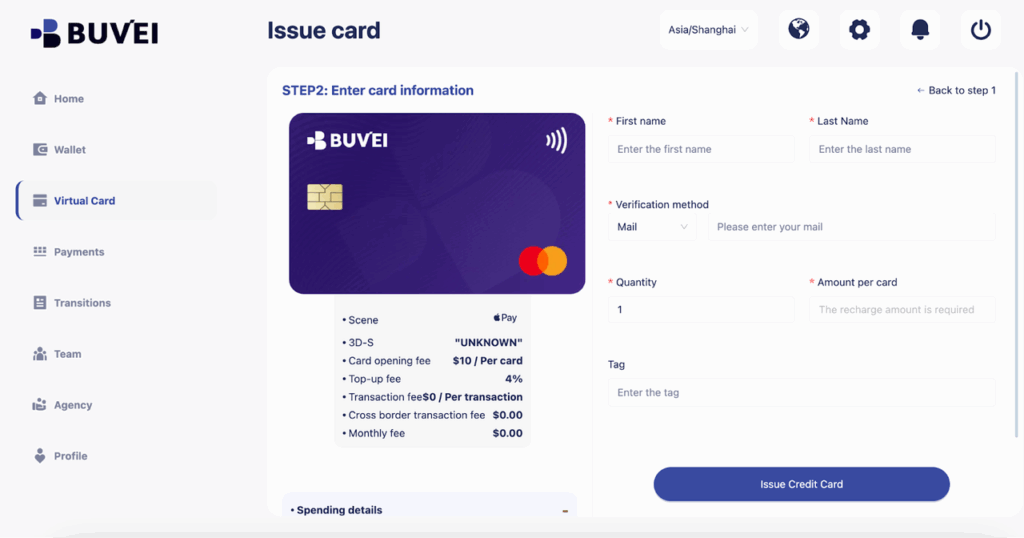
Fund your wallet: Top up your account from the "Wallet" section
-
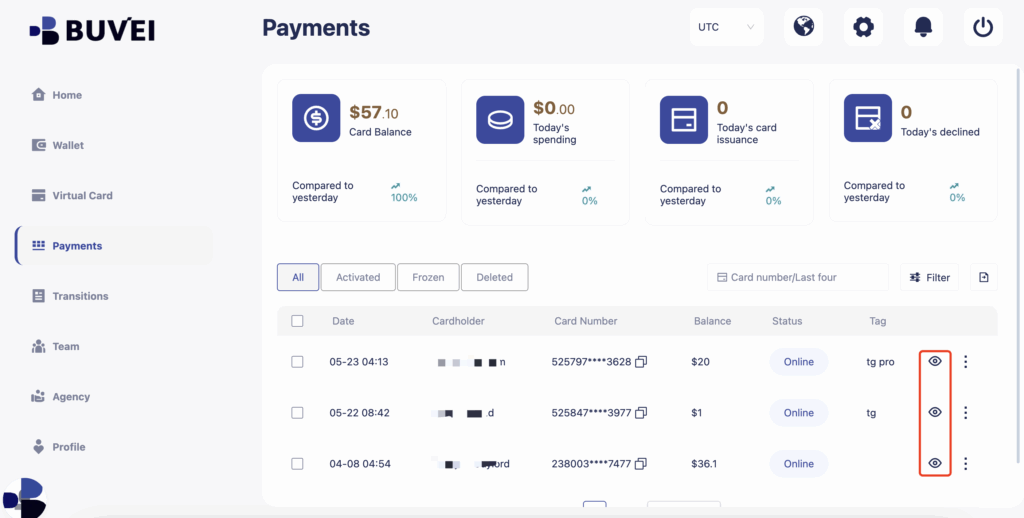
Create your card: Customize the card’s usage category, currency, and limit—then start using it instantly
The Go-To Payment Security Solution for 2025
In an era of rising data leaks and payment fraud, relying solely on traditional banking cards is no longer enough. Buvei virtual cards deliver a next-gen payment experience built on account isolation, real-time controls, and advanced fraud protection.
Whether you're a cross-border seller, digital marketer, or a privacy-conscious shopper, Buvei empowers you to control your finances with confidence.
Frequently Asked Questions
Q1: Are credit card numbers unique?
Yes, each number is globally unique and structured using the issuer’s BIN/IIN.
Q2: Can a valid-looking card number be fake?
Yes. Luhn-check valid numbers can still be fake or unused. Use trusted providers.
Q3: Why use a virtual card over a physical card?
Virtual cards prevent data leaks during online purchases and reduce recurring charge risks.
Q4: What if my card number is leaked?
With Buvei, you can freeze or delete a card in one click—no need to cancel your main account.
Q5: Are virtual cards accepted for subscriptions and global platforms?
Absolutely. Buvei supports recurring billing and works with Amazon, AliExpress, and Meta Ads.
Q6: Can I manage multiple cards easily with Buvei?
Yes. You can generate and label cards per merchant, campaign, or country—ideal for marketing teams.