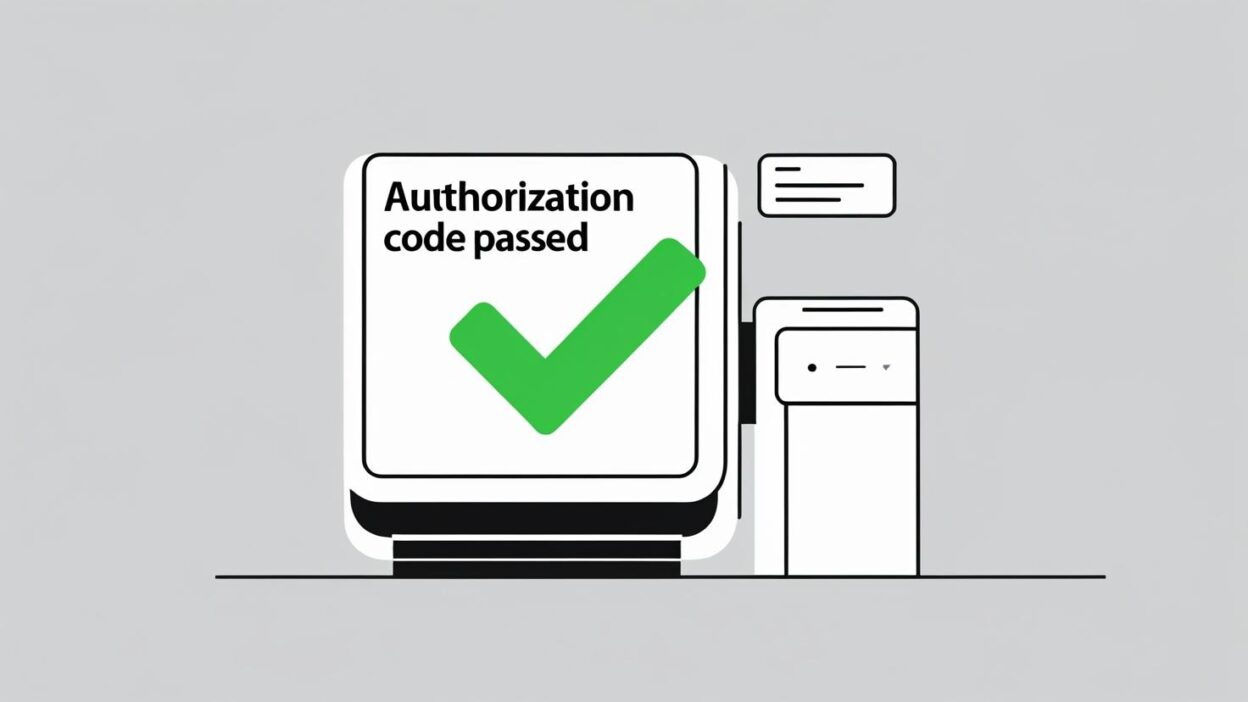
An authorization code—also known as an auth code or approval code—is a unique alphanumeric identifier generated by a card issuer or payment network to indicate that a transaction has been approved. It serves as a vital confirmation step during the authorization phase of card payment processing.
Typically 6 to 8 digits long, the code is shared with the merchant’s point-of-sale (POS) system or payment gateway, and may appear on printed receipts, transaction logs, or reconciliation reports.
🔄 When Is the Authorization Code Generated?
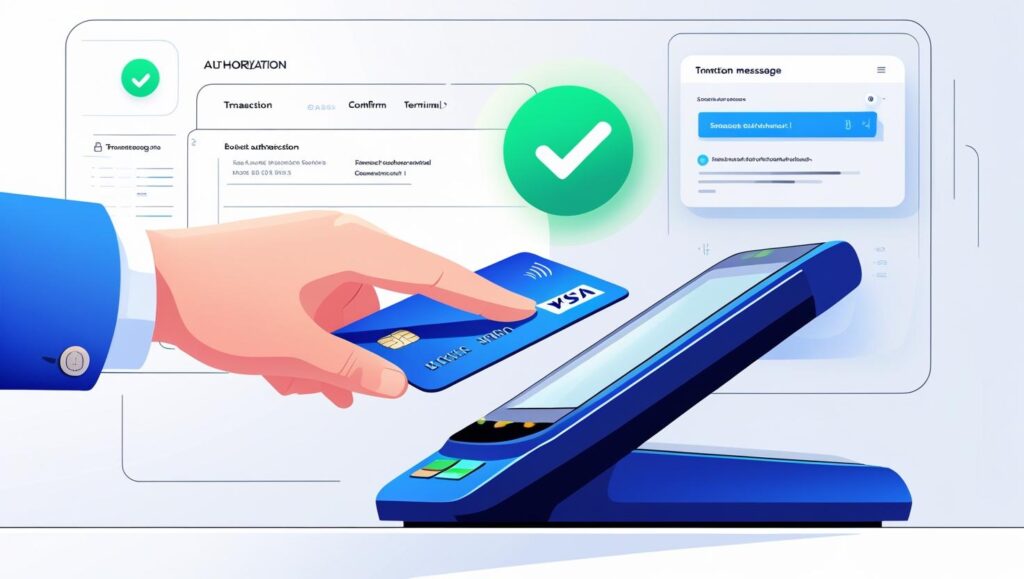
The authorization code is issued after a merchant submits a payment request to the acquirer, which then routes it to the appropriate card network (Visa, Mastercard, etc.), and finally to the issuing bank. The issuer checks for:
-
Cardholder verification
-
Available credit or funds
-
Fraud indicators
If everything checks out, the bank issues an authorization code to confirm approval. If declined, no code is generated.
🔍 Where Is It Used?
Authorization codes play a key role in card-present and card-not-present transactions, including:
-
In-store POS terminals
-
Online e-commerce platforms
-
Mobile payment apps
-
Subscription billing systems
They are especially important in delayed capture scenarios, where authorization and fund settlement happen at different times (e.g., hotel check-ins, car rentals).
💼 Why Is It Important?
Here’s why the authorization code is essential:
✅ Proof of Approval
Acts as an official record that the card issuer approved the transaction at a specific time.
🔐 Dispute Resolution
Helps merchants in the case of chargebacks or disputes. A valid auth code can support evidence that the transaction was properly authorized.
📊 Reconciliation & Reporting
Used in daily settlement, batch processing, and by accountants to verify transaction statuses.
💳 Fraud Prevention
🔎 Common Formats & Appearance
Authorization codes can look like:
-
A765D9 -
894512 -
Z1X9Y7
They are typically included in:
-
Merchant receipts
-
Settlement reports
-
Payment gateway dashboards
-
API response payloads from PSPs
🧠 What Happens Without It?
If a transaction doesn’t receive an authorization code, it is considered declined. Attempting to force settlement without one can:
-
Violate PCI DSS compliance
-
Trigger automatic reversals
-
Lead to chargebacks or merchant penalties
🔧 How Buvei Handles Authorization Codes
At Buvei, our API-based aggregation platform provides merchants with full visibility into each transaction’s authorization code via real-time reporting tools. Whether you're running a cross-border store or a SaaS subscription platform, our dashboard logs every auth code for:
-
Easier reconciliation
-
Faster dispute handling
-
Enhanced payment traceability
By partnering with top acquirers and card networks, Buvei ensures compliant, traceable, and high-conversion payment experiences globally.
✅ Conclusion
The authorization code might seem like a small detail, but it plays a critical role in the integrity, traceability, and security of every card transaction. Understanding how it works—and where it fits into the broader payment lifecycle—is key for merchants, developers, and finance teams alike.
In the world of modern digital payments, mastering these core concepts is essential to ensuring efficiency, security, and compliance across all channels.