In the digital age, every online interaction contributes to your data footprint. According to Surfshark, the average smartphone user generates up to 188 data points per day, fueling a growing stream of user data collected by apps, merchants, and platforms.
While some of this data is routine and benign—like app usage or crash logs—other types are far more sensitive and require stricter protections. These are known as Protected Personal Information (PPI).
In this guide, we’ll explore:
-
The difference between personal information and protected personal information
-
Examples of PPI and the risks of exposure
-
The key U.S. laws governing data protection
-
Best practices to safeguard your information using tools like virtual cards from providers such as Buvei
What Is Personal Information (PI)?
Most data privacy laws define personal information (PI) as any information that can directly or indirectly identify an individual.
For example, under the California Consumer Privacy Act (CCPA), personal information includes data that:
“...identifies, relates to, describes, is reasonably capable of being associated with, or could reasonably be linked...with a particular consumer or household.”
Common types of personal information include:
-
Full name
-
Address
-
Email or phone number
-
Shopping history
-
Gender or birthdate
-
Credit card number
-
Employment details
What Is Protected Personal Information (PPI)?
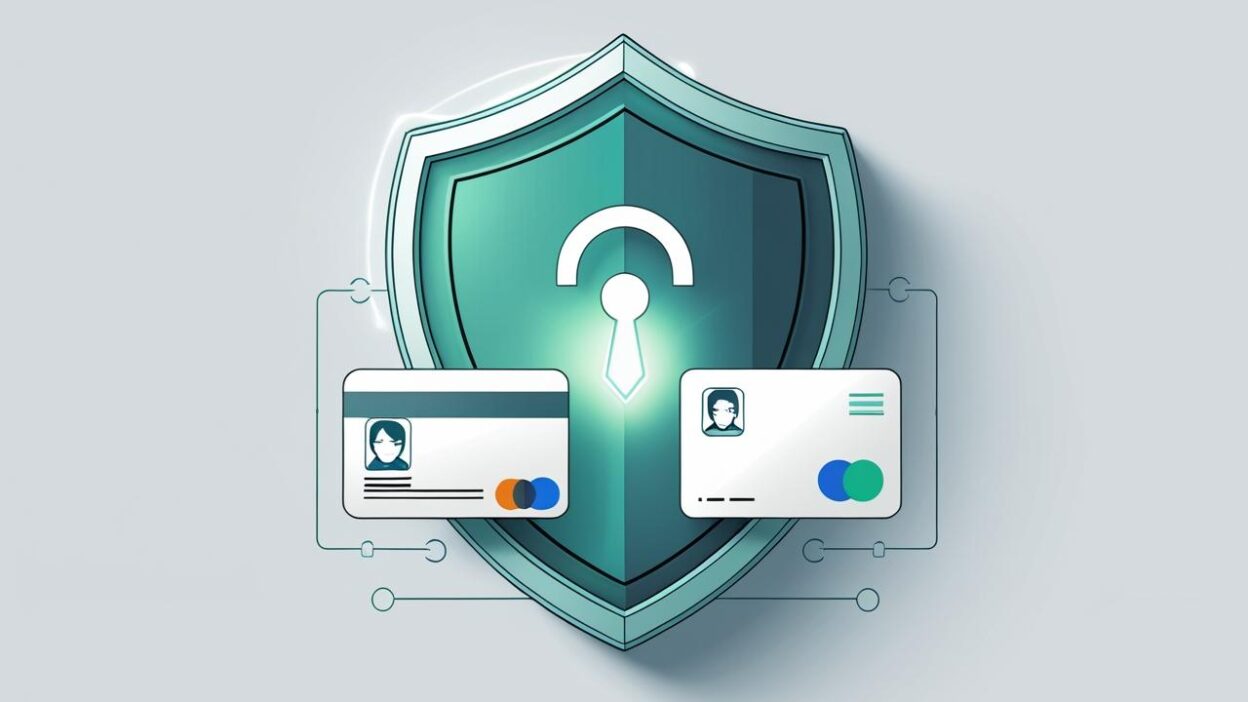
Protected Personal Information (PPI) is a subset of PI that, due to its sensitivity, is subject to stricter handling and regulatory standards. If exposed or misused, PPI can result in identity theft, financial fraud, or privacy violations.
Examples of PPI include:
-
Social Security number (SSN)
-
Driver’s license, passport, or government-issued ID numbers
-
Bank account or payment card information
-
Medical records and health data
-
Biometric data (e.g., fingerprints, facial scans)
-
Academic transcripts
🛡️ PPI + Public Breach = Risk Unlike basic PI, the exposure of PPI often requires breach reporting under federal or state laws and can trigger lawsuits, fines, or identity monitoring requirements for businesses.
What Laws Protect Your PPI in the U.S.?
While there’s no single unified privacy law in the U.S., several sector-specific and state-level laws govern the collection, storage, and sharing of PPI:
| Law | Applies To | Protects |
| HIPAA | Healthcare providers & insurers | Medical records and patient data |
| GLBA | Financial institutions | Banking, loans, and credit report data |
| COPPA | Online services for children under 13 | Personal data of minors |
| FERPA | Educational institutions | Student records and grades |
| CCPA / CPA / VCDPA | California, Colorado, Virginia | Consumer data rights, opt-outs, security obligations |
📌 Bonus Tip: Several states now grant consumers the right to access, delete, or restrict the use of their PPI—an important trend for data-conscious users and businesses alike.
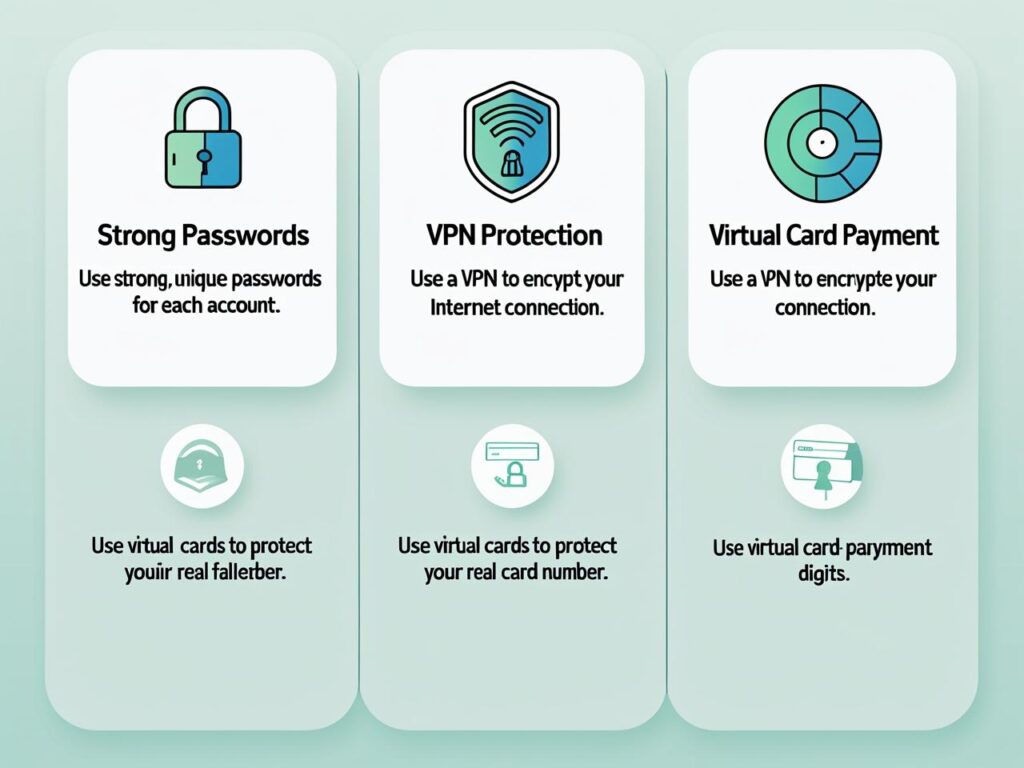
How to Protect Your PPI: 3 Smart Strategies
Even with legal safeguards in place, the first line of defense is you. Here are practical, proven strategies to reduce your exposure:
✅ 1. Use Strong, Unique Passwords
-
Avoid password reuse across services.
-
Use password managers like 1Password, Bitwarden, or Norton Password Manager.
✅ 2. Encrypt Your Online Traffic with a VPN
-
VPNs (e.g., Proton VPN, Malwarebytes VPN) protect you from snooping on public Wi-Fi.
-
They mask your IP address, location, and traffic behavior.
✅ 3. Pay with Virtual Cards for Extra Protection
Instead of entering your real credit card number into every website, use a virtual card — a randomly generated card number tied to your real account but protected by spending controls and merchant-specific limits.
🛡️ Buvei Virtual Cards offer advanced card-level security with:
-
Merchant locking
-
One-time-use options
-
Spend caps per transaction or per month
-
Global availability for personal, business, and ad spend use
💡 With Buvei, your real payment info stays protected—even if the merchant is breached.
Why PPI Protection Matters More Than Ever
From e-commerce checkouts to ad platforms, your data travels fast—and far. In 2025 and beyond, managing your digital exposure is no longer just about privacy—it's about preventing loss, fraud, and reputation damage.
If you're a freelancer, digital creator, advertiser, or entrepreneur, PPI exposure can jeopardize not just your security, but also your business operations. Investing in better privacy tools—like VPNs, password managers, and virtual cards from Buvei—is a smart, scalable step toward peace of mind.