Online payments have become an essential part of modern life. From shopping and subscription services to digital advertising and international business operations, payment cards are used every day across the globe.
However, traditional physical cards are not always the most convenient solution for the digital economy. Managing multiple online services, protecting payment information, and making international transactions can create challenges for both individuals and businesses.
This is where virtual cards have become increasingly popular.
A virtual card provides a flexible, secure, and efficient way to make online payments without requiring a physical card. Today, virtual cards are widely used for subscriptions, SaaS platforms, advertising payments, travel bookings, and business expense management.
What Is a Virtual Card?
A virtual card is a digital payment card that exists electronically rather than as a physical plastic card.
Like a traditional bank card, a virtual card usually contains:
- Card number
- Expiration date
- CVV/security code
- Cardholder information
The difference is that the card details are generated and managed online, allowing users to complete digital transactions without carrying a physical card.
Virtual cards can be issued as:
- Virtual debit cards
- Virtual prepaid cards
- Virtual corporate cards
- Single-use virtual cards
- Multi-use virtual payment cards
Depending on the provider, users can create multiple virtual cards for different purposes and manage them through an online platform.
How Do Virtual Cards Work?
The process of using a virtual card is simple:
1. Create a Virtual Card
Users can generate a virtual card through a digital payment platform. The card information is created instantly and becomes available online.
2. Add Funds or Connect Payment Sources
Depending on the card type, users may load funds onto the card or connect it with an available payment balance.
3. Use the Card for Online Payments
The virtual card can be used anywhere that accepts card payments, including:
- Online stores
- Subscription platforms
- Software services
- Advertising platforms
- Travel websites
4. Manage Transactions Digitally
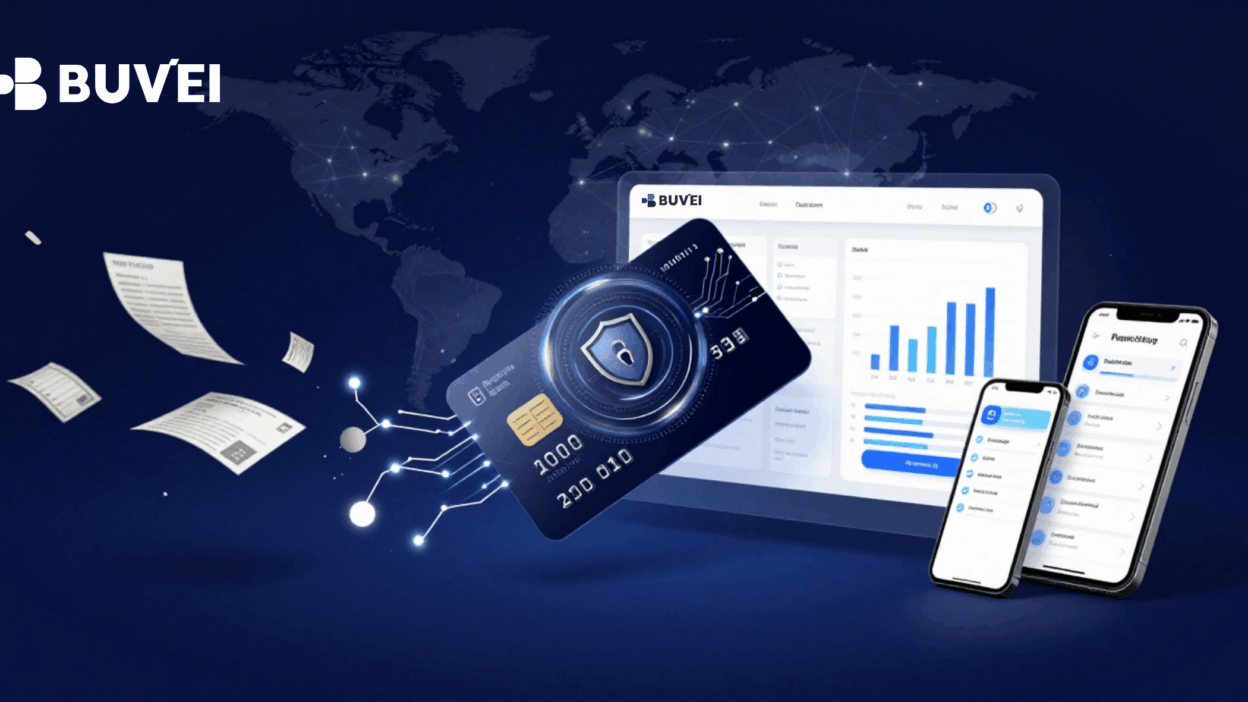
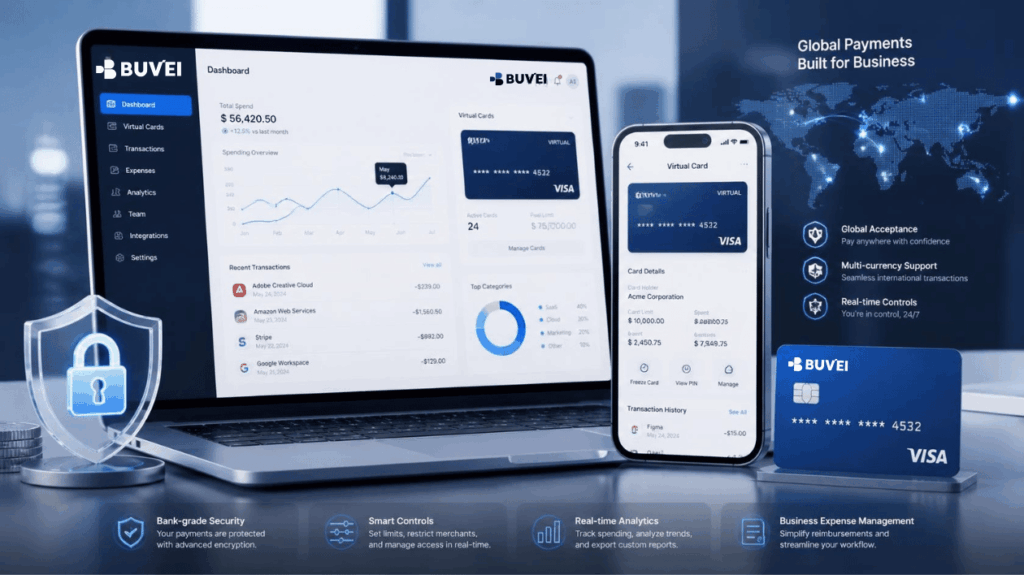
Users can monitor spending, freeze cards, create new cards, or manage payment limits directly through an online dashboard.
Virtual Card vs Physical Card: What Is the Difference?
Although virtual cards and physical cards share similar payment functions, they serve different purposes.
| Feature | Virtual Card | Physical Card |
|---|---|---|
| Physical form | Digital only | Plastic card |
| Online payments | Excellent | Available |
| Instant creation | Usually immediate | Requires delivery |
| Security control | Higher flexibility | Limited |
| Multiple cards | Easy to create | Usually limited |
| Business expense management | Convenient | More complicated |
For digital-first users and companies, virtual cards provide greater flexibility and control.
Why Are Virtual Cards Becoming More Popular?
1. Enhanced Online Payment Security
One of the biggest advantages of virtual cards is improved payment security.
Because virtual cards do not require users to share their primary payment card details, they can reduce exposure during online transactions.
Many virtual card providers also offer features such as:
- Spending limits
- Card freezing
- Transaction monitoring
- Separate cards for different services
These features help users better control their payment activity.
2. Easier Subscription Management
Modern businesses and individuals often use many online subscriptions, including:
- AI tools
- Cloud services
- Marketing platforms
- Design software
- Productivity applications
Using a virtual card for each service makes it easier to track expenses and manage recurring payments.
Instead of connecting one main card to multiple platforms, users can separate payments and organize spending more efficiently.
3. Better Solution for Global Payments
International payments can sometimes be complicated due to:
- Currency differences
- Regional restrictions
- Payment verification requirements
- Limited card availability
Virtual cards provide a convenient payment option for users who need access to global digital services.
They are commonly used for:
- International software subscriptions
- Online advertising
- Remote work tools
- Travel services
4. Improved Business Expense Management
Businesses often need multiple payment methods for different teams, departments, or projects.
Virtual corporate cards allow companies to:
- Create separate payment cards
- Set spending limits
- Track employee expenses
- Reduce administrative work
This makes financial management more transparent and efficient.
Common Uses of Virtual Cards
Virtual cards are used in many industries and scenarios.
Digital Advertising
Businesses running online advertising campaigns often need multiple payment methods for different accounts and campaigns.
Virtual cards help companies organize advertising expenses and manage payments more efficiently.
SaaS and AI Tools
Companies increasingly rely on online services such as:
- AI platforms
- Cloud software
- Business automation tools
- Analytics solutions
Virtual cards provide a convenient way to manage these recurring payments.
Travel and International Services
Travelers and international users may use virtual cards for:
- Hotel bookings
- Online reservations
- International purchases
- Digital services abroad
Freelancers and Remote Workers
Freelancers often work with global platforms and international clients.
Virtual cards can help them access online tools and manage business expenses more easily.
Are Virtual Cards Safe?
Virtual cards can provide strong security benefits when used correctly.
Important security features may include:
- Card controls
- Transaction notifications
- Spending limits
- Digital management tools
However, users should always choose reliable providers and follow basic security practices:
- Protect login information
- Avoid sharing card details
- Monitor transactions regularly
- Use trusted payment platforms
How Businesses Can Benefit From Virtual Cards
For modern businesses, payment flexibility is becoming increasingly important.
Virtual cards help companies:
Reduce Payment Risks
Separate cards can limit exposure and simplify expense tracking.
Increase Operational Efficiency
Teams can manage payments without relying on one physical corporate card.
Simplify Global Transactions
Businesses working internationally can access more flexible payment options.
Improve Financial Visibility
Digital dashboards make expense monitoring easier.
How to Choose the Right Virtual Card Provider?
Before choosing a virtual card provider, consider:
Supported Payment Networks
Check whether the provider supports major networks such as Visa or Mastercard.
Geographic Availability
Make sure the service supports your country and intended payment locations.
Security Features
Look for providers offering account protection, transaction monitoring, and card controls.
Business Features
For companies, useful features include:
- Multiple cards
- Expense management
- Team access
- Payment tracking
Buvei: A Flexible Solution for Digital Payments
As online transactions continue to grow, businesses and individuals need payment solutions that are secure, flexible, and easy to manage.
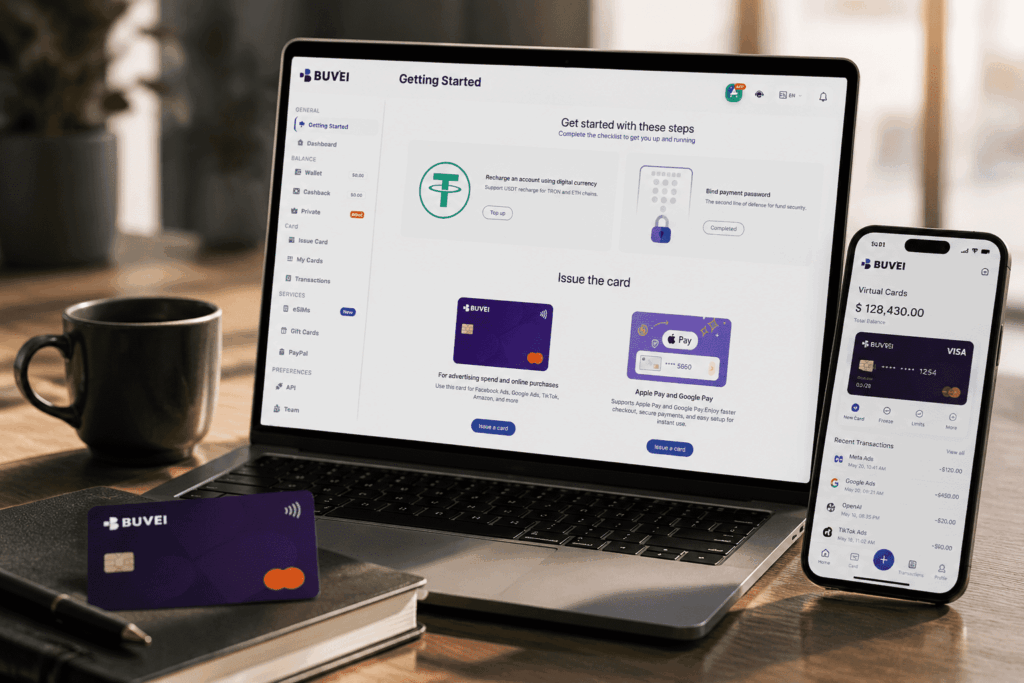
Buvei provides virtual card solutions designed for modern digital payment needs, helping users access global payment services, manage online expenses, and simplify transactions.
Whether you need virtual cards for subscriptions, business payments, digital services, or international transactions, Buvei provides a convenient way to manage your online payments.
Frequently Asked Questions (FAQ)
What is a virtual card?
A virtual card is a digital payment card that allows users to make online transactions without using a physical card.
Can I use a virtual card for subscriptions?
Yes. Virtual cards are commonly used for recurring payments such as software subscriptions, AI tools, and online services.
Are virtual cards accepted everywhere?
Virtual card acceptance depends on the merchant and payment network, but many online businesses accept virtual Visa and Mastercard payments.
Can businesses use virtual cards?
Yes. Many companies use virtual cards for employee expenses, online services, advertising payments, and financial management.
Are virtual cards safer than physical cards?
Virtual cards can offer additional security features, such as spending controls and separate payment details, which may reduce payment risks.
Conclusion
The growth of digital commerce has changed the way people and businesses manage payments. Virtual cards provide a modern alternative to traditional payment methods by offering greater flexibility, security, and control.
From managing subscriptions to supporting international business operations, virtual cards are becoming an important tool in the global digital economy.
As more companies and individuals move online, virtual payment solutions like Buvei help make digital transactions simpler, faster, and more efficient.