


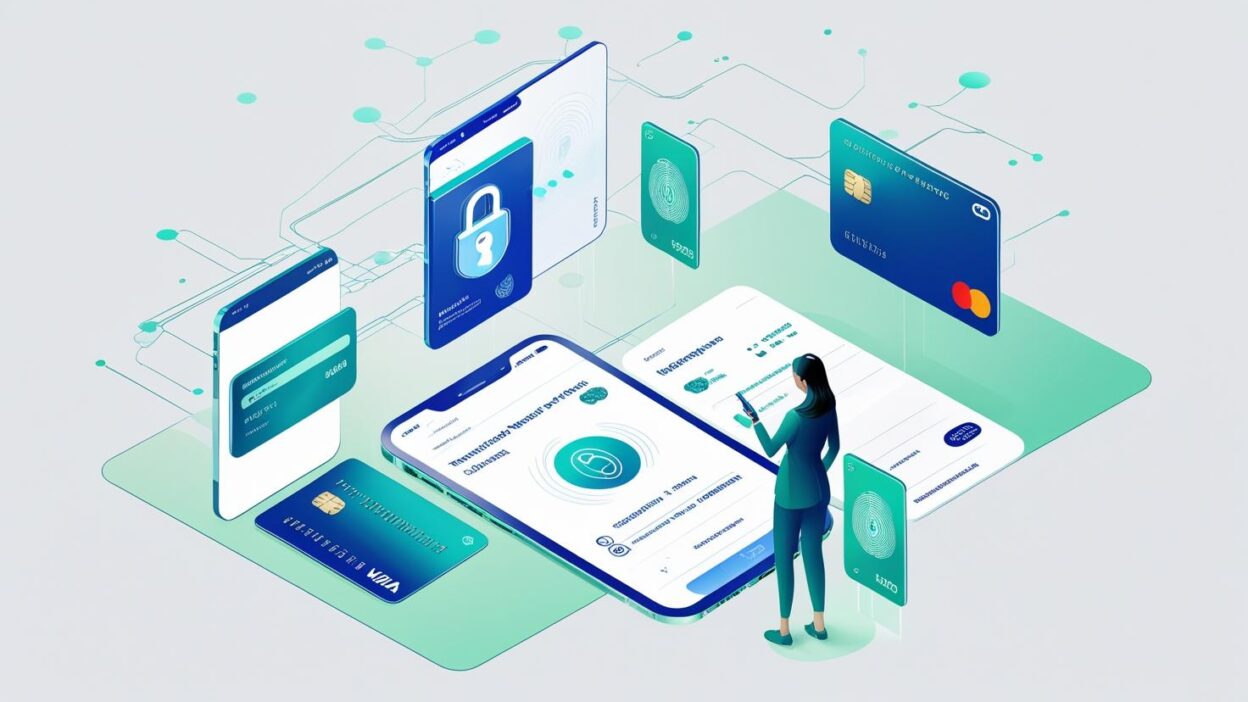
As the digital economy continues to grow, payment security has become one of the most critical issues for both businesses and consumers. With rising cases of online fraud, identity theft, and data breaches, traditional plastic cards are no longer enough to safeguard financial transactions. This is where virtual cards and digital identity authentication play a vital role.
Virtual cards, which generate temporary card numbers for online transactions, offer an extra layer of protection against fraud. Combined with robust digital identity verification methods, they represent the future of secure payments. In this article, we will explore how virtual cards ensure payment security, the role of digital identity, relevant global policies, and why platforms like Buvei are leading the way in providing trusted virtual card solutions.
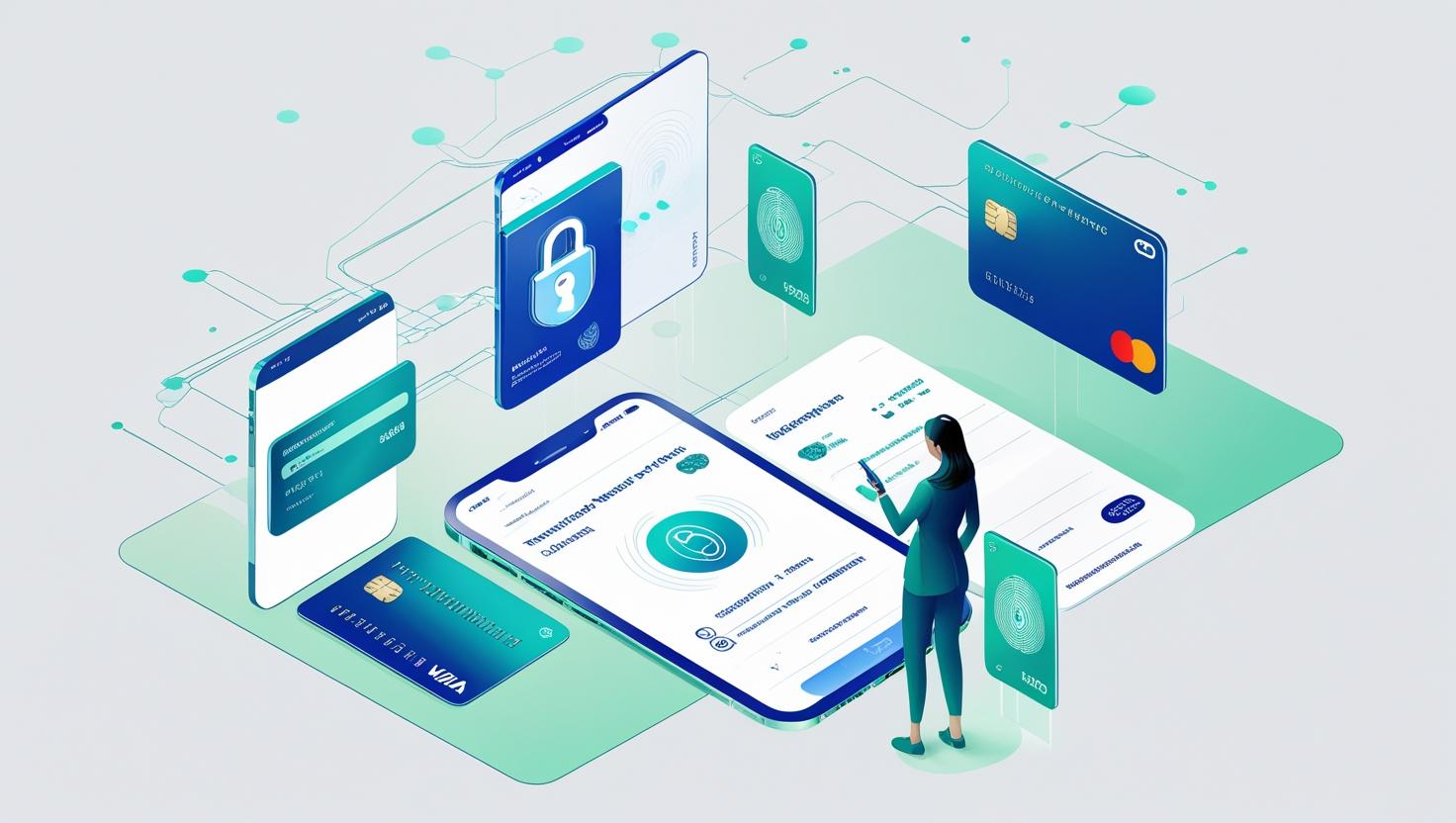
What Are Virtual Cards and Why Do They Matter?
A virtual card is a digitally issued card linked to a user’s main bank account or credit card, but it comes with a temporary or unique card number. This means:
-
Reduced fraud risk: Even if stolen, a virtual card number becomes invalid after use.
-
Better control: Users can set spending limits and expiration dates.
-
Subscription management: Easy cancellation of recurring payments without exposing primary card details.
In a world where cybercriminals increasingly target payment information, virtual cards act as a shield. They minimize exposure of sensitive financial details while ensuring smooth transactions across e-commerce platforms, subscription services, and even global marketplaces.
The Role of Digital Identity in Payment Security
While virtual cards protect financial data, digital identity verification ensures that only the rightful owner can initiate a transaction. Digital identity includes:
-
Biometric authentication (fingerprint, face ID)
-
Two-factor authentication (2FA)
-
KYC checks mandated by regulators
These measures help financial institutions and payment providers comply with global anti-money laundering (AML) and counter-terrorist financing (CTF) regulations. For example:
-
In the European Union, PSD2 and the upcoming PSD3 regulation require Strong Customer Authentication (SCA) for all digital transactions.
-
In the United States, the Federal Trade Commission (FTC) and Consumer Financial Protection Bureau (CFPB) continue to push for stricter data privacy and fraud prevention rules.
This combination of virtual card protection and verified digital identity significantly reduces the chances of fraud, chargebacks, and unauthorized transactions.
Global Policies and Their Impact on Virtual Card Adoption
Governments and regulators are increasingly prioritizing digital payment security. Some key policies include:
-
European Union : Mandating stronger authentication measures for all payment providers.
-
U.S. Payment Security Regulations: Including requirements from the CFPB and FinCEN for anti-fraud systems and AML compliance.
-
APAC Initiatives: Countries like Singapore and Hong Kong have introduced frameworks to promote digital banking with enhanced identity checks.
These frameworks not only build consumer trust but also accelerate virtual card adoption. Companies and individuals recognize that traditional cards cannot fully meet modern security challenges, making virtual cards an essential tool in future payment ecosystems.
Buvei: A Trusted Partner in Virtual Card Solutions
As businesses and individuals seek secure and efficient payment methods, Buvei emerges as a reliable solution provider. Buvei offers:
-
Instant virtual card issuance for online purchases and subscriptions.
-
Customizable spending controls, giving users the ability to set transaction limits.
-
Seamless integration with global payment networks for cross-border transactions.
-
Compliance with global standards, ensuring alignment with EU, U.S., and APAC regulations.
With BUVEI, users gain peace of mind knowing that their digital identity and payment data are fully protected. Whether you are a frequent online shopper, a business managing multiple subscriptions, or a company operating across borders, Buvei provides a future-ready payment security solution.

Conclusion
The future of secure payments lies in the synergy between virtual cards and digital identity verification. With the support of global regulatory frameworks like PSD3 in Europe and U.S. consumer protection laws, these technologies provide a robust defense against fraud and identity theft.
Platforms like Buvei are not just offering convenience—they are setting the standard for payment security in the digital age. By adopting virtual cards and embracing digital identity safeguards, both consumers and businesses can ensure that financial transactions remain secure in an increasingly digital future.