Introduction
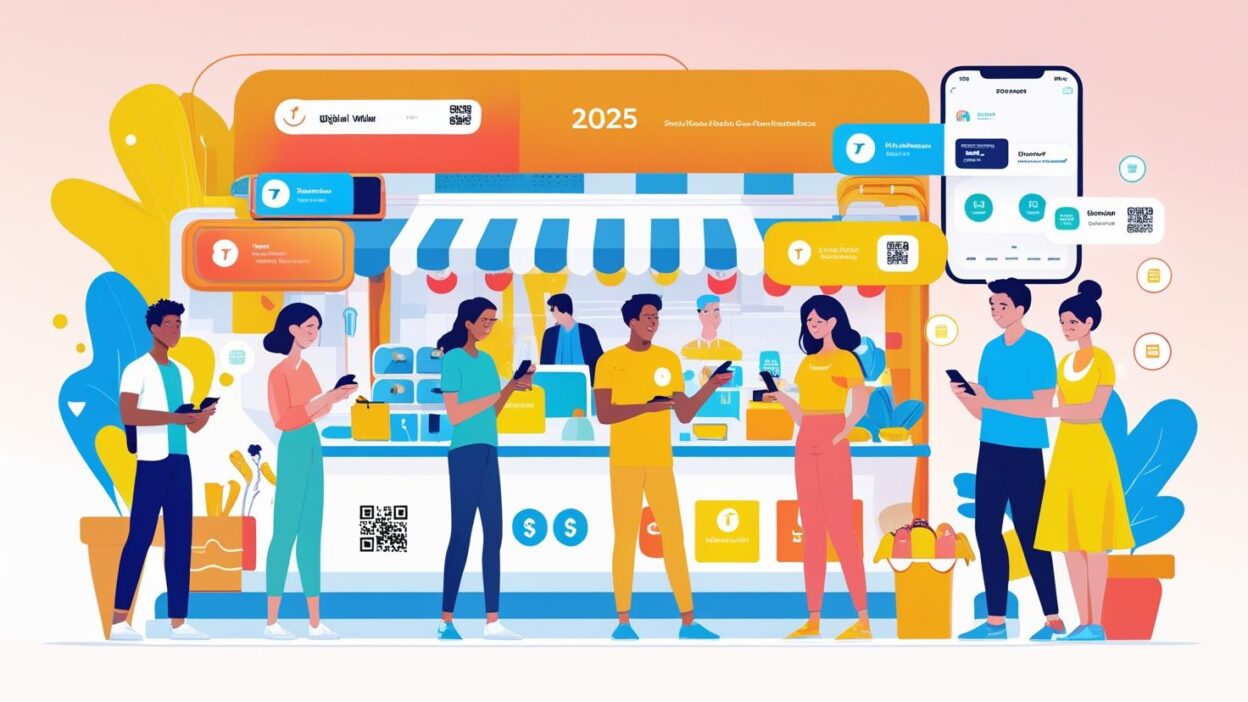
The way we pay has undergone a profound transformation over the centuries—from bartering to coins, to banknotes, to plastic cards, and now to fully digital transactions. In today’s fast-paced, digital-first economy, digital wallets are emerging as the backbone of modern payments. They offer speed, convenience, security, and a more seamless customer experience, making them central to the ongoing global shift toward cashless societies.
As both consumers and businesses demand more streamlined and secure ways to pay, digital wallets are not just convenient—they’re setting the new standard for global commerce. Policymakers are also taking note, with regulations such as PSD2 in Europe, the Federal Reserve’s payment modernization initiatives in the U.S., and data protection laws like GDPR ensuring that digital wallet providers operate within a secure and reliable framework.
Here’s how digital wallets are reshaping the payments landscape and what businesses must know to stay ahead.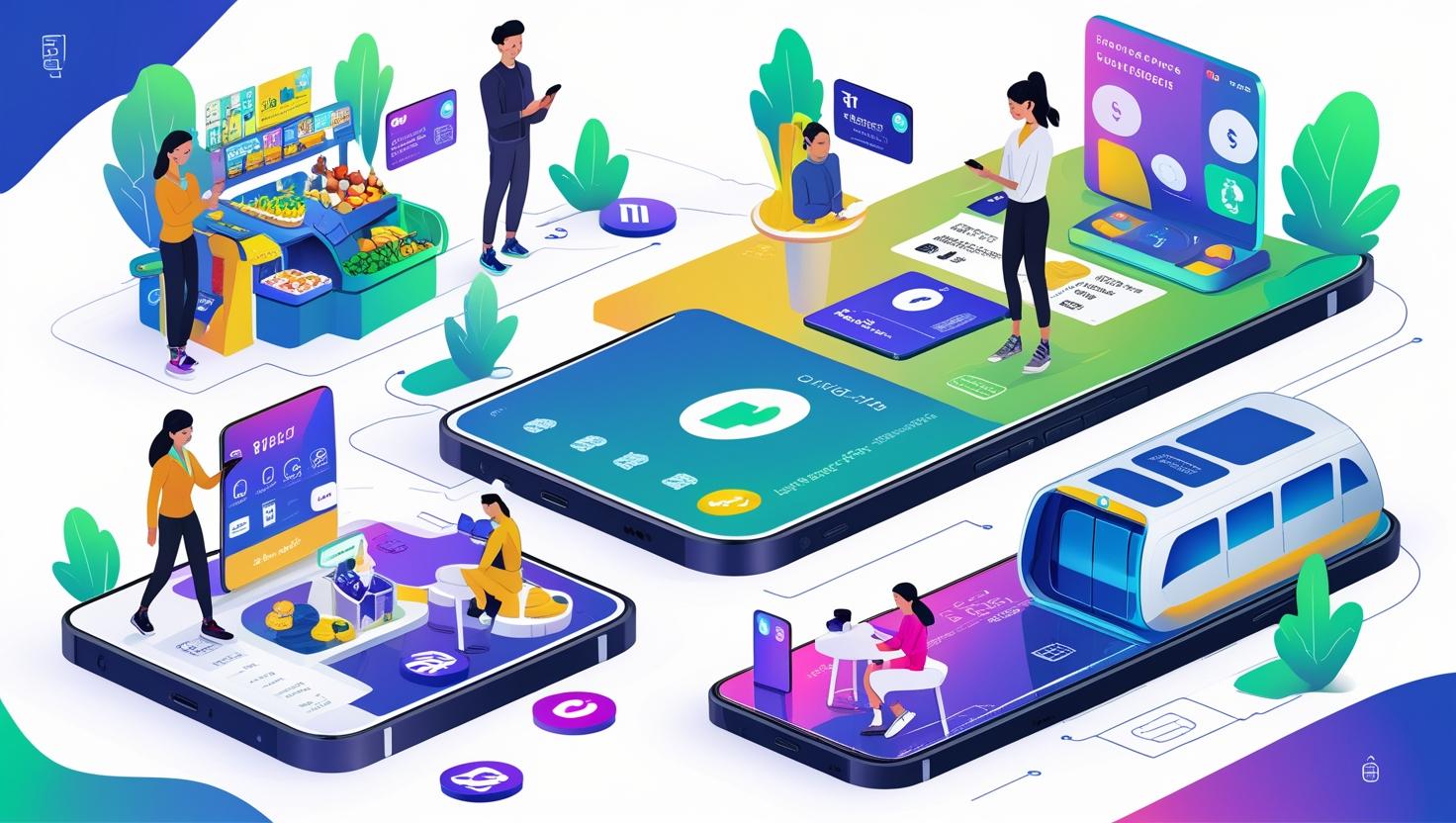
Understanding Digital Wallets
A digital wallet is a financial tool that securely stores payment credentials, enabling card-free transactions both online and offline. Unlike traditional card-based payments, digital wallets are optimized for speed, convenience, and security.
They exist in multiple forms, including:
-
Mobile wallets: Apps like Apple Pay®, Google Pay™, and Samsung Pay enable tap-to-pay transactions with smartphones and wearables.
-
Online wallets: Services such as PayPal, Venmo, and Alipay simplify online checkouts and peer-to-peer payments.
-
Crypto wallets: Designed to store digital currencies like Bitcoin and Ethereum, they are critical for blockchain-based payments.
-
Closed vs. open wallets: Closed wallets are limited to a single ecosystem (e.g., Starbucks app), while open wallets can be used across multiple merchants and industries.
With built-in features such as biometric authentication, tokenization, and real-time processing, digital wallets are not just an alternative to physical cards—they are becoming a foundation of modern financial infrastructure.
The Impact of Digital Wallets on Payment Processing
Digital wallets are redefining the payment ecosystem. Their impact spans four critical areas:
Speed and Efficiency
Digital wallets make payments faster and frictionless. Whether tapping a phone at checkout or clicking once online, they reduce transaction time and streamline the customer journey. For merchants, this leads to lower cart abandonment rates and higher conversion.
Security and Fraud Prevention
Security remains the cornerstone of payments. Digital wallets employ encryption, dynamic CVVs, tokenization, and biometric authentication, making them more secure than traditional card payments. Policies such as PCI DSS compliance and Strong Customer Authentication (SCA) requirements under PSD2 strengthen digital wallet ecosystems further.
Better Customer Experience
Consumers expect intuitive, seamless payment experiences. Digital wallets integrate with loyalty programs, rewards systems, and even subscription billing, making transactions more personalized and engaging.
Driving the Shift to Cashless Economies
Digital wallets are accelerating the move away from cash and physical cards, particularly in emerging markets where mobile adoption is high. They also support financial inclusion, enabling unbanked and underbanked populations to access digital payments without needing traditional bank accounts.
Business and Policy Implications of Digital Wallets
The adoption of digital wallets is not only a consumer trend—it has broad implications for businesses and regulators alike.
-
For businesses: Embracing digital wallet payments can reduce fraud risks, improve customer satisfaction, and expand global reach. Merchants can also benefit from tokenization and just-in-time funding models, improving liquidity and operational efficiency.
-
For regulators: Policies such as data protection rules (GDPR, CCPA) and anti-money laundering (AML) laws ensure that digital wallets operate securely. Governments worldwide are also encouraging cashless payment adoption to improve transparency and reduce the risks of untraceable transactions.
By balancing innovation with compliance, digital wallets can continue to scale responsibly while earning the trust of both businesses and consumers.
What’s Next for Digital Wallets?
The future of digital wallets extends far beyond payments. Emerging trends are set to redefine how these tools integrate into daily life:
-
More biometrics: Fingerprint, facial recognition, and even voice authentication will become standard security features.
-
Embedded finance: Wallets will expand beyond payments to include lending, savings, insurance, and investment features, turning them into all-in-one financial hubs.
-
Cross-border capabilities: With the rise of global commerce, digital wallets will enable real-time international transfers with transparent foreign exchange.
-
Wearable integrations: Payments will be embedded in watches, vehicles, and IoT devices, creating invisible but secure transaction experiences.
-
AI-powered personalization: Smart wallets will help users manage spending, track budgets, and optimize financial choices using AI-driven insights.
Policymakers will need to adapt regulations to these new realities, ensuring that innovations in biometrics, AI, and cross-border transactions align with privacy, consumer protection, and financial stability standards.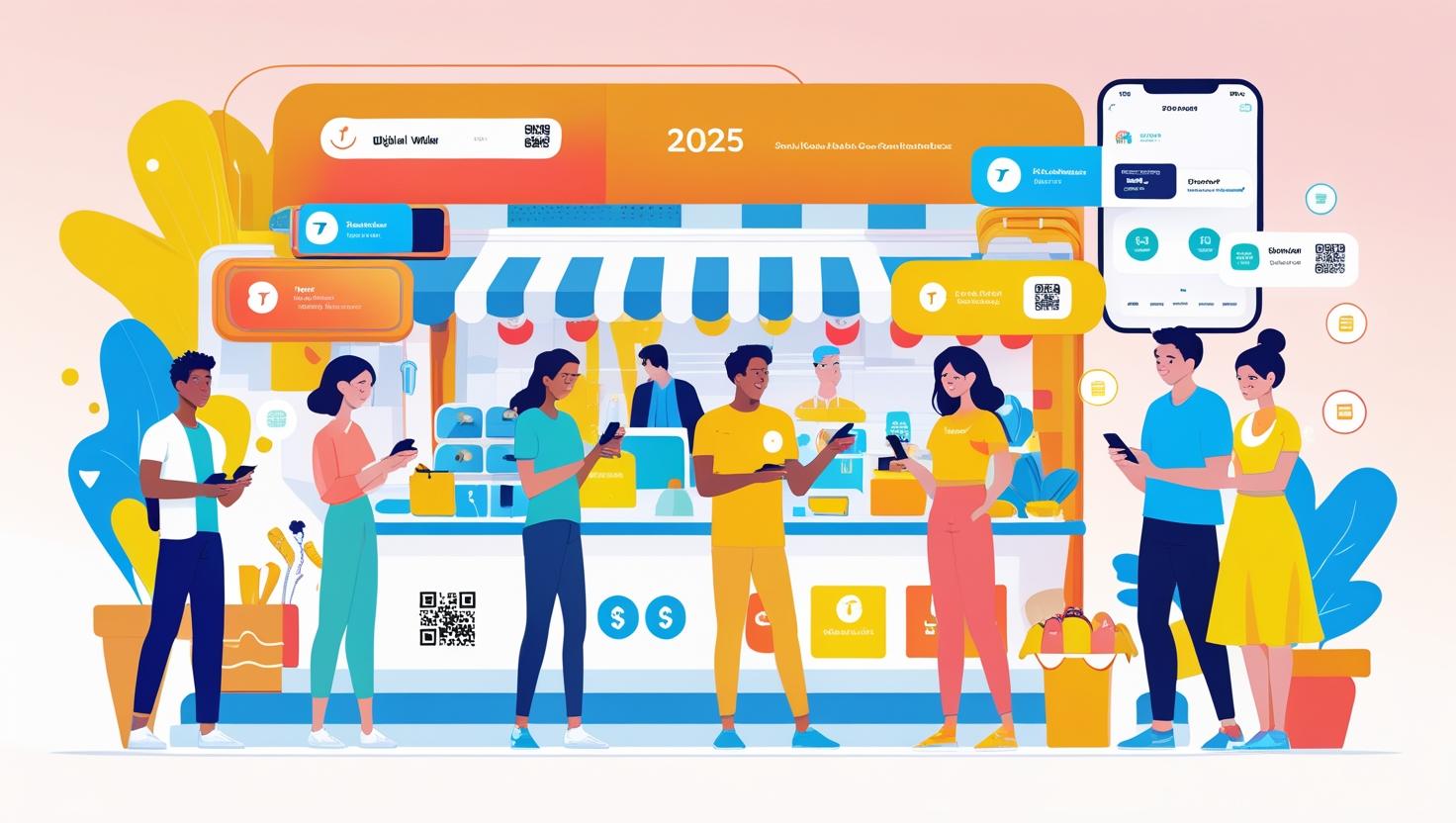
Summary
Digital wallets are transforming payments by making them faster, safer, and more intuitive. They are reshaping the way money moves, creating opportunities for businesses to deliver better customer experiences and for regulators to ensure security and inclusivity.
The transformation can be understood through four key points:
-
Understanding digital wallets: Tools that securely store credentials and enable cashless transactions.
-
The impact on payment processing: Improved speed, security, and user experience while driving the shift to cashless economies.
-
Business and policy implications: Balancing adoption with compliance and regulation to maintain trust and transparency.
-
The future of digital wallets: Integration with biometrics, embedded finance, global transactions, and AI personalization.
As the global economy becomes increasingly digital, digital wallets will no longer be optional—they will be essential. Businesses that embrace these innovations and align with regulatory frameworks will lead the way in creating trusted, seamless payment ecosystems.