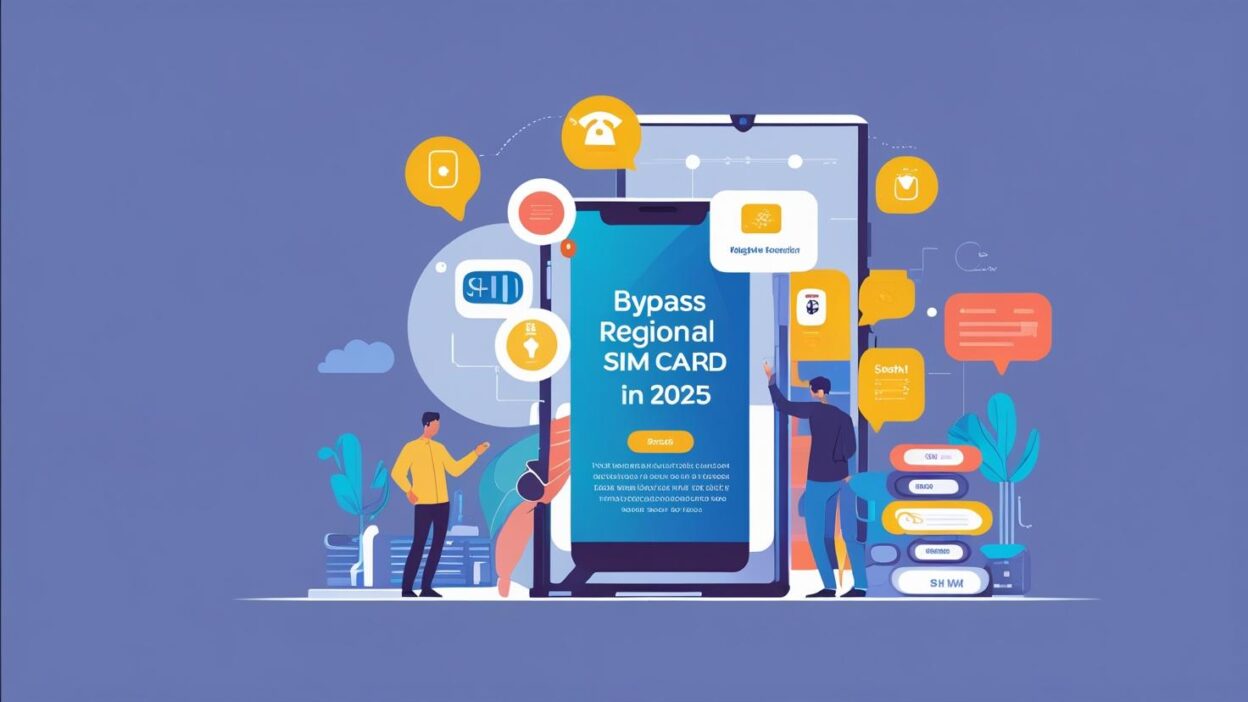
In today’s digital economy, access to global platforms, apps, and financial services is often limited by regional restrictions. Whether it’s streaming content, opening overseas bank accounts, or verifying online platforms, users frequently face geographical barriers. One effective solution that has gained traction is the use of a virtual SIM card. Unlike traditional SIM cards tied to a local telecom operator, a virtual SIM card provides global connectivity and digital verification advantages.
At the same time, cross-border payments remain another critical challenge for businesses and individuals. That is why pairing virtual SIM cards with secure payment tools like BUVEI’s virtual card solutions can create a seamless ecosystem for bypassing restrictions and ensuring smooth international operations.
Below, we break down how virtual SIM cards work, the benefits they provide, compliance considerations, and how solutions like BUVEI fit into this new landscape.
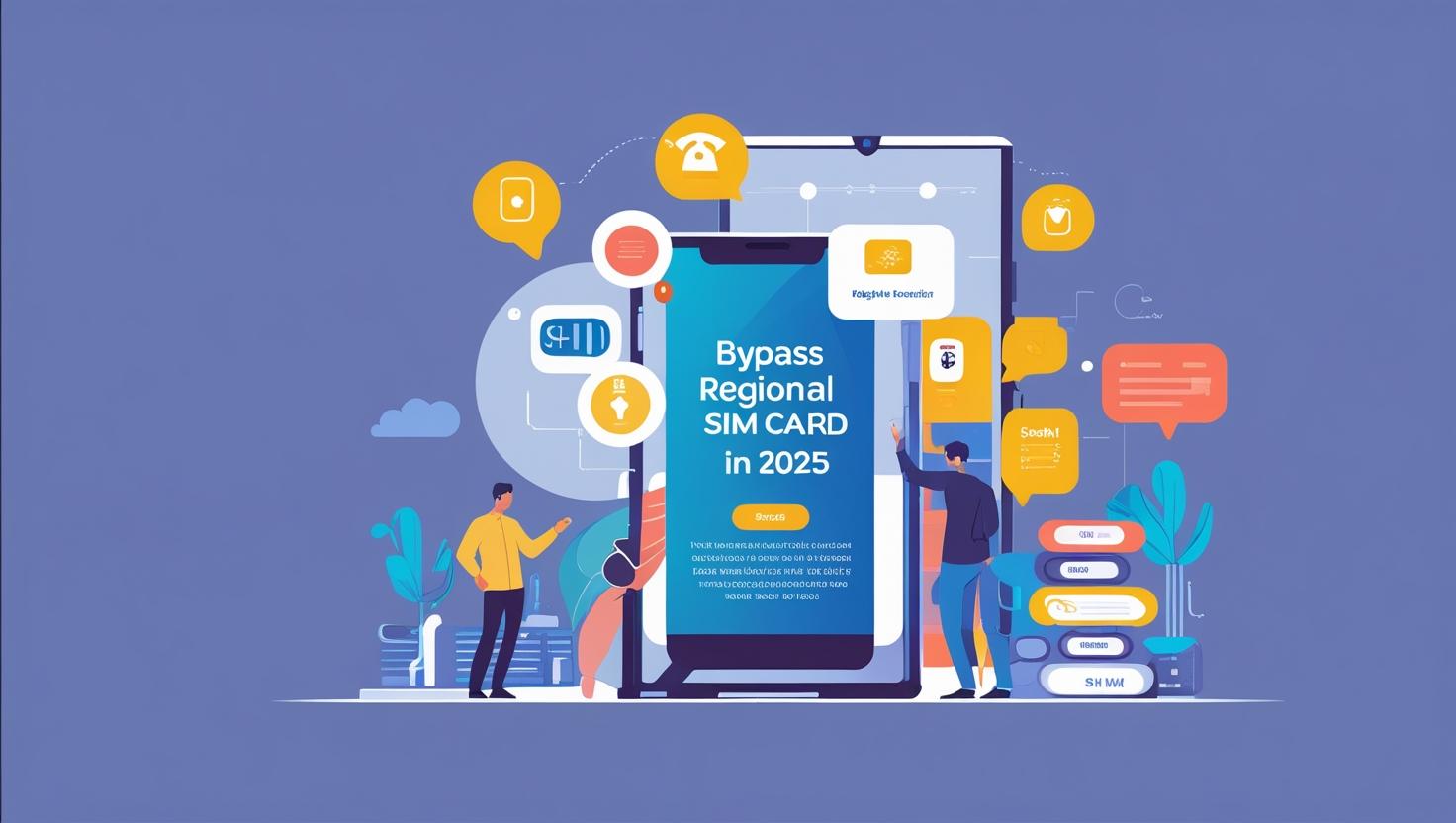
What Is a Virtual SIM Card and How Does It Work?
A virtual SIM card is a cloud-based SIM that allows users to obtain a mobile number from another country without physically inserting a SIM card. It operates through eSIM technology or app-based services, giving users access to:
-
Foreign mobile numbers for verification on apps like WhatsApp, WeChat, or online banking.
-
Roaming-free internet when traveling, with cost savings compared to traditional SIM roaming.
-
Global identity management, helping users register on platforms restricted to certain regions.
For example, if a user in mainland China needs to register a Hong Kong-only financial app, a Hong Kong virtual SIM number can complete the verification seamlessly.
Why Use Virtual SIM Cards to Bypass Regional Restrictions?
There are several scenarios where virtual SIM cards provide significant advantages:
-
Access to global streaming services: Many platforms like Netflix or BBC iPlayer limit content by geography. A virtual SIM card can assist in creating regional accounts and enabling access.
-
Opening overseas accounts: Banks, exchanges, or e-commerce platforms often require a local mobile number. Virtual SIMs bridge this gap.
-
Business expansion: Companies scaling into new regions can instantly acquire local numbers without physical infrastructure.
-
Secure communication: For users who need privacy or temporary numbers for sign-ups, virtual SIMs add an extra security layer.
This makes virtual SIM cards not just a consumer tool, but also a business enabler in the global market.
Policy and Compliance Considerations
While virtual SIM cards offer flexibility, users must understand related telecommunications and compliance regulations. In markets like the EU and US, digital identity and SIM registration rules are increasingly strict under frameworks such as:
-
EU eIDAS Regulation: Governs electronic identification and trust services, impacting how SIM-related services authenticate users.
-
US FCC Rules: Protect users against SIM swap fraud and require telecom providers to enhance verification.
-
China’s Real-Name Registration Policy: Requires that all SIM services, including virtual ones, be linked to verified personal information.
This means users should carefully select providers that comply with local telecom regulations. Failure to do so may risk account suspension or regulatory issues.
Virtual SIMs + BUVEI Virtual Cards: A Complete Solution
While virtual SIM cards solve the problem of cross-border identity and communication, the next step is enabling secure international payments. This is where BUVEI’s virtual card platform comes into play.
-
Cross-border flexibility: BUVEI provides multi-currency virtual cards that can be used for subscriptions, e-commerce, and international transactions.
-
Enhanced security: Just like virtual SIMs protect your number, BUVEI virtual cards protect financial data by generating unique card numbers for each transaction.
-
Business advantage: For enterprises expanding overseas, using a combination of virtual SIM cards for verification and BUVEI cards for payments creates a one-stop compliance-friendly solution.
Together, virtual SIMs and BUVEI’s payment tools offer businesses and individuals the dual benefits of unrestricted access and secure transactions in the global marketplace.
Conclusion
In an interconnected world, bypassing regional restrictions is no longer just about streaming entertainment—it’s also about global business, banking, and secure identity management. Virtual SIM cards provide a legal and efficient way to overcome geographical barriers, while BUVEI’s virtual card solutions ensure safe, compliant, and convenient international payments.
By combining these two tools, individuals and businesses can build a truly borderless digital presence. As policies continue to evolve in 2025, choosing trusted and compliant partners like BUVEI is the key to sustainable global expansion.