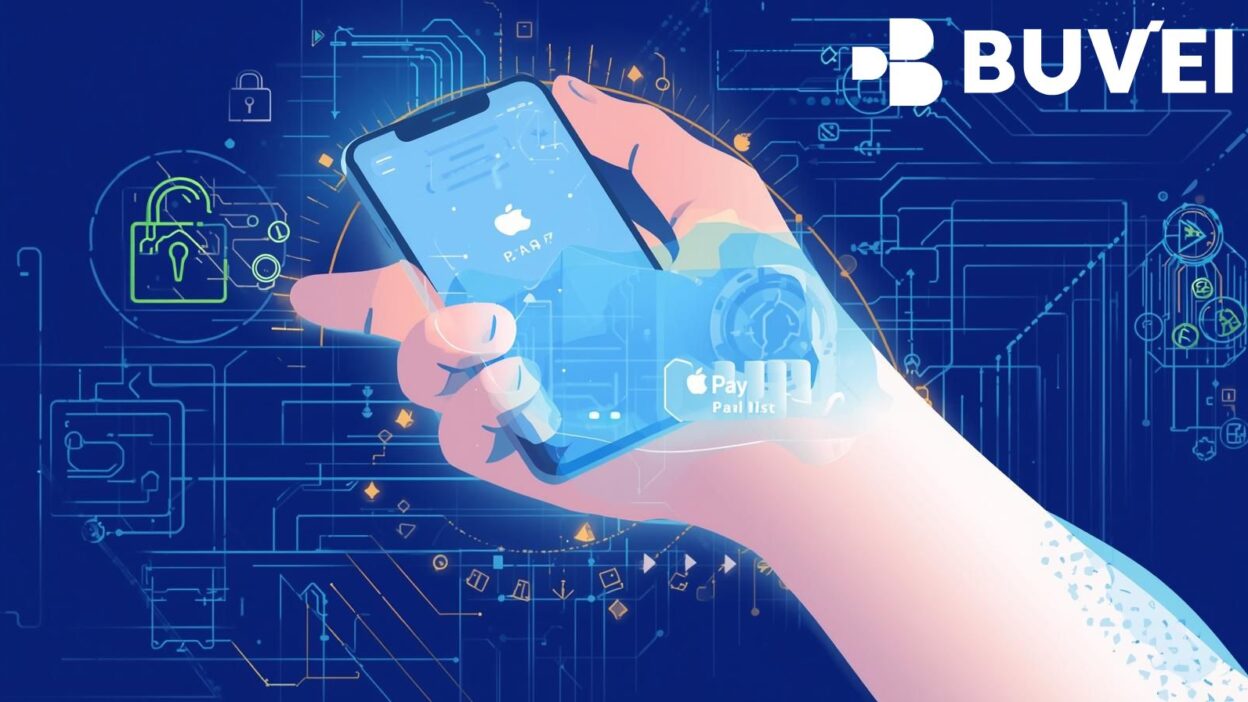
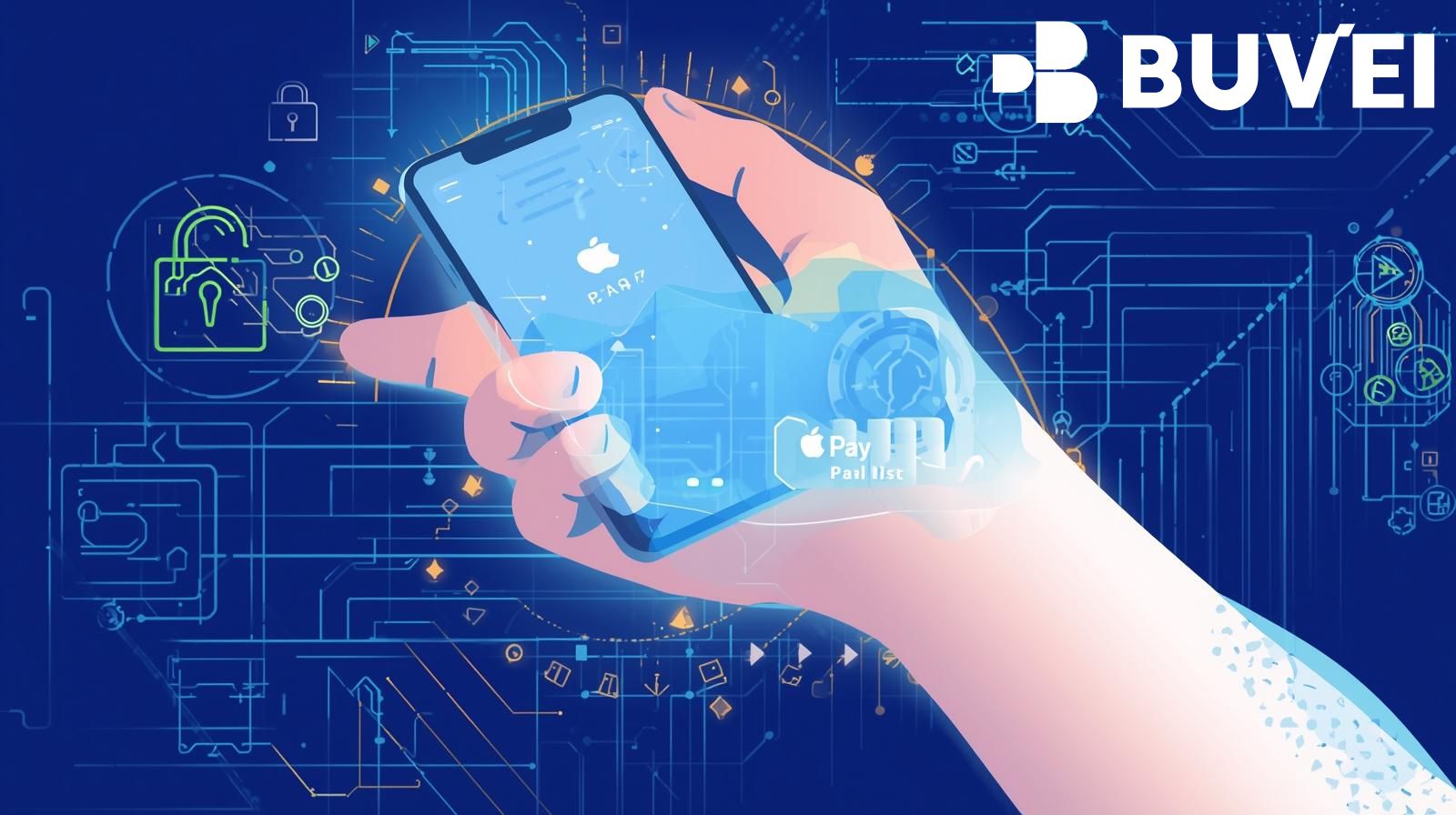
Apple Pay is widely known for its strong privacy-first design. But as mobile payments grow and online fraud becomes more sophisticated, using virtual cards inside Apple Pay has become one of the most effective ways to further reduce payment risks.
For users who value privacy, security, and spending control, combining Apple Pay with virtual cards offers an extra layer of protection that traditional cards simply can’t match.

How Apple Pay Protects User Privacy by Design
Apple Pay was built with privacy at its core. Unlike traditional card payments:
-
Your real card number is never shared with merchants
-
Transactions use tokenized device-specific numbers
-
Apple does not track what you buy or where you shop
Instead of transmitting your actual card details, Apple Pay replaces them with a unique token, ensuring merchants never see sensitive banking information.
What Virtual Cards Mean Inside Apple Pay
A virtual card is a digital-only card with its own card number, expiration date, and CVV. When added to Apple Pay:
-
Your real bank card stays hidden
-
Each virtual card acts as a separate payment identity
-
Spending limits can be set per card
In simple terms, Apple Pay protects how your card is used, while virtual cards protect what card data is exposed.
How Virtual Cards Reduce Fraud and Data Exposure
Using Apple Pay virtual cards significantly lowers risk in several ways:
-
If a merchant database is breached, only the virtual card is exposed
-
Compromised cards can be frozen or deleted instantly
-
Fraud impact is limited to a single card, not your entire account
-
No direct link to your main bank or credit line
This layered approach makes unauthorized transactions far easier to contain.
Real-World Privacy Risks Without Virtual Cards
Without virtual cards, users face risks such as:
-
Card details reused across multiple merchants
-
Subscription platforms storing long-term card data
-
Cross-border merchants with weak security standards
-
Limited control over recurring charges
Once a physical card is compromised, it often requires a full replacement—causing disruptions across all linked services.
Using Virtual Cards with Apple Pay for Better Control
By pairing virtual cards with Apple Pay, users gain:
-
Granular spending control (per card, per service)
-
Easy separation between subscriptions, shopping, and travel
-
Instant cancellation without affecting other payments
-
Clear transaction visibility
This setup is ideal for subscriptions, online shopping, international payments, and shared devices.
Final Thoughts
Apple Pay already offers strong privacy protection—but pairing it with virtual cards takes payment security to the next level. With better control, reduced fraud exposure, and flexible card management, virtual cards are becoming the smart choice for privacy-conscious users.
Using Buvei virtual cards with Apple Pay allows you to enjoy fast, contactless payments without exposing your real financial information—giving you peace of mind in an increasingly digital payment world.