The Middle East has become a fast-growing hub for online shopping, streaming services, SaaS tools, travel bookings, and crypto platforms. However, many users still struggle with card declines, regional restrictions, and limited payment compatibility.
This is why more individuals and businesses are asking: which virtual cards actually work in the Middle East?
In this guide, we’ll explain why virtual cards are popular in the region, common payment challenges, which types of virtual cards work best across Middle Eastern countries, and how to create and use a virtual card with Buvei.

Why Virtual Cards Are Popular in the Middle East
Virtual cards are widely adopted across the Middle East due to their flexibility and security, especially for international online payments.
Key reasons include:
-
Higher acceptance rates for global platforms
-
Better control over spending, with adjustable limits
-
Improved security, as virtual cards don’t expose primary bank details
-
Convenience for subscriptions, ads, SaaS tools, and e-commerce
For users in countries like the UAE, Saudi Arabia, Qatar, Kuwait, and Bahrain, virtual cards offer a practical alternative when traditional cards fail.
Payment Challenges in Middle Eastern Countries
Despite strong digital growth, payment barriers still exist across the region. Common challenges include:
-
Card declines on international websites
-
Restrictions on foreign currency transactions
-
Limited support for recurring or subscription payments
-
Bank blocks on high-risk categories such as crypto or ads
-
Inconsistent acceptance across platforms and countries
These issues make it difficult to rely solely on local debit or credit cards for global online payments.
Virtual Cards That Work Across the Middle East
Not all virtual cards are suitable for Middle Eastern users. The most reliable options share a few common characteristics.
Virtual cards that work well across the region typically:
-
Are issued on Visa or Mastercard networks
-
Support international online payments
-
Allow multi-currency transactions
-
Are compatible with global platforms such as Amazon, Netflix, Google, Meta, and SaaS tools
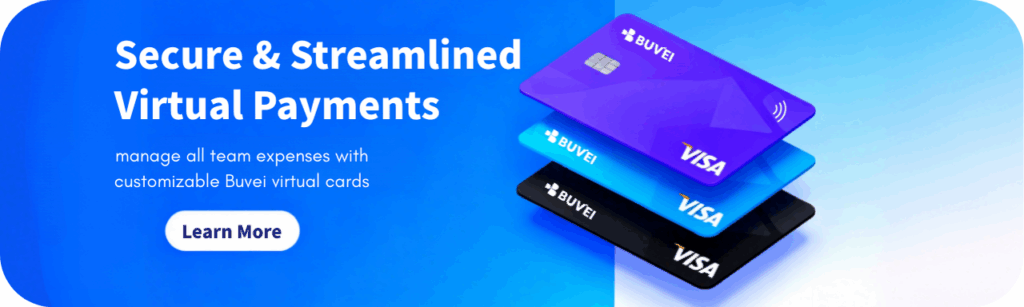
Buvei Virtual Cards
Buvei virtual cards are designed for international online payments and are widely used for e-commerce, subscriptions, ads, and digital services.
They are suitable for users across the Middle East who need:
-
Stable online payment acceptance
-
Easy card creation and management
-
Spending limits for better control
-
Secure payments without relying on local banks
Key Features to Look for in a Virtual Card
When choosing a virtual card for use in the Middle East, prioritize these features:
International Compatibility
The card should work on global platforms and support cross-border payments.
Multi-Currency Support
Paying in USD, EUR, or other foreign currencies helps reduce declines and conversion issues.
Spending Controls
The ability to set daily, monthly, or per-transaction limits improves budgeting and security.
Security and Card Management
Instant card freezing, cancellation, and transaction notifications are essential for fraud prevention.
Fast Issuance
Instant or same-day card creation ensures you can pay without delays.

How to Create and Use a Virtual Card with Buvei
Getting started with Buvei is simple and efficient:
-
Register for a Buvei account
-
Complete basic verification
-
Access the virtual card dashboard
-
Create a virtual card instantly
-
Set spending limits and currency preferences
-
Use the card for online payments across Middle Eastern and international platforms
Buvei allows users to manage multiple virtual cards from one dashboard, making it easy to separate spending by platform, purpose, or region.
Final Thoughts
Virtual cards have become an essential payment tool across the Middle East. They help users overcome regional payment restrictions, improve security, and gain better control over online spending.
If you’re looking for a reliable solution, Buvei virtual cards offer strong international compatibility, flexible management, and secure online payments — making them a practical choice for users across the Middle East.