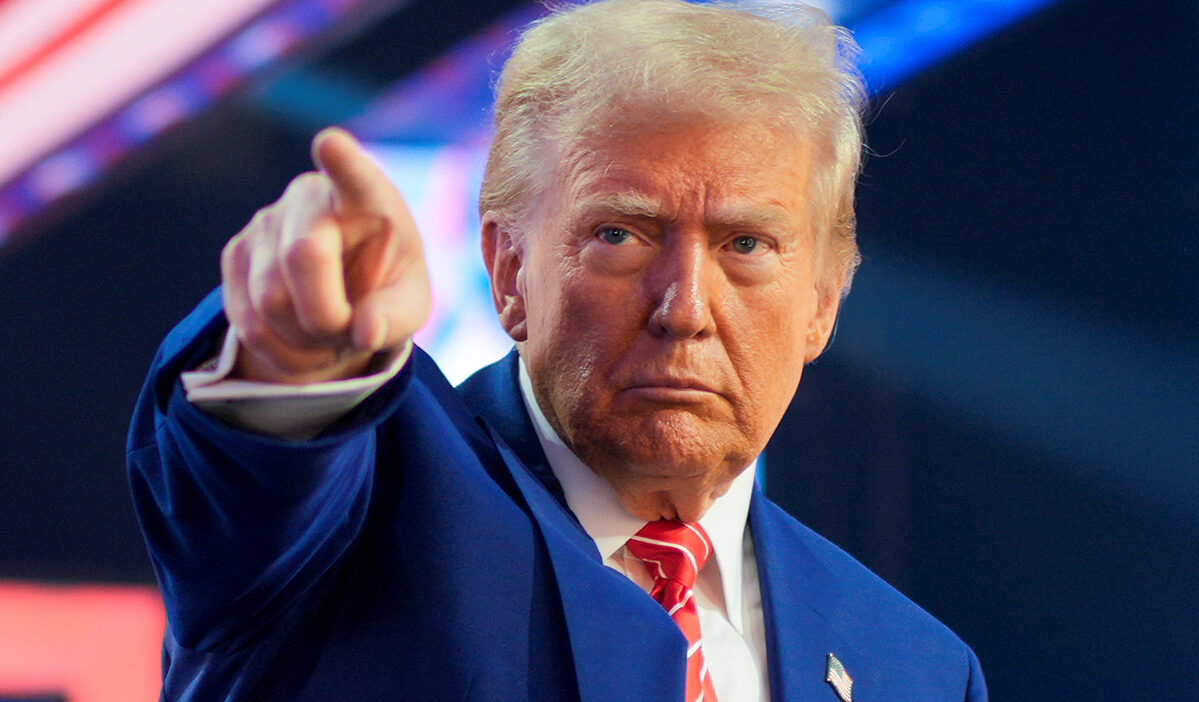
The question of whether President Donald Trump’s tenure was beneficial for payments innovation does not yield a simple yes or no. His administration presided over a period of significant technological change and regulatory shift, leaving behind a complex and decidedly mixed legacy. While several high-profile actions aimed to modernize government systems and embrace digital assets, other policies created headwinds for competition and consumer choice in the financial sector. Assessing his impact requires a balanced look at both the advancements and the setbacks.

Landmark Legislation and Government Efficiency
The Trump administration actively pursued several initiatives to drag federal payment systems into the 21st century. The most notable achievement was the signing of the Genius Act, which established a first-ever federal regulatory framework for stablecoins. This landmark legislation provided much-needed clarity for the digital assets market, legitimizing a new form of payment and encouraging investment in blockchain-based payment infrastructure. By creating a structured environment, the act aimed to foster payments innovation while addressing concerns about stability and consumer protection.
Alongside this, President Trump used executive power to accelerate the government's own adoption of modern payment rails. An early executive order mandated the shift away from paper checks for all federal disbursements, such as tax refunds and Social Security benefits. This move pushed the U.S. further down the path of a fully digital payment ecosystem, promising greater efficiency, speed, and cost savings. In a symbolic but practical step, his administration also ceased production of the penny, acknowledging the inefficiency of producing a coin that cost more than its face value. These actions collectively signaled a strong, top-down push for a more advanced, more efficient national payments infrastructure.
Regulatory Uncertainty and the Fintech Landscape
Weighing against these proactive steps was the administration's contentious relationship with the Consumer Financial Protection Bureau (CFPB). Under Trump, efforts were made to significantly curtail the agency's power and funding, with a view towards its potential closure. While the CFPB under President Biden had drawn industry criticism for seeking to regulate emerging services like Buy Now, Pay Later (BNPL) and Earned Wage Access (EWA), its potential absence created a new problem: a patchwork of state-level regulations.
Without a single, national standard, fintech companies now face the prospect of navigating dozens of differing state laws. This regulatory uncertainty increases compliance costs and operational complexity, potentially stifling the very innovation that drives the sector forward. As Alex Bradford, CEO of EWA provider Rain Technologies, noted, even varied state regulations are preferable to a vacuum, which can hinder responsible growth and consumer protection. The administration's stance thus created a challenging environment for nimble fintech players seeking to scale their services nationally.
The Open Banking Stalemate and Shifting Alliances
Perhaps one of the most significant setbacks for payments innovation under Trump was the reversal on open banking. The Biden administration had championed a rule to give consumers more control over their financial data, allowing them to securely share it with third-party apps and services. This policy was designed to boost competition by enabling fintechs to build better, more personalized financial tools that could challenge traditional banks.
The Trump administration halted this progress, ordering a rewrite of the rule. This move was widely seen as siding with large, incumbent banks, which have historically resisted open banking and sought to impose fees on data access. Fintech trade groups protested, arguing that imposing fees on consumer data is "a direct threat to responsible innovation, competition, and the millions of Americans who rely on responsible fintech tools."
Antitrust Enforcement and Credit Card Politics
The administration's approach to the powerful card networks was ambiguous. As a candidate, Trump made headlines by floating the idea of capping credit card interest rates—a populist stance that would have directly challenged the business models of bank card issuers and their card network partners like Visa and Mastercard. However, this proposal gained little traction during his term.
Meanwhile, the Department of Justice under Biden launched a major antitrust case against Visa, alleging the company maintained an illegal monopoly in the debit card market. How a second Trump administration would handle this pivotal case remains an open question. The pursuit or abandonment of this lawsuit will be a critical indicator of whether the administration's policies ultimately favor the disruption of established payment giants or reinforce their market dominance.
Conclusion
The legacy of the Trump administration in the realm of payments innovation is a study in contrasts. On one hand, it delivered concrete wins with the Genius Act and the modernization of federal payments, demonstrating a clear intent to embrace digital currency and efficiency. On the other hand, its policies fostered regulatory uncertainty for fintechs and stalled the progress of open banking, creating obstacles for competition and consumer data empowerment. There is no definitive verdict. His presidency accelerated some forms of innovation while potentially inhibiting others, leaving a complex blueprint that will continue to shape the U.S. payments landscape for years to come.