The rapid evolution of cryptocurrency has enabled a new way of spending digital assets: linking them directly to online and offline payments via virtual cards from crypto exchanges. Among these, the offering from Binance stands out. This article will explore how virtual cards for crypto exchanges work, the key benefits they bring, practical usage steps, and the pitfalls to be aware of. By understanding these four areas, you’ll be better positioned to decide whether a crypto‑linked virtual card fits your financial life.
What is a crypto exchange virtual card and how it works
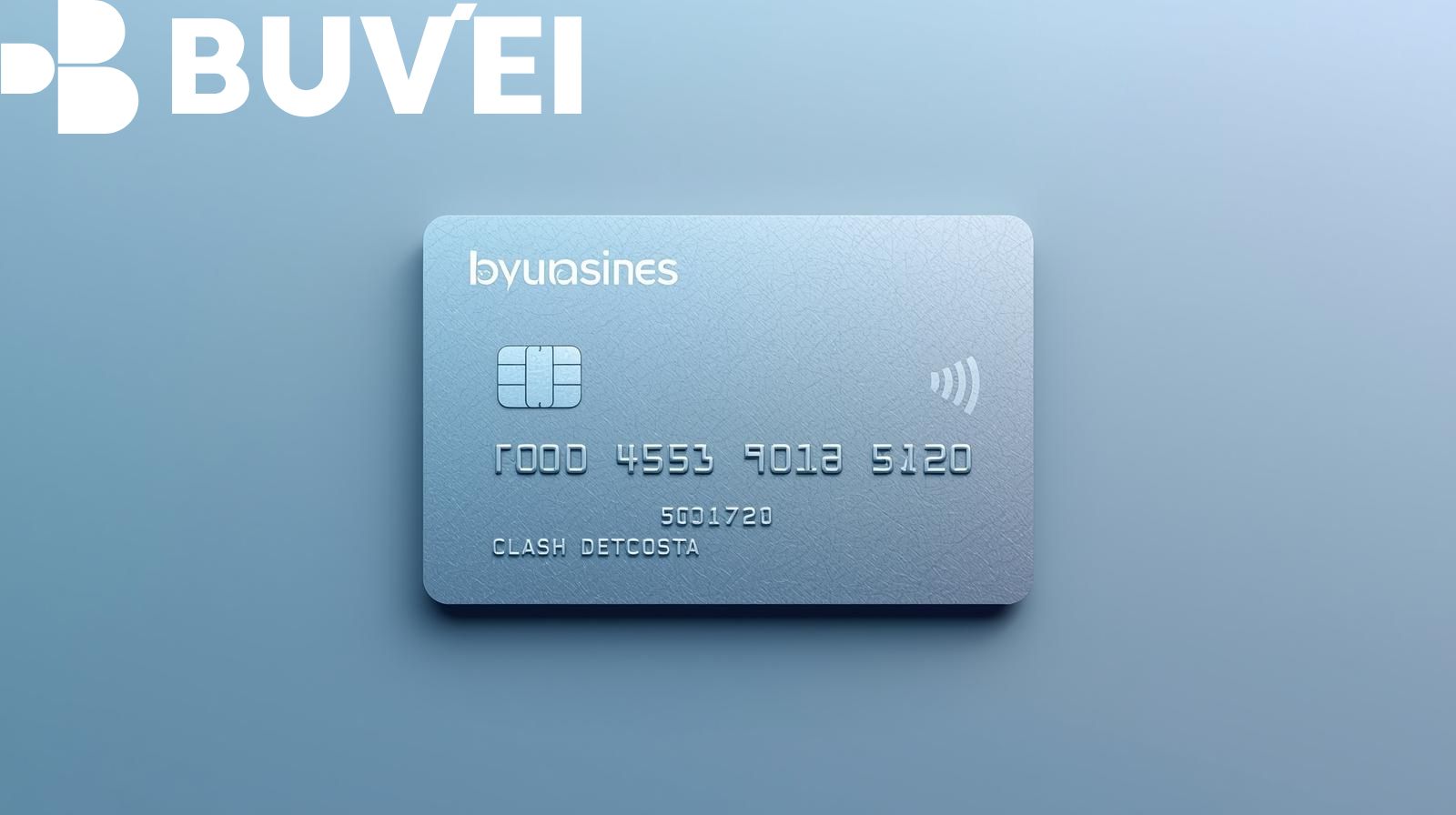
A virtual card in this context refers to a digital payment card—typically a Visa or Mastercard number, CVV, expiry date—that is issued without a physical plastic component, and is linked to your account at a crypto exchange. When you use it, crypto is converted (often in real time) to fiat currency, and the merchant sees a standard card payment.
For example, Binance offers the Binance Card which includes a virtual version: the card is connected to your Binance wallet, your crypto (e.g., BTC, BNB, ETH) is converted to fiat at point of sale, and you can pay at any merchant accepting Visa.
Why this matters: For crypto holders, a virtual card means you don’t need to first convert assets manually then transfer fiat to a separate bank card. Instead, spending can be seamless, reducing friction between crypto holdings and everyday payments.
Key benefits of using a virtual card on crypto exchanges
Using a crypto‑exchange virtual card offers several advantages, especially for those comfortable with digital assets. Here are four primary benefits:
Benefit A: Real‑time crypto to fiat conversion
With cards like the Binance Card, when you make a payment, your selected crypto asset is converted into fiat automatically and instantly. This means merchants just see a normal card transaction. This provides convenience and expands spending options of assets that otherwise may sit unused.
Benefit B: Accessibility and speed
A virtual card can be issued rapidly—often right after identity verification—with no shipping delay. For instance, the virtual card from Binance becomes available immediately post‑approval. This instant issuance makes it practical for immediate online purchases.
Benefit C: Rewards / cashback in crypto
Many such cards offer rewards denominated in crypto. For example, Binance offers up to ~8% cashback in BNB depending on tier and usage. For crypto‑savvy users this is attractive: you spend fiat (via conversion) while earning more crypto.
Benefit D: No or low monthly fees
Some cards waive monthly or annual fees, making them cost‑efficient if you already hold crypto. The Binance Card lists no monthly maintenance fee.
Together, these benefits make virtual crypto cards appealing for frequent spenders of digital assets who want flexibility and rewards.
Practical steps to use a virtual card with an exchange
If you decide to go this route, here’s a practical workflow broken into four steps:
Step 1: Set up your exchange account & wallet
-
Ensure you have an account at a crypto exchange that offers a card (e.g., Binance).
-
Complete Know‑Your‑Customer (KYC) verification as required.
-
Ensure you have crypto in your account/funding wallet that is eligible for conversion.
Step 2: Apply for the virtual card
-
Navigate to the card offering section of the exchange.
-
Choose the virtual card option (some exchanges separate virtual vs physical). Virtual cards are available immediately; physical cards ship later.
-
Accept terms, set up any required details (name on card, residency, funding wallet).
Step 3: Top up / link your funding wallet
-
Move crypto from your general spot wallet into the designated funding wallet for the card if required.
-
Be aware of which assets are supported for conversion (BNB, BTC, ETH, ADA etc).
Step 4: Use your virtual card for payments
-
For online purchases: when at checkout, choose card payment, enter card number/CVV/expiry from your virtual card.
-
For recurring payments: you can often register the virtual card as a payment method (though check terms).
-
Ensure you monitor conversion rates, since spending means crypto is sold/converted to fiat at point of sale.
-
For physical card: sometimes you can link to mobile wallets (Apple Pay/Google Pay) if supported.
Bonus tip: monitor fees and regions
-
Confirm card usage is supported in your country/region (some restrictions apply).
-
Check conversion and transaction fees, as some users report differences in rates and merchant protections.

Risks, pitfalls and what to watch out for
While virtual cards tied to crypto hold promise, they are not without risks and caveats. Here are major considerations:
Risk A: Regulatory & geographic limitations
Crypto card services vary by jurisdiction. Some exchanges stop support for certain regions. Always check whether your country is supported, and whether local regulation might affect use.
Risk B: Merchant protections and card‑issuer support
Even though the card may operate on the Visa network, it may not offer the full protections you expect from a traditional bank card. If you encounter fraud or a dispute with a merchant, recourse may be limited.
Risk C: Crypto volatility & conversion timing
Since each transaction triggers crypto‑to‑fiat conversion, you’re exposed to market volatility at the moment of purchase. This means cost in crypto can fluctuate significantly versus when you acquired the asset.
Risk D: Fees, support issues and user experience
While some cards claim zero monthly fees, other costs may apply: ATM withdrawal fees, foreign transaction fees, funding wallet minimums, or conversion spreads. Customer support for crypto card services may also be slower than traditional banks.
Conclusion
In 2025’s crypto environment, a virtual card offered by a crypto exchange (such as the Binance Card) presents a compelling bridge between digital assets and everyday spending. By enabling real‑time crypto‑to‑fiat conversion, rapid issuance, and reward opportunities, these cards are a meaningful innovation for crypto holders. However, they carry distinct risks—regulatory constraints, protections that may differ from traditional bank cards, and exposure to crypto volatility.