Introduction
Sending one payment is simple. Managing hundreds of payments every month is a different challenge.
Marketplaces, affiliate platforms, and digital businesses often need to pay multiple recipients regularly. As payment volume grows, manual processing becomes harder to manage.
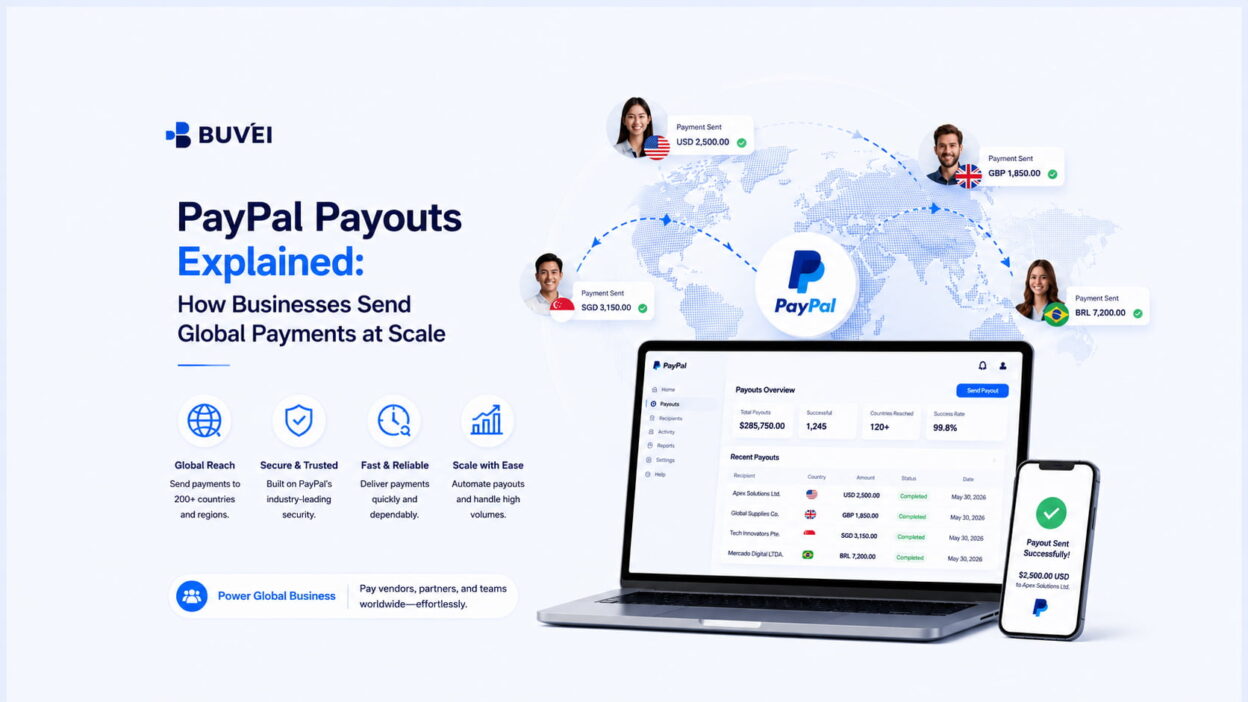
PayPal Payouts helps businesses send payments to multiple recipients through a more efficient payout process.
This guide explains how PayPal Payouts work, common business use cases, challenges at scale, and how companies can improve payout management.
What Are PayPal Payouts and How Do They Work?
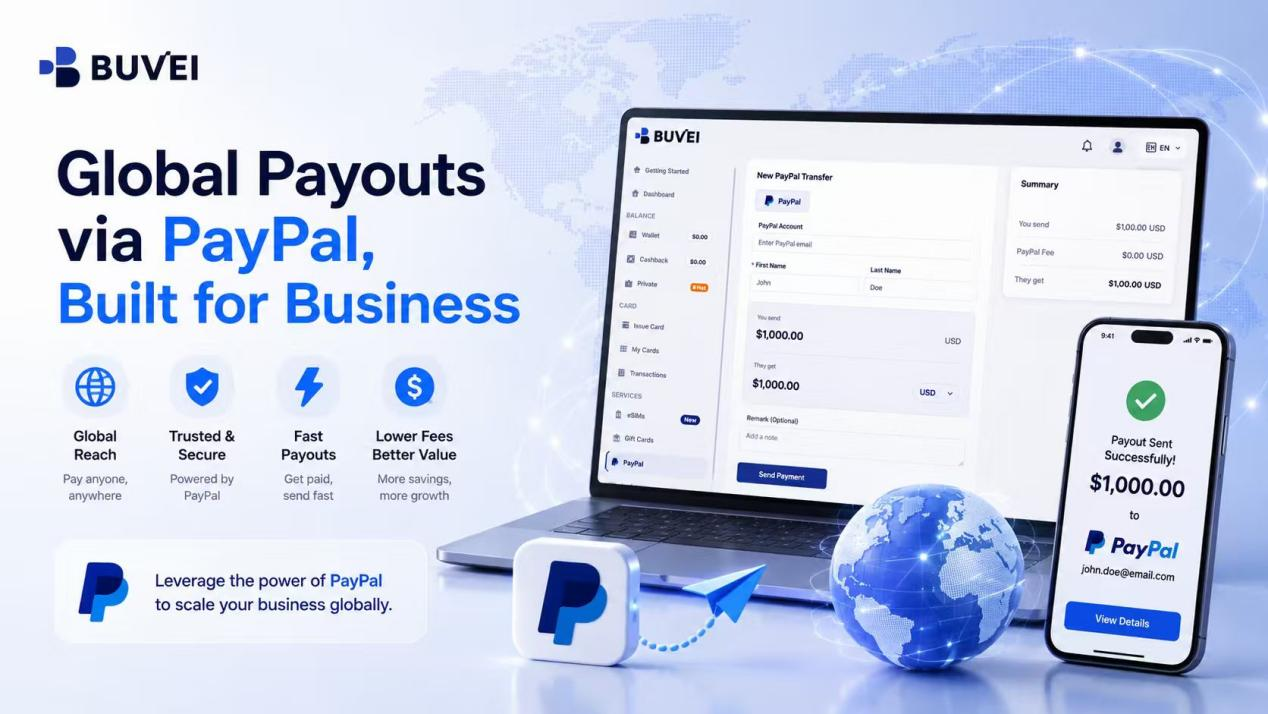
PayPal Payouts is a business payment solution designed for companies that need to distribute funds to multiple recipients.
Unlike standard PayPal transfers, Payouts helps businesses manage recurring payments through a structured process.
Common use cases include:
- Affiliate commissions
- Marketplace seller payments
- Freelancer payments
- Creator rewards
The main value of PayPal Payouts is reducing the manual work involved in repeated payment distribution.
How Businesses Use PayPal Payouts for Mass Payments
PayPal Payouts is commonly used by businesses that regularly send payments to external recipients.
PayPal Payouts for Affiliate Commission Payments
Affiliate platforms often need to distribute commissions to multiple partners each month.
A structured payout process helps teams reduce manual transfers and keep commission payments more consistent.
PayPal Payouts for Marketplace Seller Payments
Marketplaces may need to pay sellers or service providers after completed transactions.
As seller numbers grow, businesses need better ways to manage payment records and recurring settlements.
PayPal Payouts for Creator and Freelancer Payments
Creator platforms and digital businesses use payout solutions to pay contributors for content, projects, or services.
PayPal Payouts provides a simpler way to manage recurring payments without handling each transaction individually.
PayPal Payout Fees and Limits Businesses Should Know
Cost is an important consideration when businesses send payments at scale.
PayPal Payout fees may depend on:
- Payment volume
- Recipient details
- Account requirements
- Transaction type
For businesses sending hundreds or thousands of payments, the total cost includes both transaction fees and the operational effort required to manage payouts.
Efficient payout management requires balancing cost, speed, and process simplicity.
Common PayPal Payout Challenges When Sending Payments at Scale
As payout volume increases, businesses often face operational challenges.
Managing Recipient Lists and Payment Records
Large payout operations require accurate recipient information and payment history.
Teams may need to manage:
- Recipient data
- Payment schedules
- Transaction records
- Internal reporting
The challenge is not only sending payments, but maintaining accurate records behind every transaction.
Reducing Manual Work in Recurring Payouts
Recurring payouts can become time-consuming when handled manually.
Teams may spend significant time preparing payment lists, verifying details, and updating records.
Automated payout processes help reduce repetitive tasks and support higher payment volumes.
Why Companies Use Additional Payment Tools Alongside PayPal Payouts
PayPal Payouts focuses on distributing funds to external recipients.
However, businesses also manage other online expenses, such as:
- Advertising payments
- SaaS subscriptions
- Business software
- Digital services
Using different payment tools for different activities helps companies create more flexible financial operations.
How BUVEI Helps Businesses Separate Payouts and Operating Expenses
PayPal Payouts helps businesses distribute funds to external recipients, such as affiliates, creators, freelancers, and partners.
However, companies also need to manage their own operational expenses, including advertising spend, SaaS subscriptions, and online business services. When payout activities and daily expenses are mixed together, tracking costs and managing budgets can become more difficult.
BUVEI provides virtual card solutions that help businesses separate operational spending from payout activities. Companies can assign dedicated virtual cards to different expenses, making it easier to organize payments and monitor spending.
For example, a digital marketing company may use PayPal Payouts to pay affiliates while using BUVEI virtual cards for advertising accounts and software subscriptions.
By separating external payouts from internal expenses, businesses can improve payment organization and maintain better control as they scale.
Frequently Asked Questions About PayPal Payouts
What are PayPal Payouts used for?
PayPal Payouts allow businesses to send payments to multiple recipients, including affiliates, sellers, creators, and partners.
How do businesses send mass payments with PayPal?
Businesses can use PayPal Payouts to distribute payments through a structured payout process instead of handling each transaction separately.
Are PayPal Payouts suitable for large businesses?
PayPal Payouts can support businesses with recurring payment needs, although larger operations may require additional tools for better management.
Conclusion
PayPal Payouts provides businesses with a practical way to send payments to multiple recipients at scale.
For affiliate platforms, marketplaces, and digital businesses, efficient payout management becomes increasingly important as payment volume grows.
Combining payout solutions with flexible payment tools helps companies manage both external payments and daily operating expenses more effectively.