Introduction
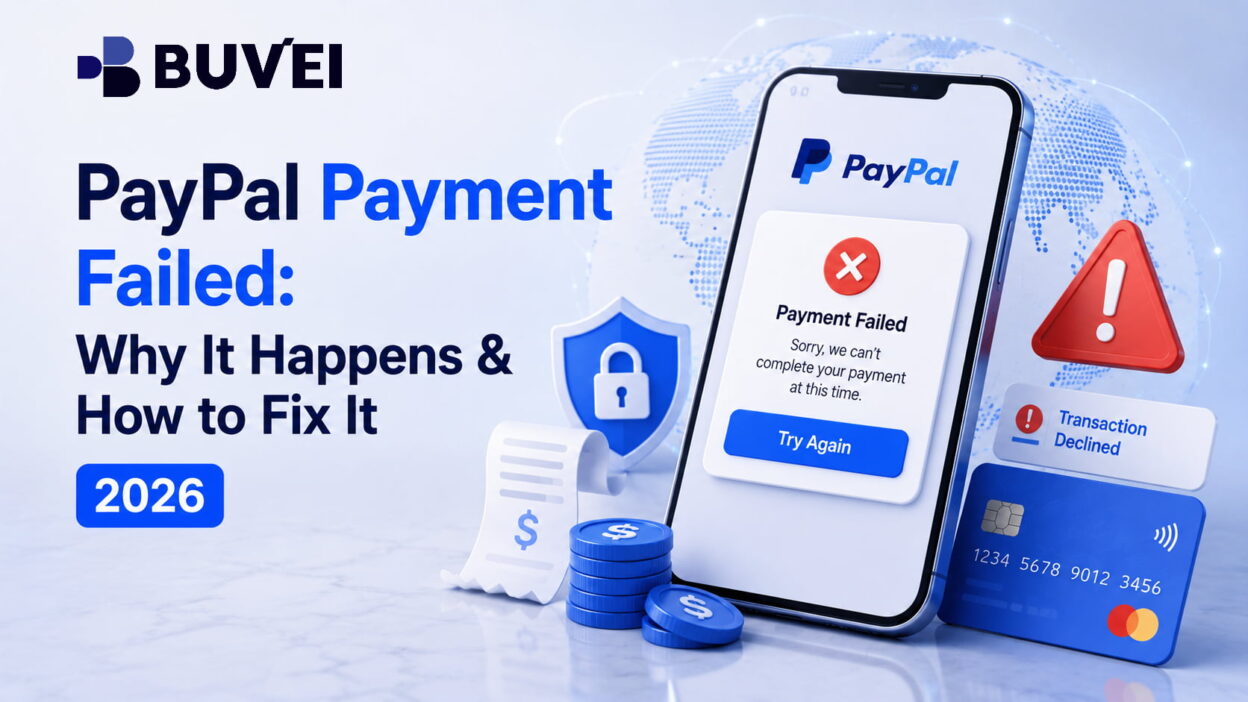
PayPal payment failed errors can happen when you least expect them. You may be paying for a SaaS subscription, an online service, or a business expense, only to see a failed or declined payment message appear.
You may be paying for a SaaS subscription, an online service, or a business expense, only to see a failed or declined payment message appear. Even with enough funds and an active payment method, PayPal transactions can still be rejected.
A PayPal payment failed error does not always mean there is a problem with your balance. The issue may come from your payment method, account status, security checks, or cross-border payment restrictions.
For individuals, this may delay a purchase or subscription. For businesses, repeated payment failures can interrupt advertising campaigns, software access, and global operations.
This guide explains the main reasons PayPal payments fail and how to fix them effectively.
Why Is My PayPal Payment Failed Even When I Have Money?
One of the most common PayPal problems is a failed payment despite having enough available funds.
Many users assume that having money in their PayPal balance or linked account should automatically approve a transaction. However, payment approval depends on more than available funds.
Before approving a transaction, PayPal considers several factors, including:
- Account status
- Payment method availability
- Transaction history
- Security signals
- Merchant requirements
For example, a user may have enough balance to pay for a software subscription, but the transaction can still fail because the linked card cannot complete authorization or PayPal requires additional verification.
Available funds are only one part of payment approval. A successful transaction requires every part of the payment process to work correctly.
This is why adding more funds or repeatedly retrying the same payment often does not solve the issue. The actual problem may exist with the payment method, account verification, or transaction restrictions.
Why Does PayPal Payment Fail or Get Declined?
A PayPal payment failed error usually comes from four major areas: payment authorization, account security, billing information, or international transaction restrictions.
Although PayPal may show a simple error message, the reason behind the failure is often related to the payment process rather than the PayPal platform itself.
Understanding where the problem happens makes troubleshooting faster.
PayPal Payment Failed Because of Card or Bank Authorization Issues
One of the most common reasons for a failed PayPal transaction is a decline from the bank or card issuer.
When you pay through PayPal, the transaction still depends on the financial institution behind your payment method. If the bank rejects the authorization request, PayPal cannot complete the payment.
Common causes include:
- International payments being disabled
- Online transactions being restricted
- Unusual spending patterns detected by the bank
- Card authorization limits being reached
For example, a media buying team running international advertising campaigns may suddenly experience failed PayPal payments because a corporate card provider flags repeated overseas transactions as unusual activity.
This means a payment can fail even when PayPal itself is working normally.
In these situations, changing PayPal settings alone may not solve the problem because the restriction comes from the card issuer.
PayPal Payment Failed Due to Account Security Reviews
PayPal uses security checks to detect unusual activity and protect users from unauthorized payments.
However, these checks can sometimes affect legitimate transactions, especially when account behavior changes suddenly.
Common triggers include:
- Logging in from a new location
- Using a new device
- Making a larger-than-usual payment
- Adding a new payment method
For example, a business that normally makes small domestic payments may encounter a failed transaction when it suddenly pays a new international supplier or increases transaction volume.
Security controls are necessary for protecting digital payments, but they can also create temporary friction for legitimate users.
Checking PayPal notifications and completing required verification steps can help restore normal payment activity.

Common PayPal Payment Failed Reasons
Cross-border payments are more complex because they involve different currencies, banking systems, and regional payment rules.
A PayPal international payment failed issue may occur when:
- The payment method does not support international transactions
- Currency conversion creates authorization problems
- The merchant has regional restrictions
- Local banking requirements affect approval
For consumers, this may prevent an overseas purchase from being completed.
For businesses, the problem can be more serious. Companies paying international suppliers, SaaS providers, or advertising platforms need consistent payment access to keep operations running.
Global payments require more than a convenient payment method. They require reliable transaction support across different markets.
How to Fix PayPal Payment Failed Issues
Once the reason behind a failed transaction is identified, most PayPal payment issues can be resolved through a structured approach.
Instead of repeatedly trying the same payment, users should check each part of the payment process and identify where the failure occurs.
Check Your PayPal Account Status and Verification Settings
The first step is confirming whether your PayPal account has any restrictions or verification requirements.
Review:
- PayPal account notifications
- Resolution Center messages
- Identity verification requests
- Connected payment methods
If PayPal requires additional information, completing the verification process may restore normal payment functionality.
For businesses, this step is especially important because payment problems often appear when transaction volume increases or account activity changes.
Update or Reconnect Your Payment Method
If the issue is related to a linked card or bank account, updating the payment connection may help.
Try these steps:
- Remove the affected payment method
- Confirm card details with your bank
- Add the payment method again
- Complete any required verification
This can solve problems caused by outdated information or failed authorization.
However, if the bank itself blocks the transaction, reconnecting the same card may not resolve the issue.
Try Another Payment Method When PayPal Payment Failed
When one payment method continues to fail, using another verified option can help complete the transaction.
Possible alternatives include:
- Another bank card
- A different payment source
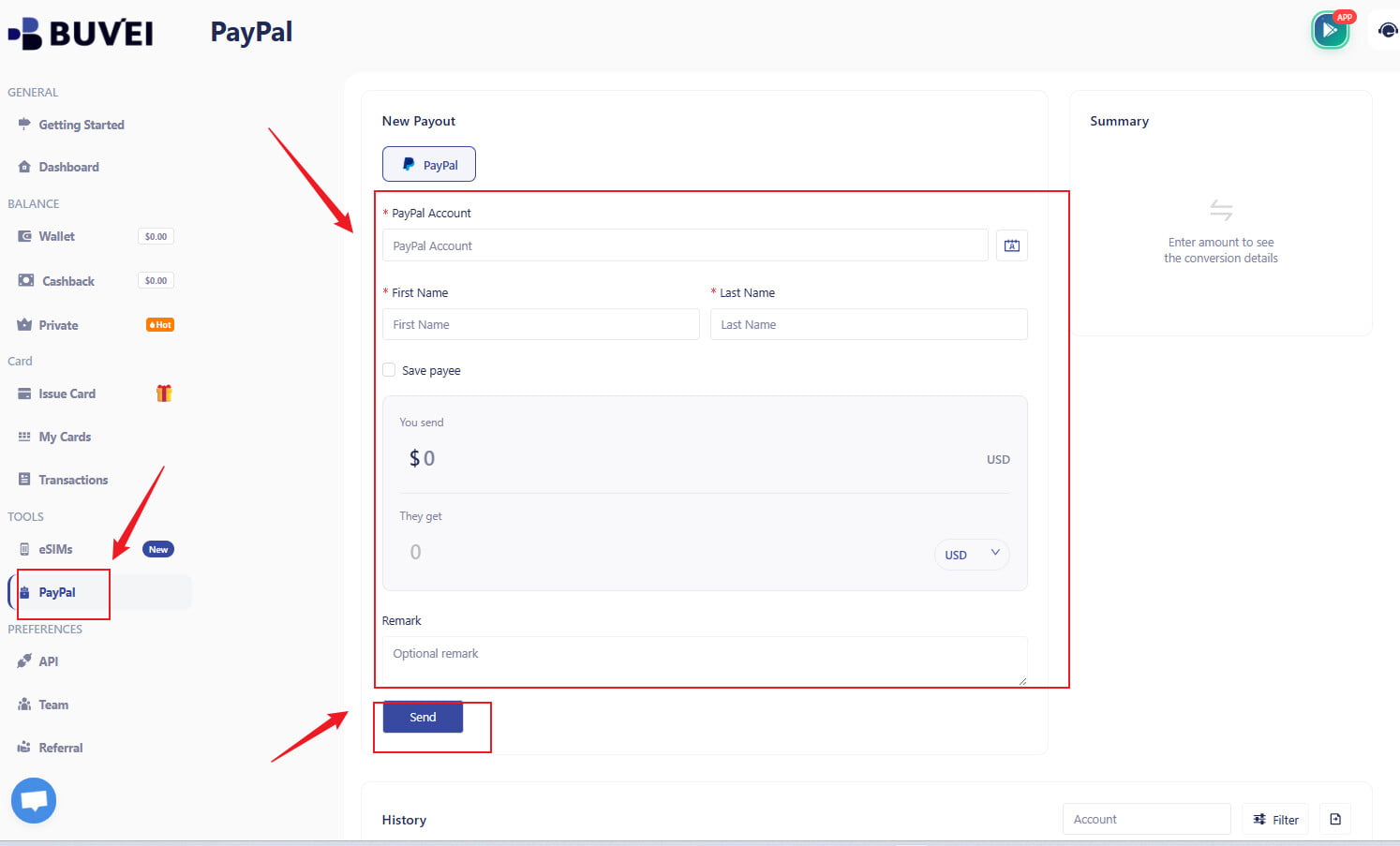
- A virtual card
For personal users, this may simply be a convenient backup option.
For businesses, multiple payment options provide more flexibility and reduce the risk that one failed transaction interrupts important operations.
A reliable payment workflow should not depend on a single payment method working every time.
Why Businesses Need More Reliable Payment Options
For individuals, a failed PayPal transaction is usually a small inconvenience. For businesses, repeated payment failures can create operational problems.
Companies rely on online payments for activities such as:
- Advertising campaigns
- SaaS subscriptions
- International suppliers
- Freelancer payments
- Global business services
The challenge becomes more obvious when payments are directly connected to revenue.
For example, a company running Google Ads or Meta Ads campaigns may need uninterrupted payment access to keep campaigns active. A declined payment at the wrong time can affect performance, spending schedules, and business operations.
For growing businesses, payment reliability is not only about completing transactions. It is about maintaining stable workflows as operations scale.
This is why many companies build multiple payment options instead of relying on a single payment channel.
How BUVEI Helps Businesses Manage Global Payments
As businesses manage more online payments across platforms and regions, flexible payment infrastructure becomes increasingly important.
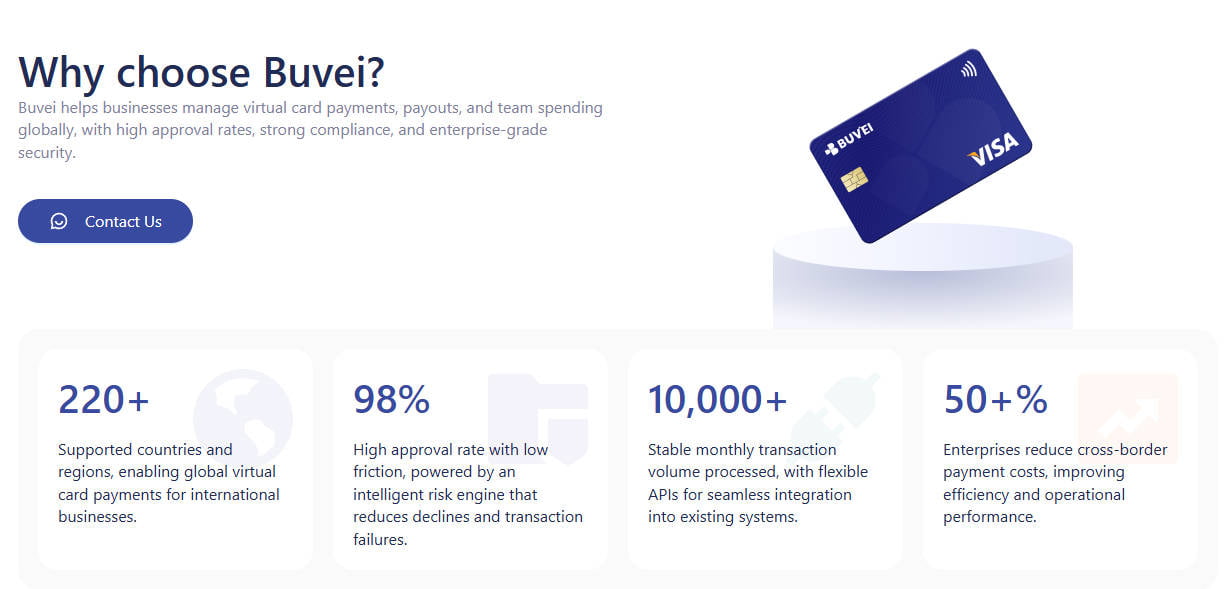
BUVEI provides virtual card infrastructure that helps companies manage these workflows more efficiently.
Key capabilities include:
- Fast virtual card issuance
- Multiple BIN options
- Spending controls
- Support for global online payment workflows
For businesses managing advertising accounts, software subscriptions, and international services, BUVEI helps teams create more organized payment processes.
For example, a company running multiple advertising campaigns can assign dedicated virtual cards to different spending activities, making it easier to track expenses and reduce operational risks.
BUVEI is not designed to replace PayPal. Instead, it works as an additional payment infrastructure layer that helps businesses build more flexible and reliable payment workflows.
By combining different payment tools, companies can reduce dependence on a single payment channel and better support global operations.
Frequently Asked Questions About PayPal Payment Failed
Why does PayPal say my payment failed?
A PayPal payment may fail because of card authorization issues, account security reviews, payment details, or international payment restrictions.
Checking your account status and payment method is usually the best first step.
Why is my PayPal payment declined but I have money?
Having enough funds does not always guarantee approval.
PayPal also checks payment authorization, account activity, security requirements, and payment method availability before completing a transaction.
Why does PayPal keep declining my card?
Your card may be declined because the bank blocks online or international payments, the card information is outdated, or additional verification is required.
Trying another verified payment method can help identify whether the problem comes from the card issuer.
Can a virtual card fix PayPal payment issues?
A virtual card may help when payment failures are related to card limitations, online payment restrictions, or the need for better spending control.
However, the result depends on the specific reason behind the failed PayPal transaction.
Conclusion
A PayPal Payment Failed message does not always mean there is a problem with your account balance.
The cause may come from payment authorization, security verification, billing information, or cross-border payment restrictions.
For individual users, updating payment details and checking account settings can often solve the issue.
For businesses operating globally, the goal is not only completing transactions. It is building a payment workflow that can continue supporting growth without unnecessary interruptions.