Native advertising platforms like Taboola, Outbrain, MGID, and Revcontent are powerful traffic sources. However, for many affiliates, getting payments approved and keeping ad accounts stable is one of the biggest challenges.
This is why more professionals now rely on virtual cards for native ads. With the right setup, virtual cards allow affiliates to control risk, protect ad accounts, and scale campaigns without constant payment failures.

Why Native Ads Payments Are Challenging for Affiliates
Most native ad platforms have strict billing systems. They monitor:
-
Payment consistency
-
Card reputation
-
Country and BIN matching
-
Unusual spending behavior
-
Chargebacks and disputes
If anything looks suspicious, accounts are reviewed, payments are declined, or balances are frozen. For affiliates running multiple campaigns, this quickly becomes a bottleneck.
Common Payment Issues on Native Ad Platforms
Affiliates frequently encounter issues such as:
-
Payment method suddenly rejected
-
Card blocked after scaling spend
-
“Risk payment” or “high fraud score” flags
-
Multiple accounts linked through one card
-
Chargebacks causing account suspension
-
Poor approval rates with local debit cards
These problems often have nothing to do with the campaign quality and everything to do with the payment method.
How Virtual Cards Solve Native Ads Billing Problems
Using virtual cards for affiliate ad payments gives you more control over how platforms see your account.
With properly configured virtual cards, you can:
-
Use separate cards for separate ad accounts
-
Control daily and monthly spend per campaign
-
Avoid linking multiple accounts to one payment source
-
Replace cards instantly if risk increases
-
Improve approval rates with US BIN cards
-
Protect your main wallet from platform disputes
For serious affiliates, virtual cards are no longer optional — they are part of infrastructure.
How to Use Buvei Virtual Cards for Native Ads
Buvei provides a flexible virtual card system designed for multi-account use cases such as advertising.
Below is the full step-by-step setup.
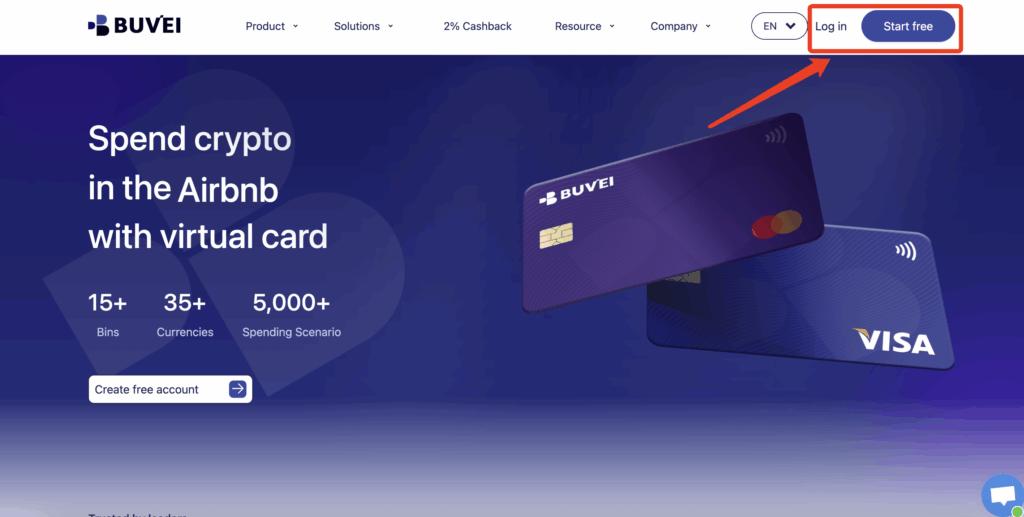
Step 1: Register a Buvei Account
Visit https://buvei.com and create a free account.
After completing email verification, log in to your Buvei dashboard.
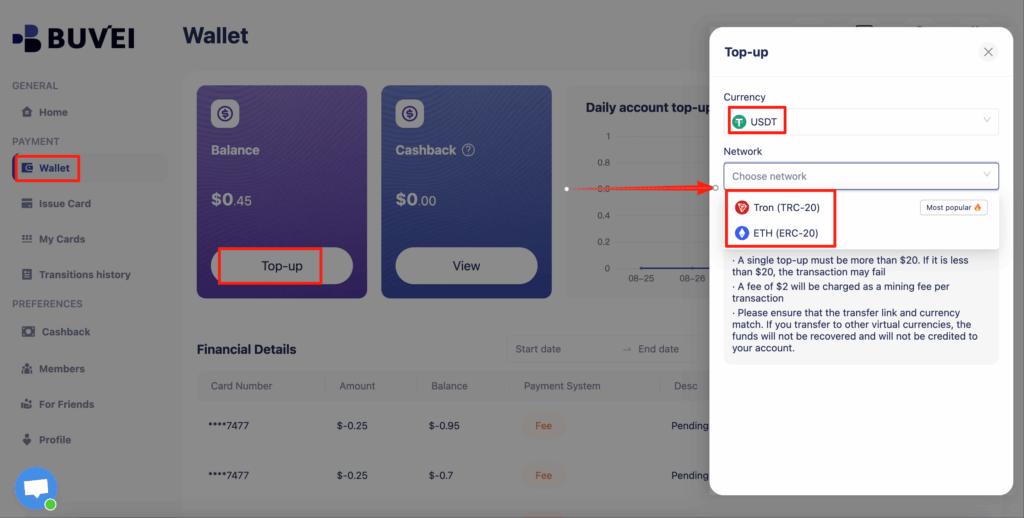
Step 2: Fund Your Account
Go to the Wallet tab.
Top up using USDT (TRC20 or ERC20).
You will receive a unique deposit address.
After confirmation, your balance will appear in your wallet and be available immediately.
Step 3: Create a Virtual Card
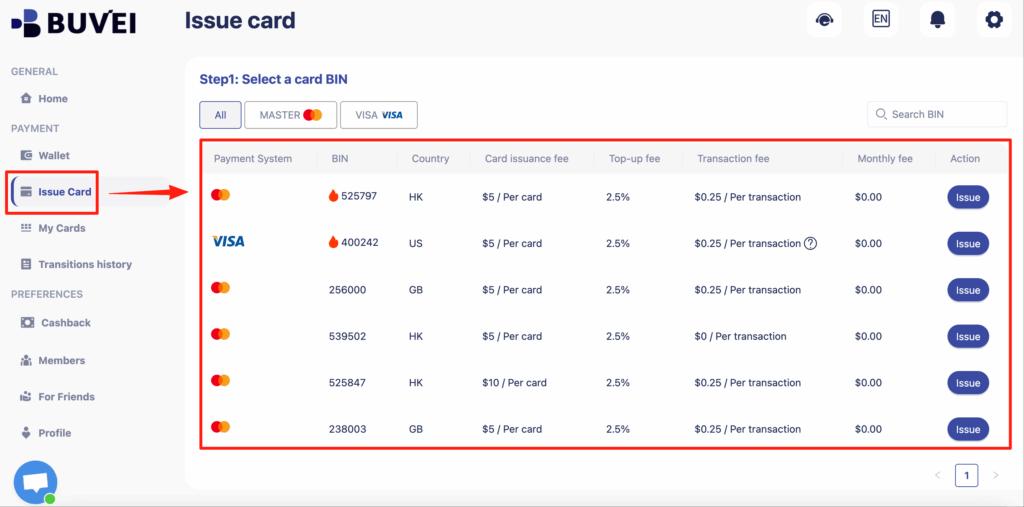
Go to the Cards tab.
Choose your preferred BIN region (US BIN is recommended for higher approval rates).
Select your card type.
Click Create.
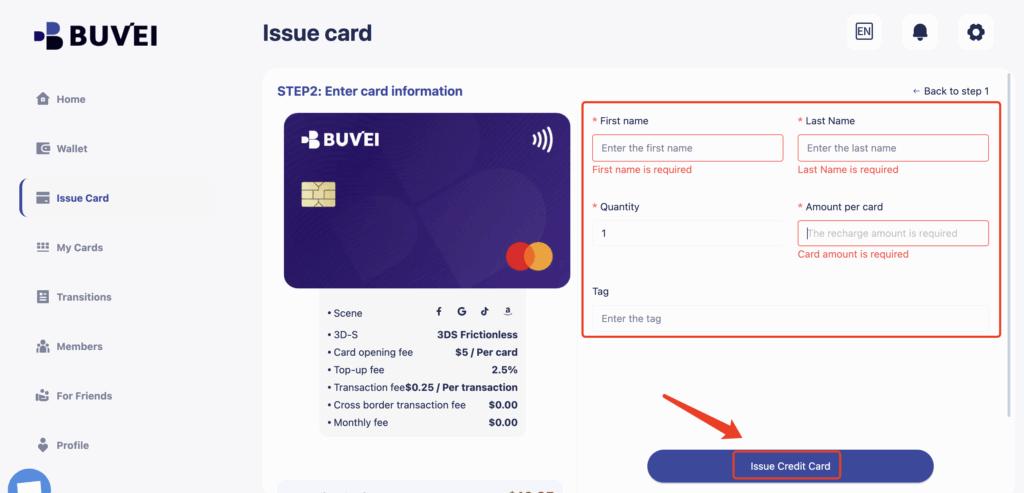
Fill in the card details, including card name, amount, and number of cards.
Click Issue Card.
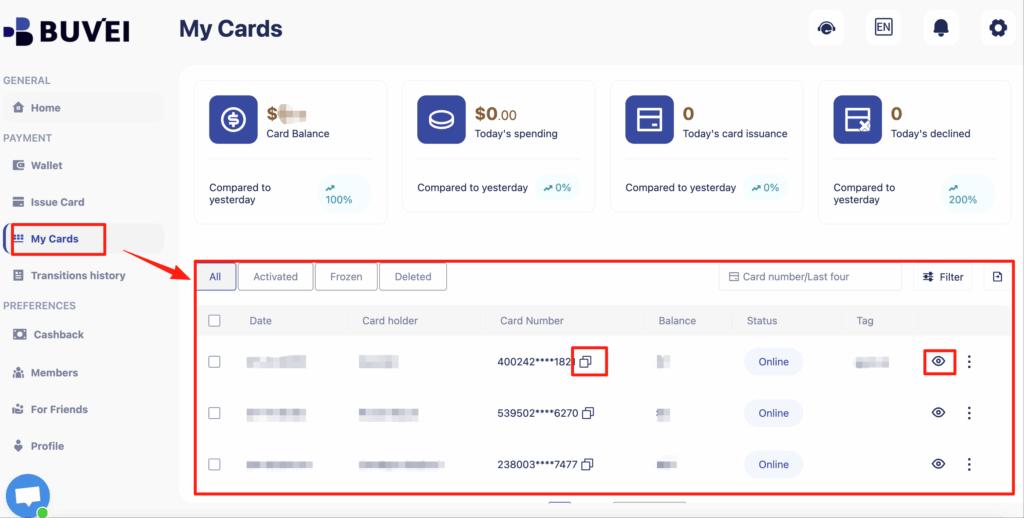
After creation, go to My Cards to view:
-
Card number
-
Expiry date
-
CVV
-
Card balance
-
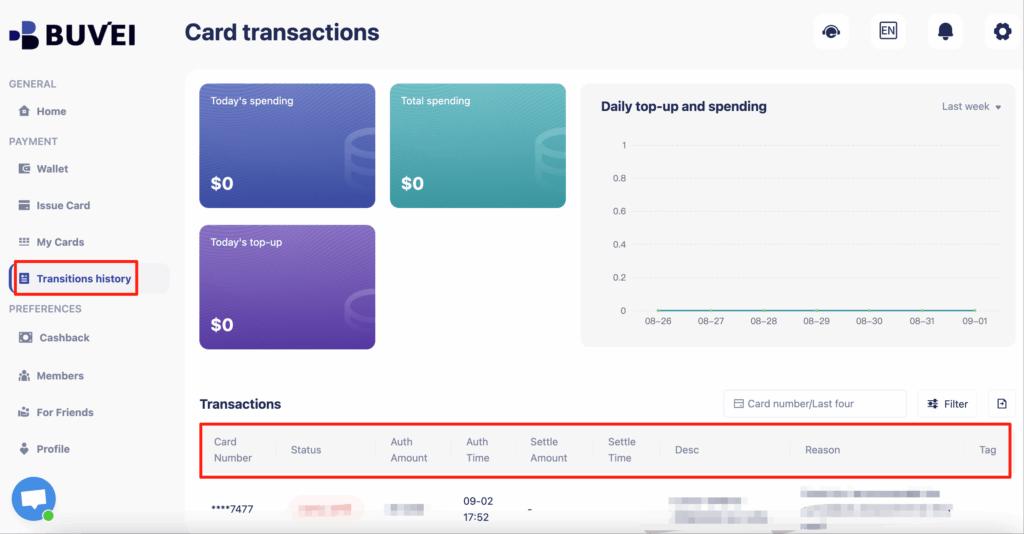
Transaction history
You can now use this card directly inside Taboola, Outbrain, MGID, or any other native ad platform.
Best Practices for Scaling Native Campaigns
To successfully scale native ads using virtual cards, experienced affiliates follow these rules:
-
One card per ad account
-
Do not reuse the same card across many platforms
-
Start with small budgets and scale gradually
-
Keep clean transaction histories
-
Use US BIN cards for better trust scores
-
Monitor declines and replace cards early
-
Keep reserve balance to avoid mid-day campaign shutdowns
With proper card management, your ad infrastructure becomes far more stable and scalable.

Final Thoughts
Native ads can be extremely profitable, but only when the payment layer is stable.
Using virtual cards for native ads gives affiliates more control, better approval rates, and stronger account protection.
Buvei offers a practical solution for affiliates who need:
-
Multiple virtual cards
-
Flexible funding
-
BIN selection (including US BIN)
-
Transparent fees
-
Easy card management
-
Strong privacy protection
If you are serious about affiliate marketing and media buying, building your payment stack around Buvei virtual cards is a strategic advantage, not just a convenience.