
Taboola and Outbrain are powerful native advertising platforms, but many advertisers struggle with billing issues. Declined payments, card restrictions, and account reviews can quickly disrupt campaigns.
That is why more media buyers now rely on virtual cards for native ads to keep their Taboola and Outbrain accounts stable and scalable.
Native Ads Billing Requirements Explained
Both Taboola and Outbrain apply strict billing rules to protect their platforms from fraud. Their systems usually require:
-
A valid international payment method
-
Stable billing history
-
Consistent geographic data (IP, business info, payment source)
-
Reliable recurring payment capability
-
Low risk transaction patterns
If your payment method fails too often, your account may face review, spending limits, or even suspension.
Why Traditional Cards Fail on Taboola and Outbrain
Many advertisers experience issues when using regular bank cards, such as:
-
Local debit cards not supported
-
Cross-border transactions blocked by banks
-
High decline rates for ad platforms
-
Card issuer rejecting recurring ad spend
-
Mismatch between business region and card country
-
Sudden card blocks during scaling
These problems often appear once spending increases, which makes scaling extremely difficult.
Benefits of Using Virtual Cards for Native Ads
Using virtual cards for Taboola and Outbrain gives advertisers much more control and flexibility.
Key advantages include:
-
Higher approval rates with proper BIN selection
-
Ability to create separate cards for different ad accounts
-
Better risk isolation between campaigns
-
Easier replacement if a card is flagged
-
Clear spending control through fixed balances
-
Reduced exposure of personal or corporate bank cards
For professional media buyers, virtual cards are no longer optional — they are infrastructure.
How to Create Virtual Cards with Buvei
Buvei offers a simple and scalable way to issue virtual cards suitable for advertising platforms like Taboola and Outbrain.
Below is the full setup process.
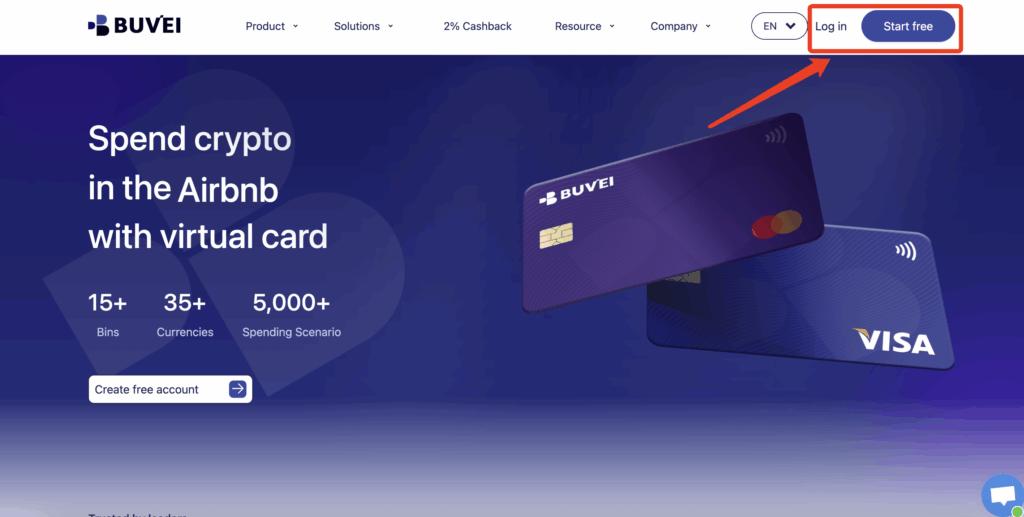
Step 1: Register a Buvei Account
Visit https://buvei.com and create a free account.
After completing email verification, log in to your Buvei dashboard.
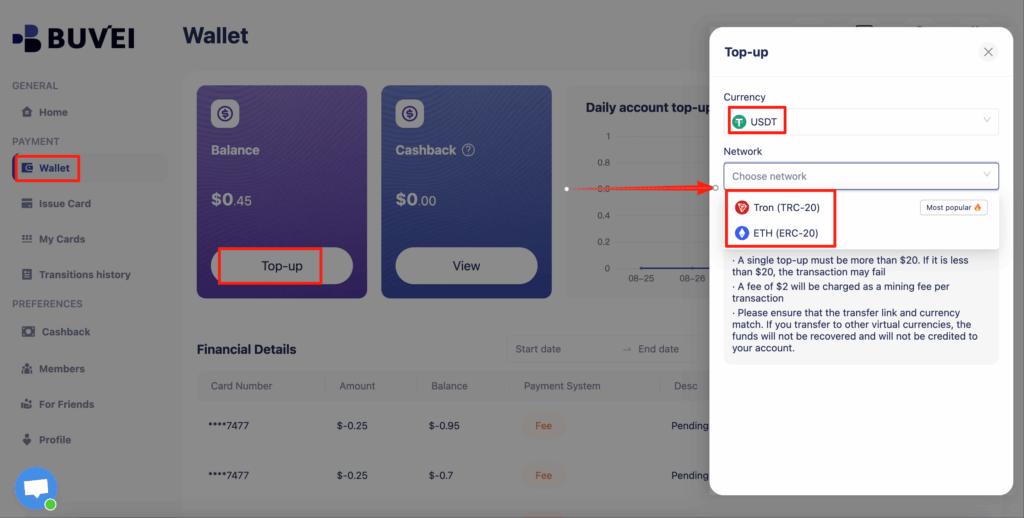
Step 2: Fund Your Account
Go to the Wallet tab.
Top up using USDT (TRC20 or ERC20).
You will receive a unique deposit address.
After confirmation, your balance will appear in your wallet and be available immediately.
Step 3: Create a Virtual Card
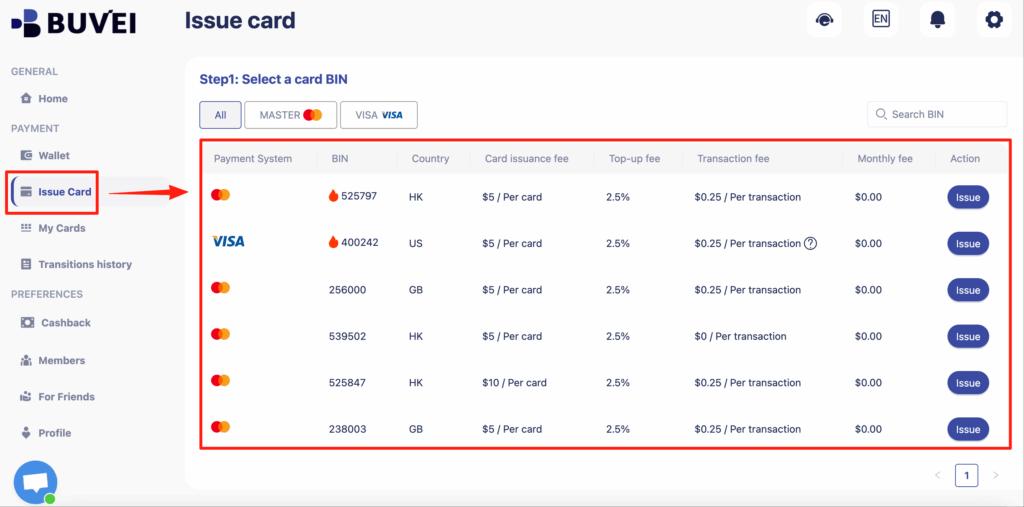
Go to the Cards tab.
Choose your preferred BIN region (US BIN is recommended for higher approval rates).
Select your card type.
Click Create.
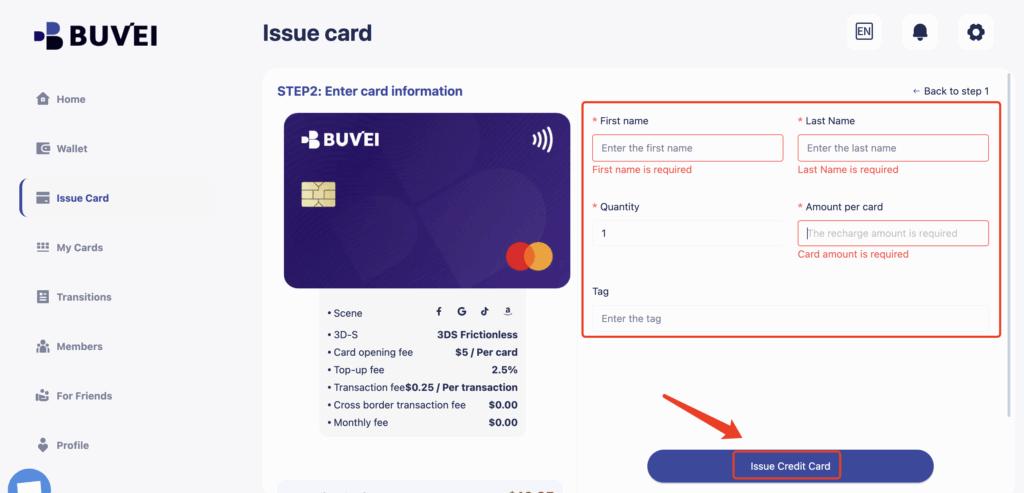
Fill in the card details, including card name, amount, and number of cards.
Click Issue Card.
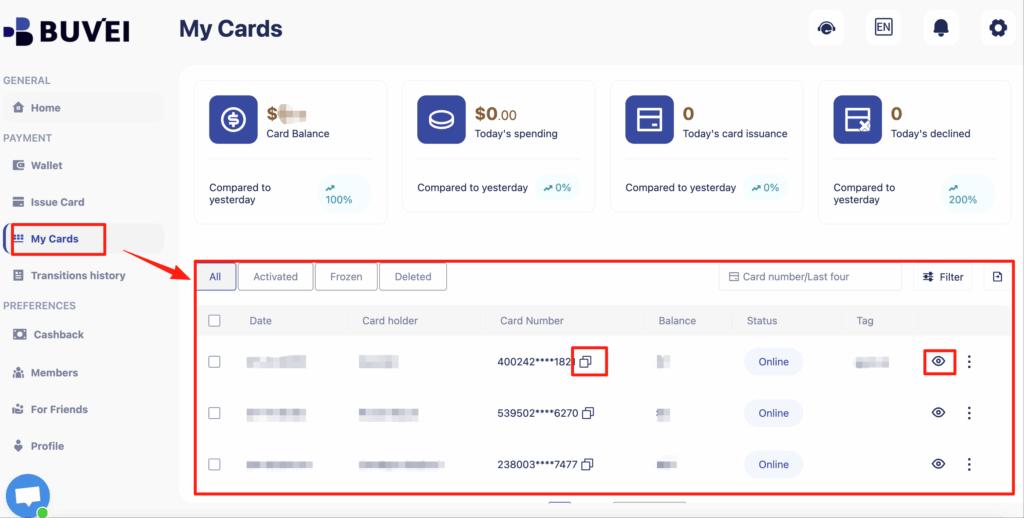
After creation, go to My Cards to view:
-
Card number
-
Expiry date
-
CVV
-
Card balance
-
Transaction history
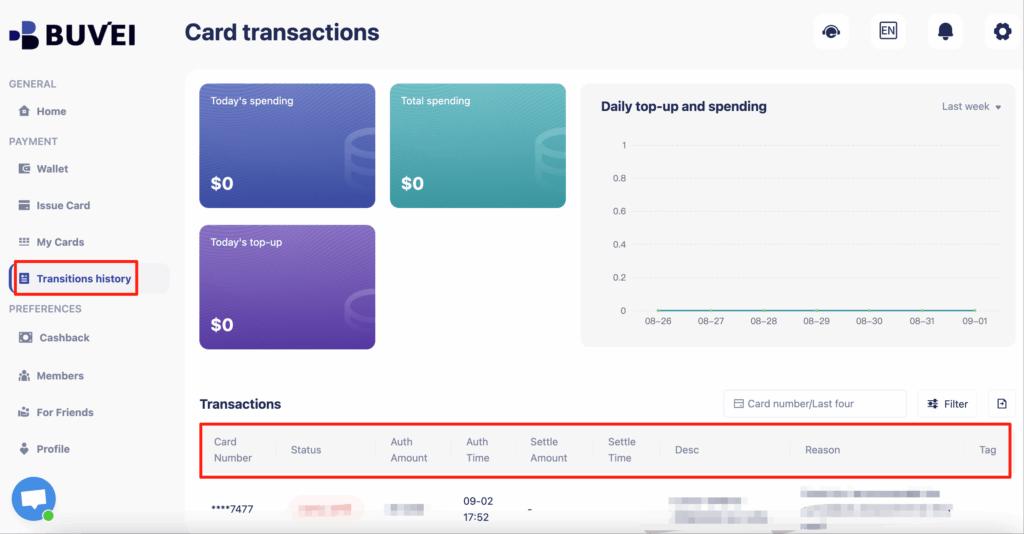
These card details can be used directly inside Taboola or Outbrain billing settings.
Payment Stability Tips for Native Advertisers
To maintain long-term stability when running native ads, consider the following best practices:
-
Use separate cards for separate ad accounts
-
Avoid testing many cards on one account in a short time
-
Keep card balance aligned with daily budgets
-
Use US BIN cards when possible
-
Monitor declines and replace cards early
-
Do not mix personal spending with ad spend
-
Maintain consistent account information across platforms
Professional advertisers treat payment infrastructure as part of their growth strategy, not an afterthought.

Final Thoughts
Running native ads at scale requires more than good creatives and offers. Without a reliable billing setup, even the best campaigns can collapse due to payment issues.
By using virtual cards for Taboola and Outbrain, advertisers gain:
-
Better payment success rates
-
More control over budgets
-
Safer scaling strategies
-
Reduced risk of account disruption
-
Cleaner separation between campaigns and clients
With flexible virtual card creation, US BIN support, and easy management, Buvei provides a practical solution for serious native advertisers who want to scale confidently.