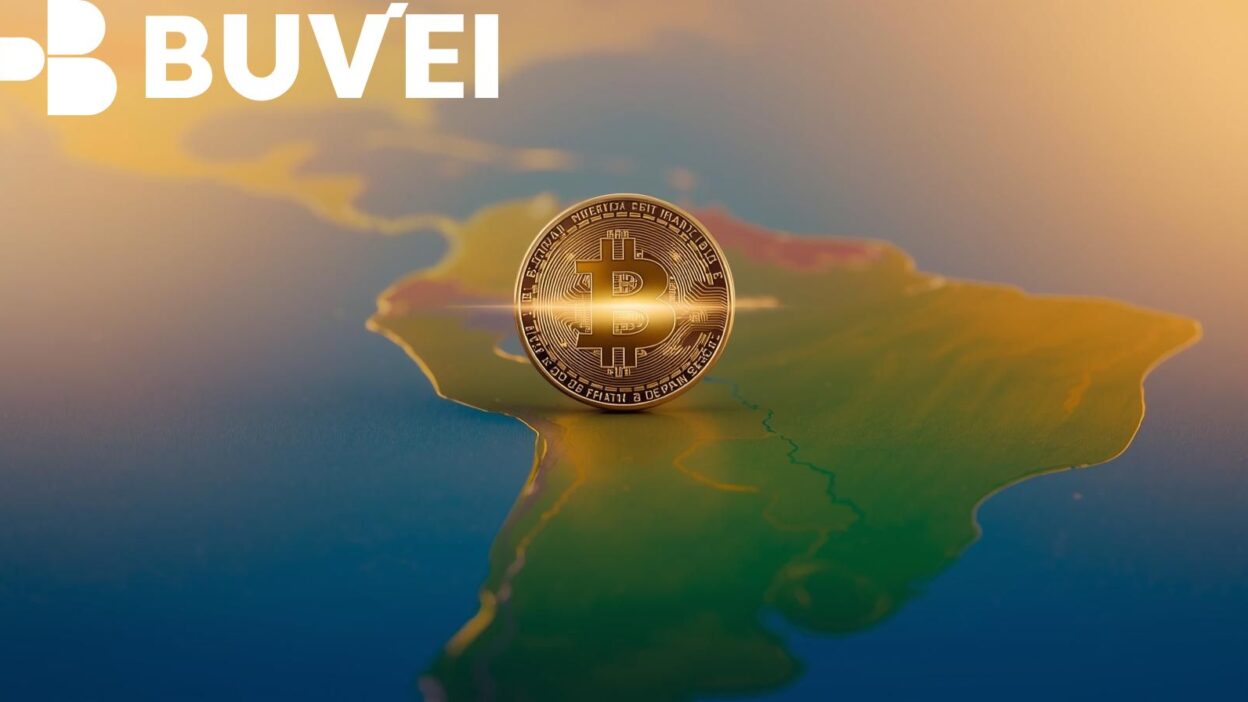
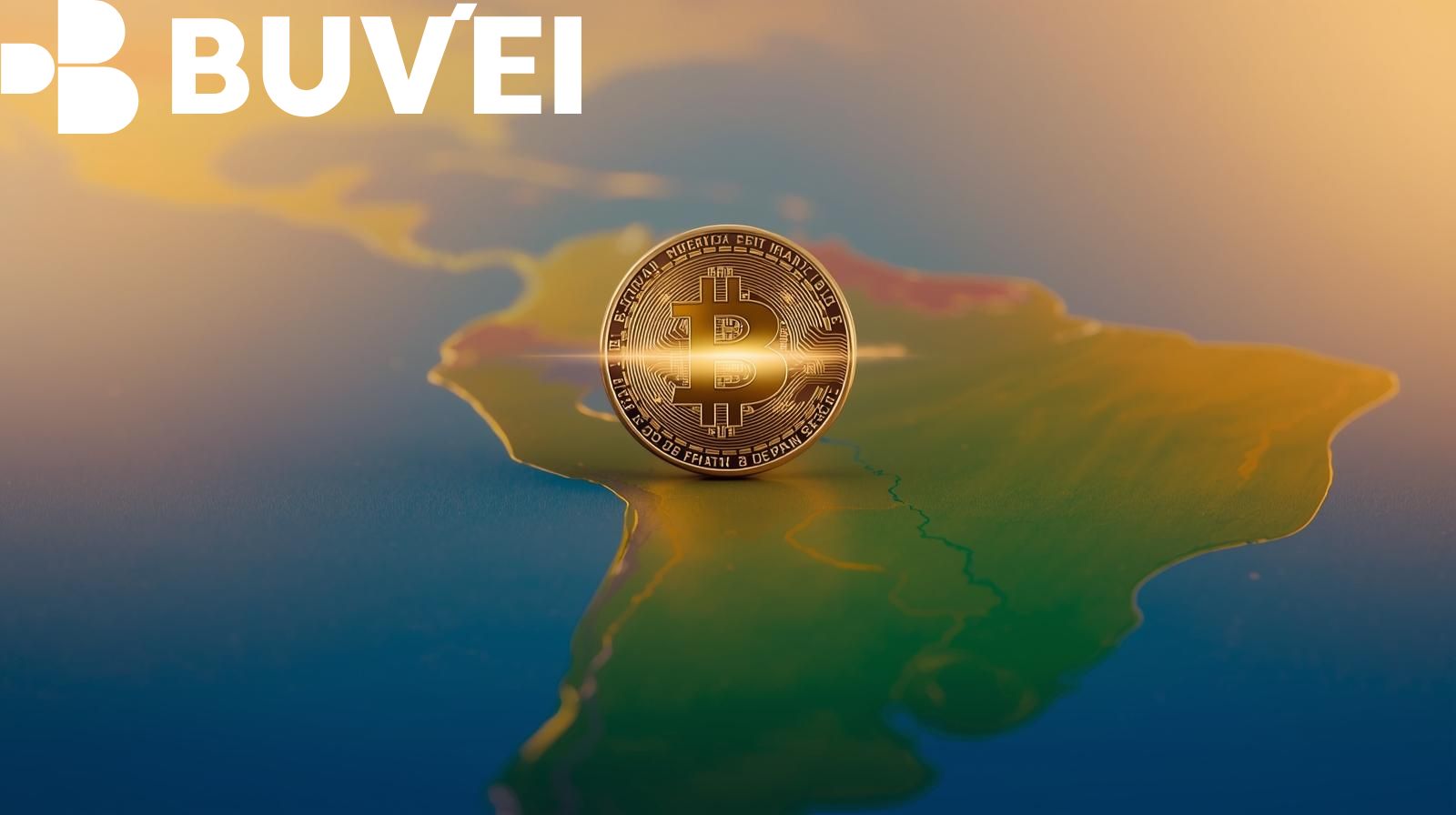
MoneyGram International is stepping into the digital currency space with stablecoin technology, aiming to modernize cross-border payments while addressing volatility in emerging markets. By leveraging blockchain infrastructure, MoneyGram seeks to offer consumers more predictable value for their transfers, particularly in countries where local currencies fluctuate heavily against the U.S. dollar.
The initiative, which began in Latin America, uses stablecoins behind the scenes, ensuring customers benefit from digital currency technology without needing to understand or interact directly with it. According to CEO Anthony Soohoo, this marks the beginning of what could be a transformative era for cross-border payments.
Why MoneyGram Is Using Stablecoins
Stablecoins are digital currencies pegged to fiat currencies, typically the U.S. dollar, designed to reduce the volatility commonly associated with cryptocurrencies. For MoneyGram, stablecoins provide a stable, predictable medium of exchange for users in countries with fluctuating economies.
The company’s first pilot, launched in Colombia in September, integrates three key technologies:
-
Stellar blockchain for secure, fast transaction settlement.
-
Crossmint wallet infrastructure to manage stored-value funds.
-
Circle’s USDC stablecoin to peg customer funds to the U.S. dollar.
By using stablecoins in the backend, MoneyGram ensures that funds remain stable during transfers, which protects customers from currency depreciation and reduces conversion costs.
Focus on Latin America
MoneyGram is targeting Latin American countries for its initial stablecoin rollout, including Colombia, Mexico, El Salvador, Honduras, Guatemala, Venezuela, and Haiti. There are two strategic reasons behind this choice:
-
Physical presence and support – MoneyGram operates numerous locations in the region, allowing customers to access in-person assistance if needed. This omnichannel approach helps ensure smooth adoption of new technology.
-
High currency volatility – Several countries in the region experience rapid fluctuations in local currencies. Pegging funds to the U.S. dollar protects customers from potential losses, offering them a more secure and predictable value for their money.
For consumers, the experience is straightforward: they see their funds pegged to the U.S. dollar in the MoneyGram app, without needing to know that a stablecoin is involved. This seamless integration simplifies adoption while delivering real value.
Benefits for Consumers
By leveraging USDC stablecoins, MoneyGram provides several advantages for its customers:
-
Protection against currency depreciation: Users in volatile economies retain more value when holding funds pegged to the U.S. dollar.
-
Reduced costs: With stablecoins, the conversion process is more efficient, potentially saving money on exchange rates.
-
Seamless experience: Funds are stored in the app without requiring users to interact with blockchain technology directly.
Soohoo notes that these features can help consumers hold value over time. For example, if a user waits seven days to convert funds in a volatile economy, they are more likely to preserve purchasing power due to the dollar peg.
Regulatory Context and Industry Implications
MoneyGram’s stablecoin strategy aligns with broader regulatory developments. The recently enacted Genius Act in the U.S. provides a framework for digital currency operations, which could accelerate stablecoin adoption across global financial services.
Soohoo likens stablecoins today to the early internet era: initially underestimated, but capable of transforming commerce and payments over time. While the pilot is still in the early stages, he believes the technology will become a major theme in the industry in the coming years.
Although the company has not announced a U.S. rollout yet, MoneyGram is focused on perfecting the product before expanding into domestic markets, ensuring reliability and compliance in more complex regulatory environments.
Conclusion
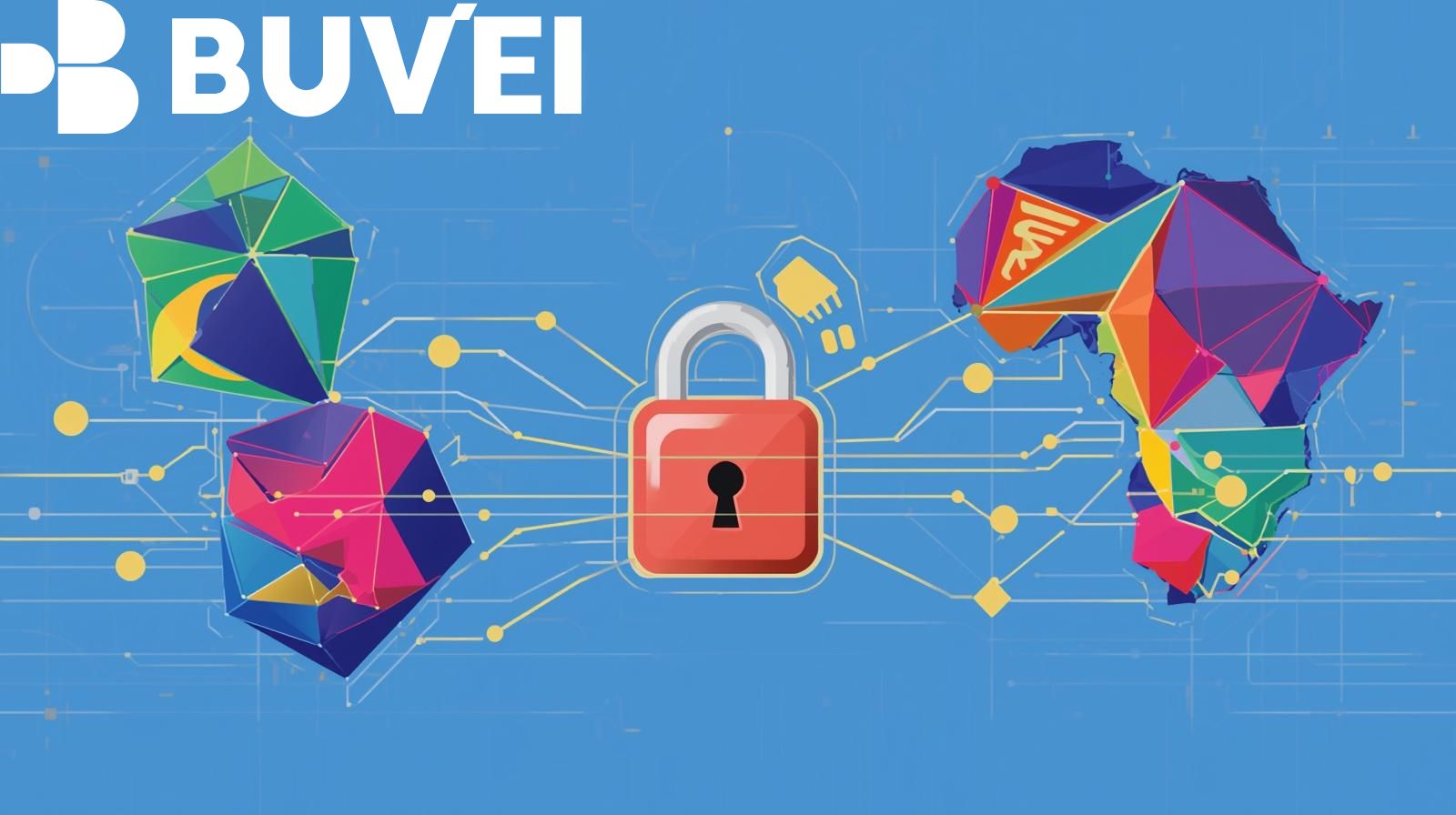
MoneyGram’s stablecoin pilot in Latin America represents a strategic step toward modernizing cross-border payments. By integrating blockchain technology and pegged digital currencies behind the scenes, the company offers consumers a secure, predictable, and efficient way to transfer money internationally.
This initiative highlights a broader trend: stablecoins are not just speculative assets, but practical tools that can enhance financial inclusion, protect against currency volatility, and streamline payments in emerging markets. As MoneyGram continues to test and expand these services, the company is positioning itself at the forefront of the digital transformation in remittances and cross-border finance.