With global online shopping, international subscriptions, and cross-border business payments on the rise, many users are relying on Apple Pay and Google Pay for seamless transactions. But when it comes to cross-border payments, differences in fees, currency conversion, and transaction success rates can significantly affect your experience.
In this 2026 guide, we compare Apple Pay and Google Pay for international payments, highlight potential issues, and explain how virtual cards like Buvei can improve success rates and reduce costs.
How Apple Pay and Google Pay Handle Cross-Border Payments
Both Apple Pay and Google Pay work as digital wallets linked to your debit or credit cards. When used internationally:
-
Apple Pay charges are processed through your linked card and converted to local currencies automatically.
-
Google Pay also routes transactions through your linked card but may handle currency conversion differently depending on the bank.
While both services support cross-border payments, the actual cost and success depend heavily on your card issuer’s policies, FX fees, and country-specific restrictions.
Key Differences Between Apple Pay and Google Pay for International Use
| Feature | Apple Pay | Google Pay |
|---|---|---|
| Supported Devices | iPhone, iPad, Apple Watch, Mac | Android devices, Wear OS |
| Cross-Border Acceptance | Widely accepted, but some regions restrict Apple Pay usage | Broad acceptance, often limited by bank & app integration |
| Currency Conversion | Uses your bank’s FX rate | Uses bank or card FX rate; sometimes additional fees apply |
| Security | 3D Secure, Face/Touch ID, tokenization | 3D Secure, PIN, tokenization |
| Recurring Payments | Supported where Apple Pay subscriptions are allowed | Supported via linked card for subscription services |
Fees, Exchange Rates, and Currency Conversion
When making cross-border payments, hidden fees and poor exchange rates can add up:
-
Apple Pay itself does not charge fees, but your bank might impose a foreign transaction fee.
-
Google Pay also does not charge fees directly, but your bank may apply FX charges.
-
Currency conversion rates differ between card issuers, and weekend or emergency FX rates may be less favorable.
These factors make cross-border payments more expensive than they appear at first glance.
Common Issues When Using Apple Pay or Google Pay Across Borders
Users often encounter:
-
Payment failures due to regional restrictions
-
Bank cards being blocked for international transactions
-
Unexpected FX or cross-border fees
-
Recurring subscription declines for apps or services
These issues can disrupt online shopping, app subscriptions, or business payments.
When Virtual Cards Improve Cross-Border Payment Success
Virtual cards, such as those offered by Buvei, address many cross-border payment challenges:
-
Support international payments with high approval rates
-
Reduce dependency on traditional banks
-
Offer pre-set spending limits to control costs
-
Compatible with Apple Pay and Google Pay
By using a virtual card, you can link it to your digital wallet and enjoy a more reliable and cost-effective cross-border payment experience.
How to Create and Use a Virtual Card with Buvei for Cross-Border Payments
Follow these steps to set up a Buvei virtual card:
-
Sign up for a Buvei account
-
Complete identity verification
-
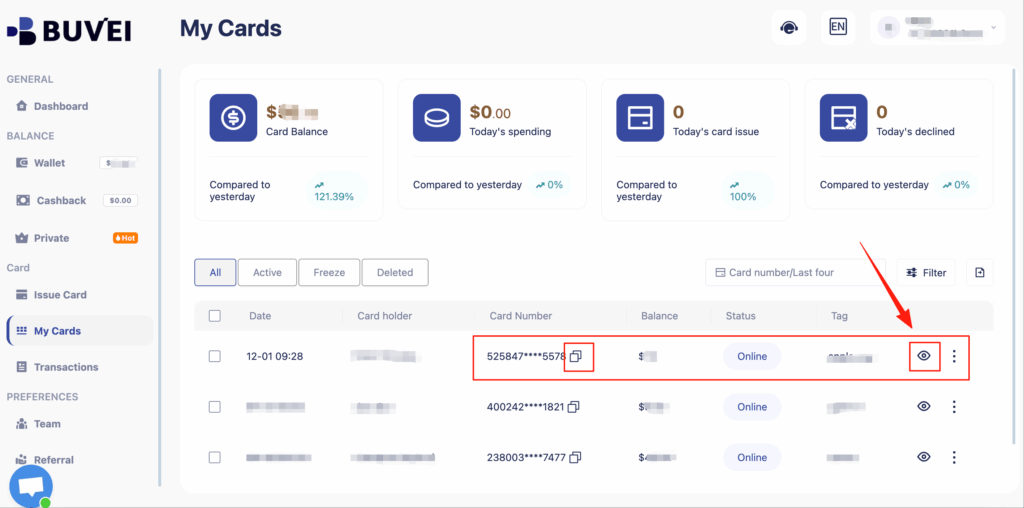
Access the virtual card dashboard
-
Generate a new virtual card instantly
-
Add the virtual card to Apple Pay or Google Pay
-
Use the card for cross-border payments or subscriptions
Why Buvei Works Well
-
Supports Visa/Mastercard networks
-
Optimized for recurring subscriptions and online payments
-
Multi-currency support for seamless international use
-
Centralized dashboard for managing multiple virtual cards
With Buvei, you can manage global spending efficiently while reducing transaction failures and FX costs
Final Thoughts
Apple Pay and Google Pay are convenient for international payments, but hidden fees, card restrictions, and currency conversion can create challenges. For frequent cross-border transactions—whether for shopping, subscriptions, or business—linking a virtual card like Buvei ensures higher payment success, better control, and lower costs.