Understand how mobile payments work—from NFC to QR codes—and how your business can create a faster, safer, and more seamless checkout experience.
what is mobile payment?
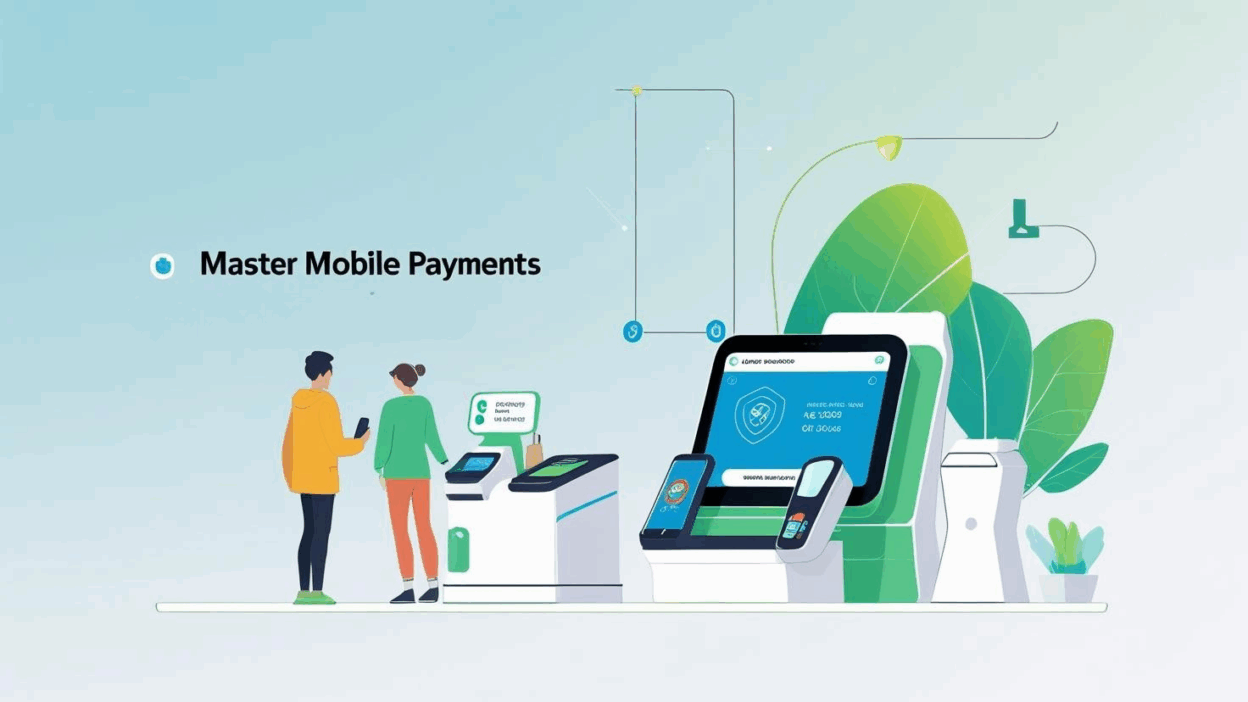
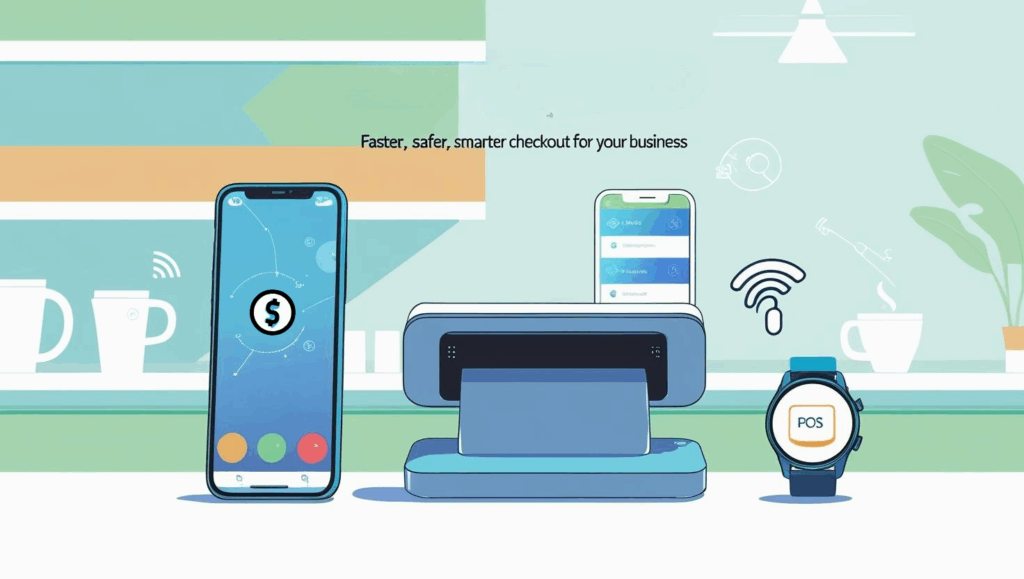
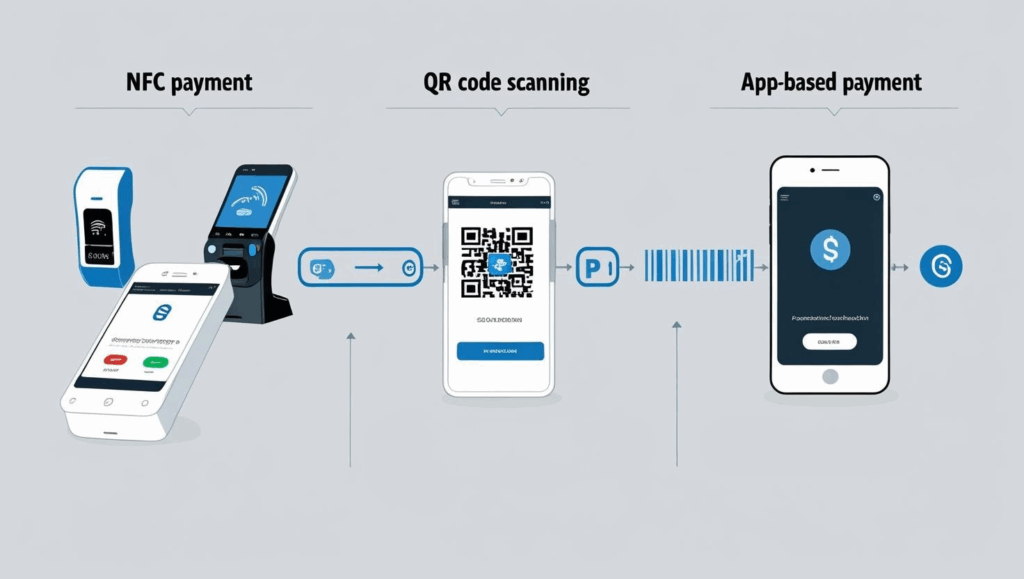
Mobile payment refers to transactions made through smartphones, tablets, or wearables—without needing physical cash or cards. Common types include:
-
NFC payments: e.g., Apple Pay, Google Pay
-
QR code payments: e.g., Alipay, WeChat Pay
-
In-app payments: e.g., Uber, food delivery, and subscription apps
While these technologies differ, they share one goal: to make payments faster, safer, and more seamless.
how does mobile payment work?
nfc payments
-
The user taps or brings a device close to an NFC-enabled terminal
-
Authentication is done via fingerprint, Face ID, or device passcode
-
Payment info is tokenized—meaning it’s encrypted for security and privacy
qr code payments
-
Merchant shows a QR code, or the user scans one to pay
-
Linked wallet or bank account processes the payment instantly
-
Low cost and ideal for small businesses and emerging markets
in-app payments
-
Users save their payment details within an app
-
A payment SDK or API processes the transaction
-
Perfect for subscriptions, e-commerce, and SaaS billing
why should businesses support mobile payments?
-
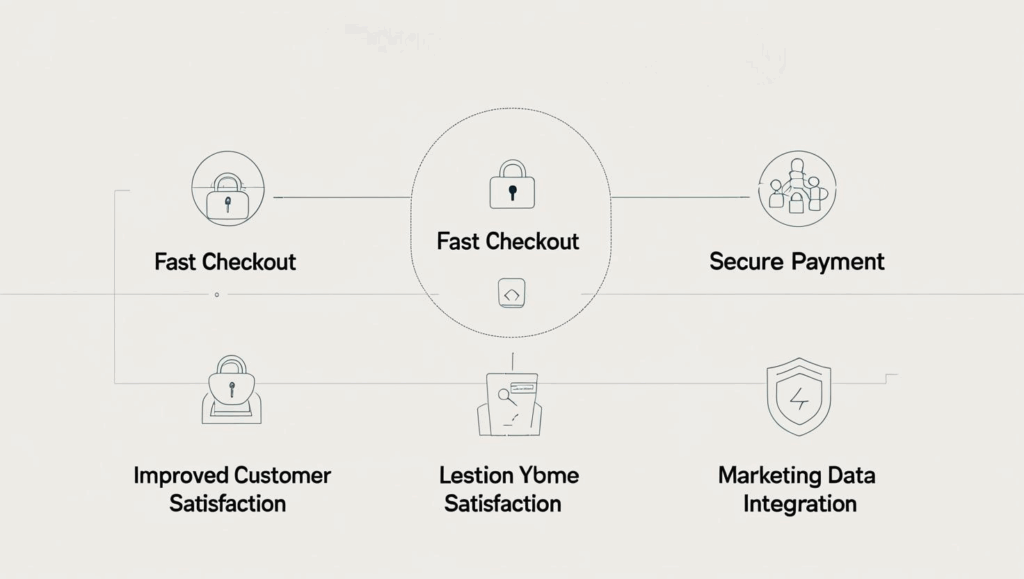
Faster checkout: Quicker than swiping or inserting cards
-
Enhanced security: Biometric ID and tokenization reduce fraud
-
Better customer experience: Gen Z and millennials prefer contactless methods
-
Smarter data: Integrate with loyalty and CRM tools for personalized marketing
what should businesses consider when adopting mobile payments?
-
Terminal readiness: Does your POS system support NFC or QR scanning?
-
User preferences: Are your customers still relying on traditional methods?
-
Regional norms: Wallets dominate in Asia; NFC is more common in the West
-
Fees and settlements: Each method has unique cost structures and payout timelines
It’s recommended to offer backup payment options to serve a broader customer base.
how mobile payments are shaping the future of commerce
Mobile wallets are evolving beyond just payment—they're integrating digital identity, loyalty points, and even crypto support. In this new landscape, mobile payments become a strategic touchpoint between brand and customer.
how buvei empowers mobile-first payments
At Buvei, we provide an end-to-end virtual payment solution tailored for mobile-first businesses:
-
Apple Pay-compatible virtual cards
-
Seamless stablecoin (USDT) top-ups
-
Flexible for ads, subscriptions, and online payment workflows
From retailers to digital platforms, Buvei helps businesses build agile, compliant, and user-centric payment infrastructures.
final thoughts
Mobile payment is no longer a nice-to-have—it’s the new standard for digital commerce. Businesses that adopt early gain the edge in user experience, operational efficiency, and digital competitiveness.
With Buvei, you can confidently embrace the future of payments. 👉 Start your mobile-first payment journey today.