
What Credit Card Fraud While Traveling Abroad Really Looks Like
Credit card fraud while traveling abroad is rarely obvious. It often starts with very small charges that are easy to overlook.
The confusion usually comes from timing. A charge may appear hours or even days later, especially with hotels, transport apps, or booking platforms. In many cases, it’s not fraud but a delayed settlement or temporary authorization hold.
For example, a hotel may place a hold at check-in and finalize it after checkout, which can look like multiple transactions.
This mix of real payment behavior and unfamiliar timing is what makes fraud harder to recognize while traveling.
Why Credit Card Fraud Increases When You Travel Abroad
The main reason fraud risk increases is not carelessness—it’s exposure.
When you travel abroad, your card is used in more environments in a short time: hotels, airports, taxis, restaurants, booking platforms, and small merchants you’ve never interacted with before.
Each of these points introduces a different payment system, and not all of them handle data in the same way.
Public Wi-Fi adds another layer. While most modern payment systems are encrypted, risks can also come from fake booking pages, cloned platforms, or compromised networks that redirect users without obvious warning signs.
In other words, travel doesn’t make payments unsafe by default—it simply increases the number of places where your data passes through.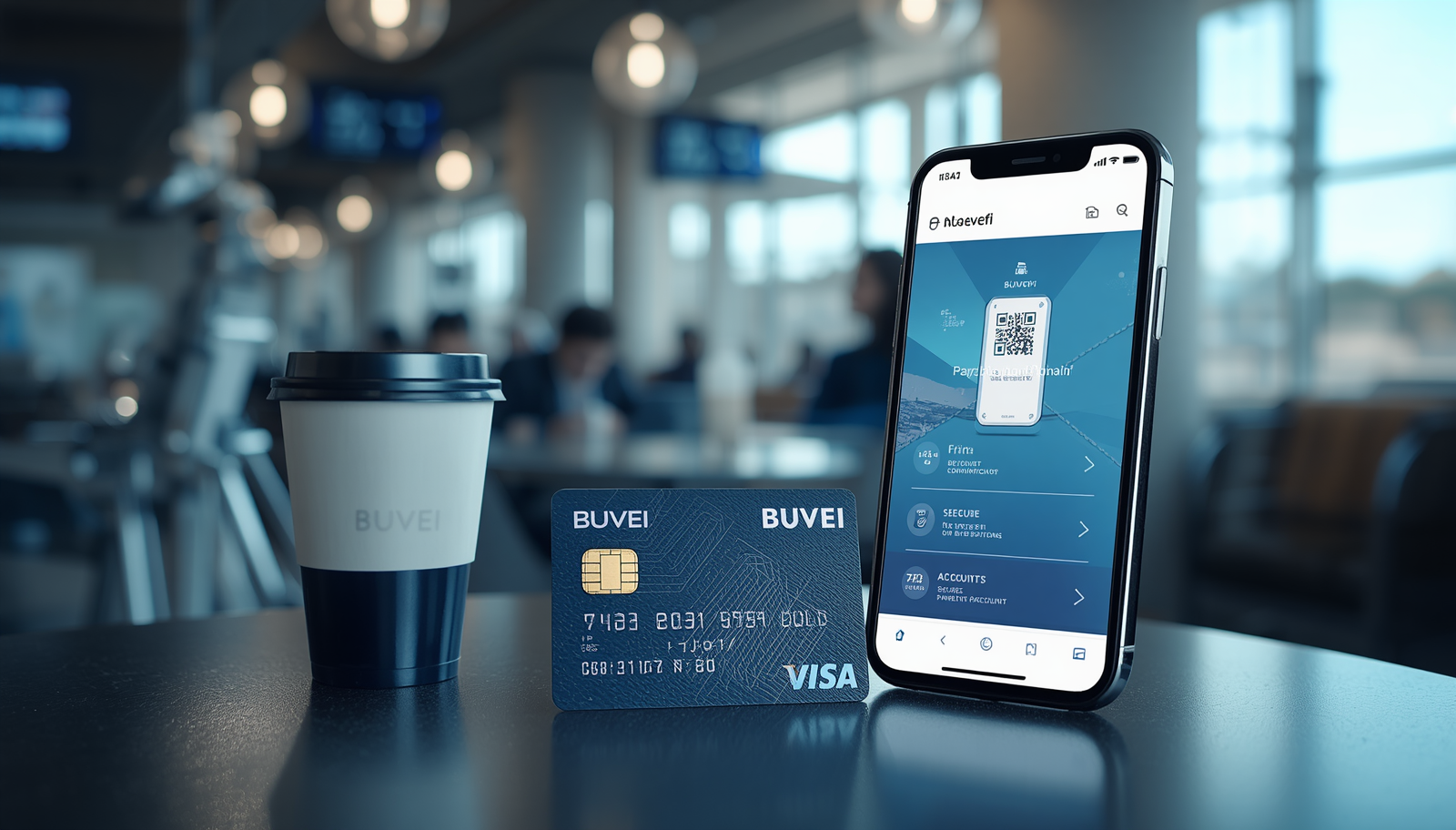
Common Signs of Credit Card Fraud While Traveling Abroad
Credit card fraud while traveling abroad is often subtle at the beginning. Instead of large, obvious transactions, it usually appears as small or unusual activity that is easy to overlook.
Common warning signs include:
- Small “test” transactions from unfamiliar merchants
- Charges appearing in unexpected currencies or locations
- Duplicate or repeated pending authorizations
- Notifications for purchases you don’t recognize
In many cases, these small signals appear before larger fraudulent activity starts. Catching them early makes it easier to stop further damage.

How to Reduce Credit Card Fraud While Traveling Abroad
Reducing risk is less about strict rules and more about limiting unnecessary exposure.
One practical habit is separating payment usage. Many travelers avoid using their primary credit card for every transaction and instead distribute spending across different methods depending on the situation.
Monitoring transactions in real time is also important. When traveling, payments come from different regions and time zones, so early alerts help identify anything unusual before it escalates.
Keeping fraud notifications enabled adds another layer of protection. Banks often detect unusual activity automatically, including small test charges that are used to check whether a card is active.
It also helps to avoid saving card details on travel platforms. While convenient, stored payment information increases exposure if a platform is compromised.
Finally, avoid making financial transactions on public Wi-Fi whenever possible. Mobile data or trusted networks are a safer option for payments abroad.
What to Do If You Suspect Credit Card Fraud While Traveling Abroad
If something looks suspicious, the most important thing is to act quickly.
Start by reviewing recent transactions, including pending charges that may not have fully settled yet. Many cases that look like fraud turn out to be temporary holds or delayed payments.
If you still cannot identify the charge, temporarily freeze your card through your bank or card app.
Next, contact your bank or card issuer to confirm the activity. They can immediately block further transactions and investigate whether the charge is legitimate.
Fast action usually limits the impact, since most fraudulent activity begins with small transactions before escalating.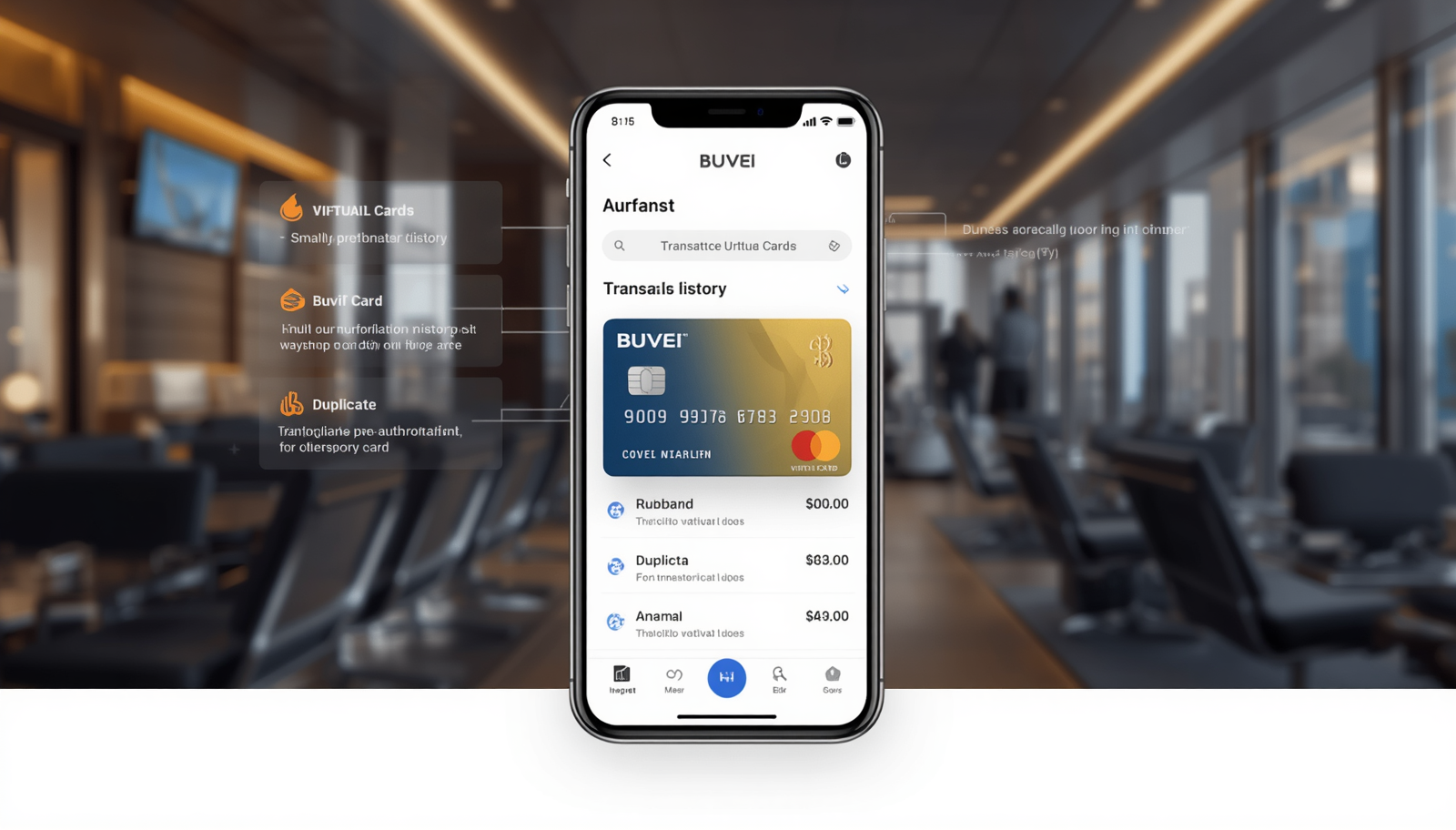
Are Virtual Cards Safer for Credit Card Fraud While Traveling Abroad?
Virtual cards are increasingly used by travelers because they reduce exposure in a simple but effective way.
Instead of relying on one permanent card number, virtual cards allow you to create separate card details for different payments or platforms.
The key benefit is risk isolation. If one virtual card is exposed, it does not affect your main account or other transactions. Each payment is contained within its own limit.
This shifts the approach from protecting a single card to managing exposure per transaction.
Virtual Card vs Traditional Credit Card for Travel Payments
Traditional credit cards concentrate all spending under one fixed number. If that number is compromised, the potential impact can spread across multiple transactions.
Virtual cards work differently. They allow you to generate separate card details that can be used once, limited to a specific merchant, or disabled instantly when needed.
Instead of one central point of failure, risk is distributed across individual payments. For frequent travelers, this creates a more controlled and flexible payment setup.
BUVEI Virtual Card for Safe Travel Payments Abroad
BUVEI Virtual Card is designed for situations where payment exposure is naturally higher, such as international travel, hotel bookings, and cross-border transactions.
Instead of using a single permanent card number, BUVEI allows you to generate virtual cards for specific use cases. This is especially useful when booking through unfamiliar platforms or paying in different countries.
The main advantage is control. You can create separate cards for different bookings or merchants, limit exposure to a single transaction, and disable a card instantly if anything looks suspicious.
In practice, BUVEI makes travel payments more manageable. It can be used for hotel bookings, flight reservations, ride-hailing apps like Uber or Grab, subscriptions, and foreign currency online purchases.
Instead of trying to judge whether every merchant is fully safe, you simply control how much exposure each payment has.
Final Thoughts
Credit card fraud while traveling abroad is not completely avoidable, but it is highly manageable.
The real risk comes from exposure, not from a single point of failure. Once you reduce where and how your card details are used, most common risks naturally decrease.
Virtual cards don’t eliminate fraud entirely, but they significantly reduce the scale of impact when something goes wrong.
In modern travel, that shift—from prevention to containment—is often the most practical form of financial safety.