For many small businesses, solo entrepreneurs, or freelancers just starting out, the process of paying for Facebook Ads—while seemingly simple—can become a major obstacle. Facebook requires an advertising account to be linked to a credit or debit card in order to run ads. However, many users face the following challenges:
-
Inability to obtain a physical credit card
-
Concerns over card security and fraud
-
Restrictions on cross-border payments
-
Difficulty in controlling ad spend precisely
In this context, Virtual Credit Cards (VCC) are emerging as a practical and increasingly popular solution. This article will explore how to link a Facebook Ads account with a VCC, enabling users to start digital marketing campaigns without needing a physical card.
Why VCCs Matter: A Key Tool for Solving Payment Challenges
Limitations of Traditional Payment Methods
While Facebook Ads accepts Visa, MasterCard, and in some regions PayPal, users often encounter issues such as:
-
Difficulties in obtaining a credit card: Students, freelancers, or individuals with limited credit history often find it hard to apply.
-
Cross-border restrictions: Some countries have foreign exchange controls or regional limitations that prevent cards from being used for Facebook transactions.
-
Security concerns: Fear of fraud or data leaks when linking a physical card.
-
Rigid budget control: Difficult to prepay or set precise spending limits using traditional cards.
Key Advantages of VCCs
Virtual credit cards are digitally generated card numbers with an expiration date and CVV code. Their main benefits include:
-
Instant activation: Easily issued via platforms like Buvei, Wise, Payoneer, etc., with minimal documentation.
-
Prepaid and secure: Funds must be loaded in advance, helping avoid overspending.
-
Flexible fund management: Set limits per transaction, expiration dates, usage platforms, and more.
-
Strong privacy protection: VCCs are separated from your main account, minimizing sensitive data exposure.
Real-World Example: A Small Card, a Big Breakthrough
Case: Rina, an independent designer from Indonesia
Rina wanted to promote her handmade jewelry brand but couldn’t launch Facebook Ads due to the lack of a credit card. She turned to Buvei for a virtual card, successfully linked it to her ad account, and ran campaigns across Southeast Asia. In just one month, her sales increased by 300%.
How to Link a VCC to Your Facebook Ads Account
Step 1: Choose a Suitable VCC Provider
Popular platforms include:
-
International: Buvei, Wise, Payoneer, Revolut
-
Local: Certain regional fintech providers also offer VCCs—verify they support Facebook Ads.
Important: Not all VCCs can be successfully linked to Facebook. Some issuers are not compatible with ad payments.
Step 2: Apply for and Activate Your VCC (Using Buvei as an Example)
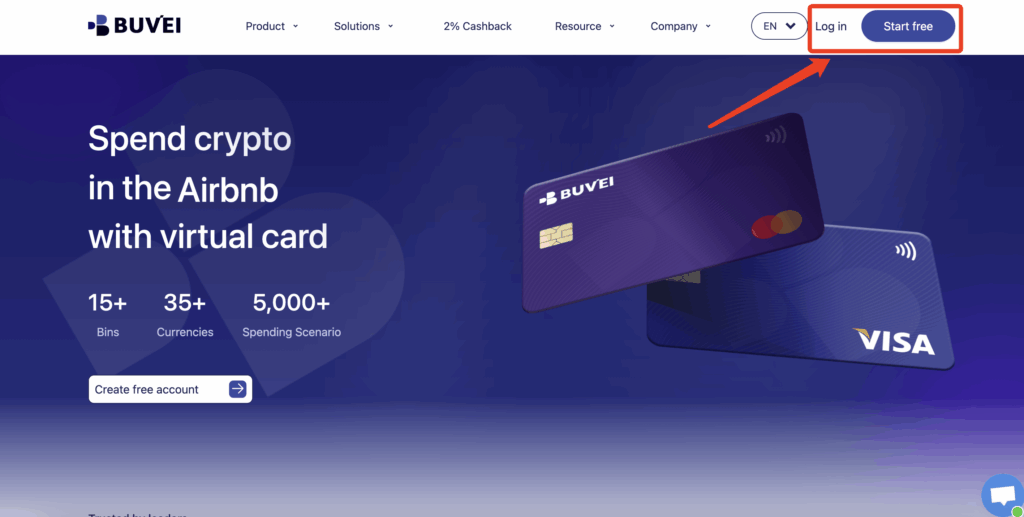
- Visit https://buvei.com and create a free account.
- After email verification, log in to access the Buvei dashboard.
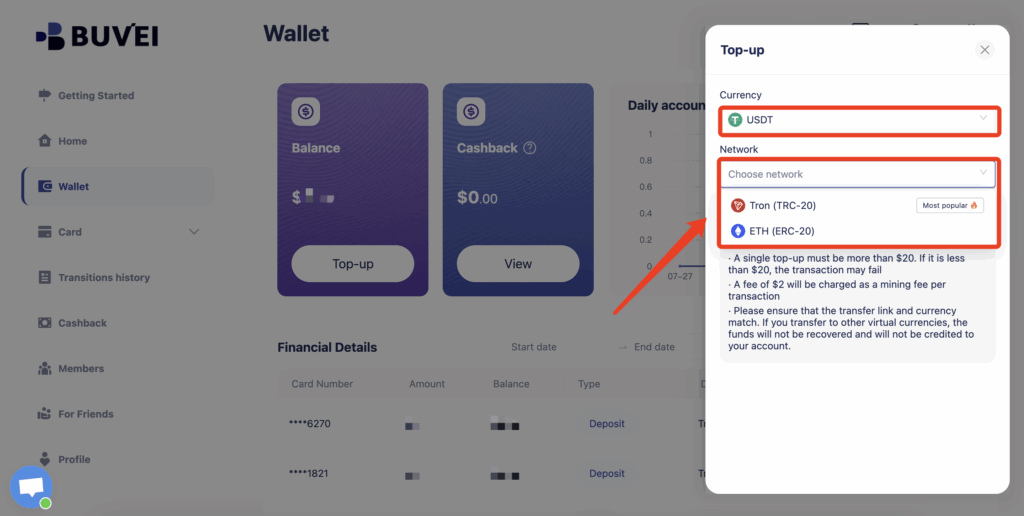
- Navigate to the Wallet tab and top up using supported stablecoins like USDT (TRC20/ERC20). You’ll receive a unique address—copy it and send your funds.
- Once confirmed, your balance will appear in the wallet for immediate use.
Create a Virtual Card
-
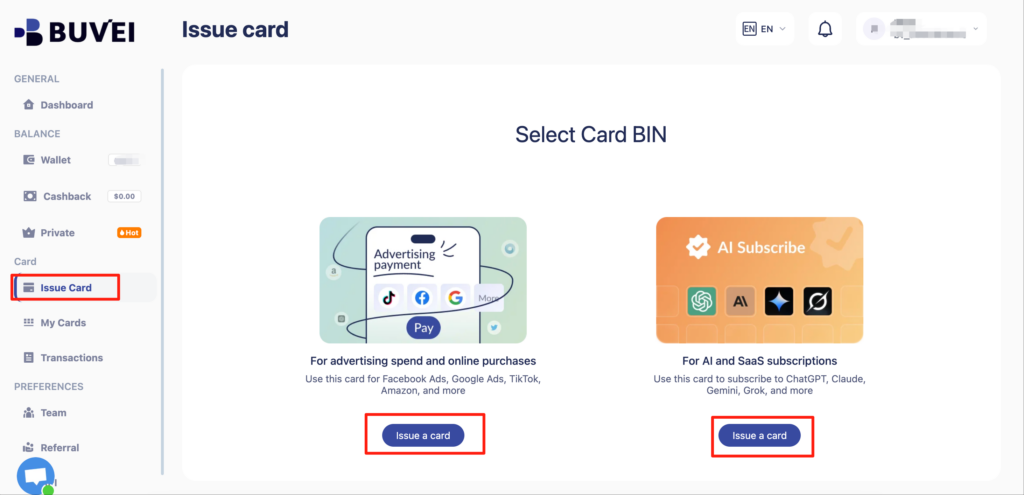
Go to the Card tab
-
Choose your preferred BIN region
-
Select your card type (Visa/Mastercard)
- Click Issue
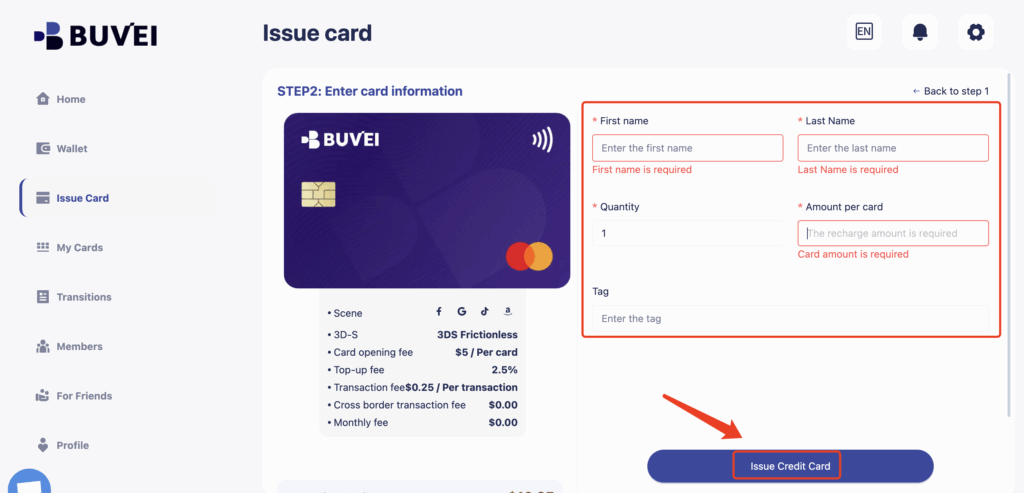
- Fill in the virtual card details, including name, amount, and number of cards.
-
Click Issue Card
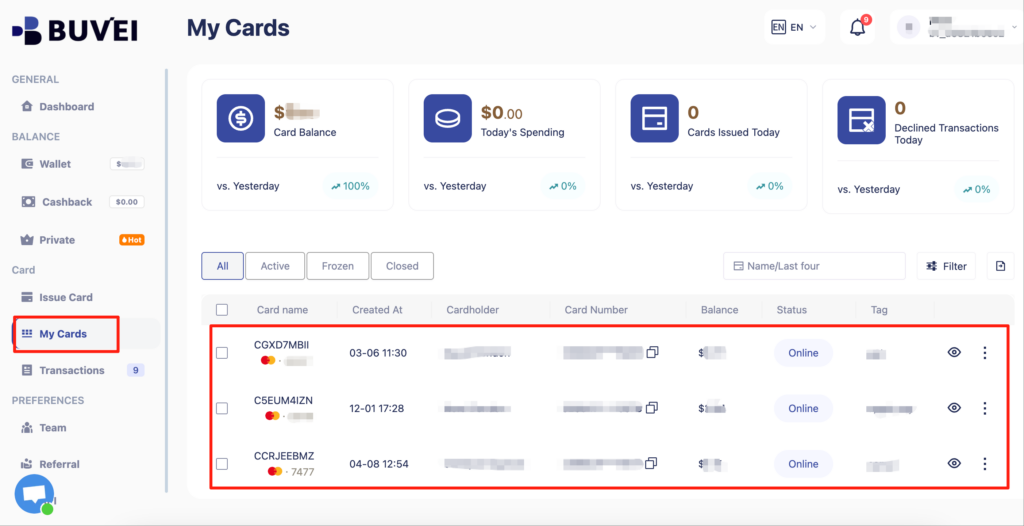
Once created, navigate to My Cards to access your card details:
-
Card Number
-
Expiration Date
-
CVV
Step 3: Add the VCC to Facebook Ads Manager
-
Log in to Facebook Ads Manager
-
Go to Billing & Payment Settings
-
Click “Add Payment Method”
-
Enter your VCC details (number, expiration, CVV, and billing address—must match the card issuer’s info)
-
Submit and start advertising
Understanding Pre-Authorization: The Hidden Critical Step
Many users overlook a key detail—Facebook performs a small pre-authorization charge (usually around $1) to verify the payment method.
Why is this important?
-
If the VCC provider doesn’t support pre-authorization, Facebook may reject the payment method.
-
Choose platforms that explicitly support Facebook’s pre-auth process (e.g., Buvei, Vmcard), which are designed for ad payments and comply with Facebook’s security protocols.
More Real-World Cases: How VCCs Solve Ad Payment Roadblocks
Case 1: Cross-Border Sellers Test More Efficiently
A cross-border e-commerce team in Shenzhen, GlobalTrend, used Revolut VCCs to create multiple ad accounts for different product lines. By setting a $50 daily limit on each card, they tested five product categories simultaneously and optimized budgets based on conversion rates. Their ROI increased by 40%.
Case 2: Privacy Protection for Personal Brands
Jake, a U.S. fitness influencer, used Wise’s single-use VCCs, which generate a new card number for each transaction, eliminating fraud risk. He also used different VCCs for separate ad campaigns, improving tracking and reconciliation.
Best Practices and Tips for Using VCCs
Avoid Common Pitfalls
-
Choose reliable platforms: Some lesser-known providers may trigger Facebook’s risk filters. Opt for trusted names like Buvei and Vmcard.
-
Monitor balances: Facebook charges ad fees daily. Ensure your VCC always has sufficient funds to avoid ad disruption.
-
Keep financial records: Regularly export VCC transaction logs and compare them with Facebook ad billing to catch discrepancies early.
Optimization Tips
-
Multi-card strategy: Use different VCCs for different ad campaigns to track performance and expenses easily.
-
Layered top-up model: Start with a small test budget (e.g., $100), then increase spending as the campaign proves effective.
-
API automation: Some platforms offer API integration to auto-pause ad accounts when balance is low, preventing unnecessary loss.
Democratizing Payments: Leveling the Playing Field for Advertisers
VCCs are more than just a workaround—they represent a key infrastructure for democratizing digital advertising. Platforms like Buvei are lowering the entry barrier, enabling startups and small brands to participate in global marketing. Equal access to payments is the first step toward business innovation.
Whether you’re a freelancer just getting started or a growing cross-border merchant, now is the perfect time to break through payment barriers and unlock your next stage of growth.