According to the Federal Deposit Insurance Corporation’s 2023 survey, only 4.2% of U.S. households were unbanked—marking a historic low since the survey began in 2009. As more consumers gain access to financial services, questions about account details, routing numbers, and payment card identifiers are increasingly common.
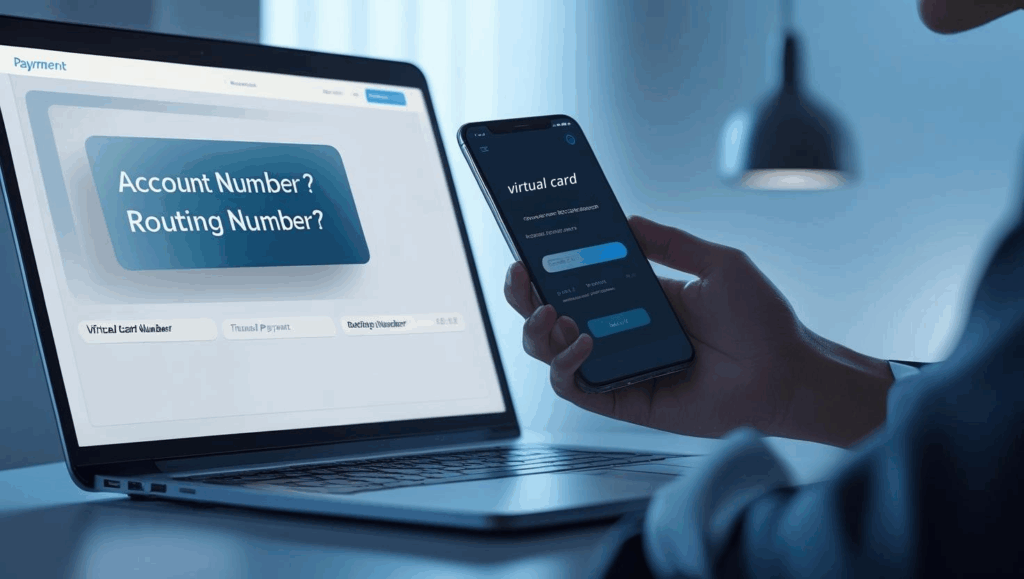
One of the most frequent questions we hear: Do credit cards have routing numbers? The short answer is no—but there’s more nuance worth exploring.
In this article, we’ll cover:
-
What is a routing number?
-
Why don’t credit cards have routing numbers?
-
Where do routing numbers apply in modern finance?
-
How virtual cards from providers like Buvei add an extra layer of security.
What Is a Routing Number?
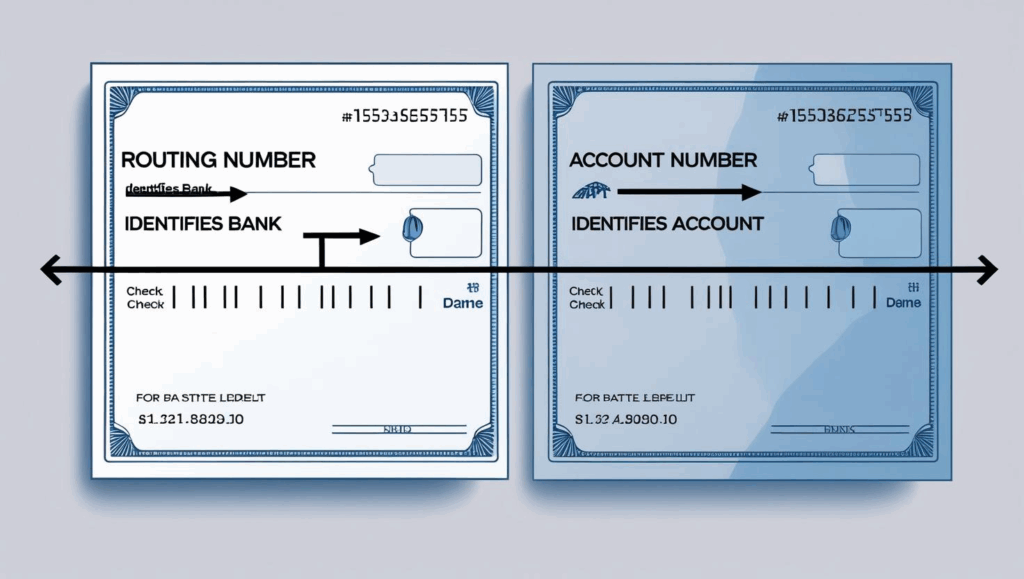
A routing number is a nine-digit code used by financial institutions to identify where a transaction is coming from or going to. Developed by the American Bankers Association (ABA) in 1910, these numbers are also known as ABA routing numbers or RTNs (Routing Transit Numbers).
You’ll typically need a routing number for:
-
Setting up direct deposits
-
Initiating wire transfers
-
Connecting your bank account to a digital wallet
-
Paying bills through ACH (Automated Clearing House)
In most cases, routing numbers apply to checking, savings, or money market accounts—not credit cards.
Do Credit Cards Have Routing Numbers?
No—credit cards do not have routing numbers. That’s because routing numbers are associated with deposit accounts held at banks or credit unions, while credit cards function through payment networks (like Visa or Mastercard) and are issued by financial institutions for credit-based transactions.
While your credit card may show an account number, expiration date, and CVV (Card Verification Value), it does not include a routing number. If you’re trying to link a credit card to a bank account or service requiring a routing number, that’s a red flag—it’s not the right tool for that transaction.
Where Are Routing Numbers Used?
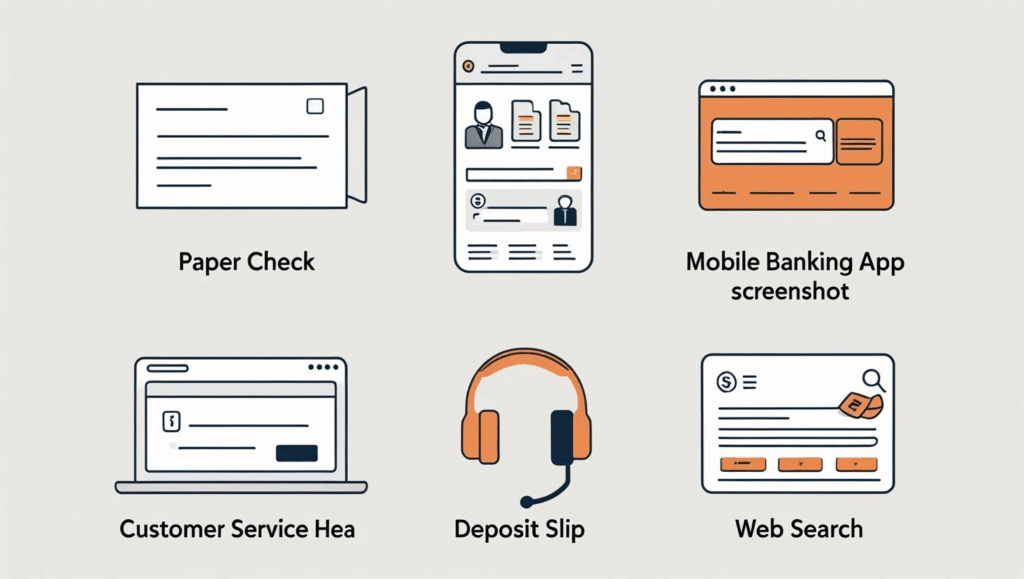
You’ll find routing numbers on:
-
The bottom left of personal or business checks
-
Bank account documents and welcome kits
-
Online banking dashboards or mobile apps
-
Deposit slips and direct deposit forms
They’re most commonly used with:
| Account Type | Purpose |
| Checking Accounts | Direct deposits, bill pay, ACH, overdraft links |
| Savings Accounts | Transfers between accounts, overdraft protection |
| Money Market | Higher-interest savings with occasional transaction needs |
In all of these cases, the routing number ensures your funds are going to or coming from the correct financial institution.
How Virtual Cards Provide an Added Layer of Security
At Buvei, we believe your financial safety shouldn’t rely on static card numbers or account routing details. That’s why our virtual cards are purpose-built for secure digital transactions—especially in high-frequency use cases like:
-
Subscription management
-
Advertising payments (e.g., Meta, Google Ads)
-
Web3-related services (AI tools, SaaS platforms, etc.)
Each Buvei virtual card comes with:
-
A unique 16-digit card number
-
Customizable spending limits
-
Merchant or platform-specific binding
-
Instant card pause or closure
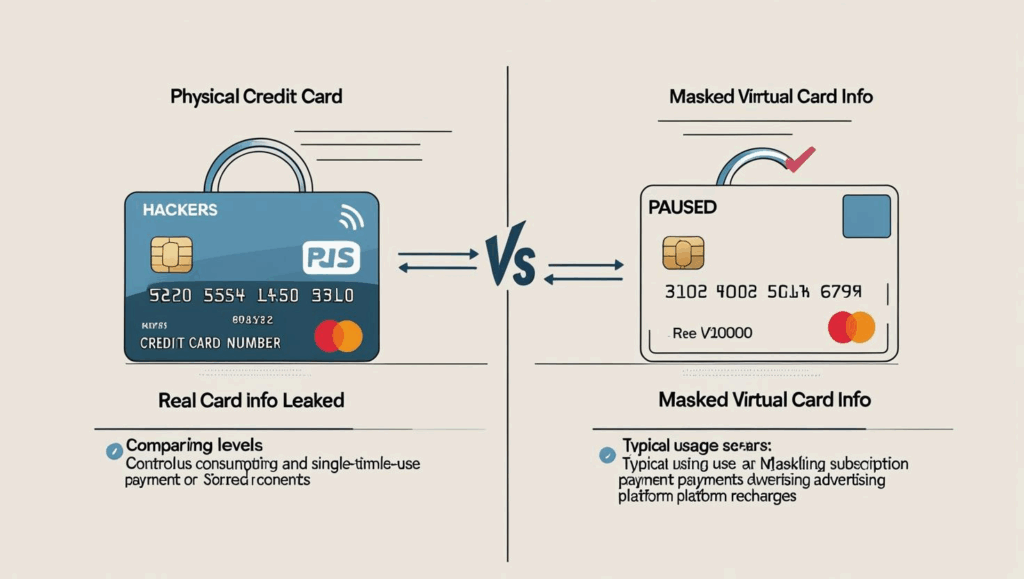
Unlike traditional cards, Buvei virtual cards don’t expose your real account details—making them ideal for risk-sensitive environments and recurring global payments.
👉 Related Read: What is a BIN in Card Transactions?
Why It Matters for Businesses
Routing numbers still matter in enterprise finance, particularly for ACH settlements and payouts. But as the payments industry shifts toward programmable infrastructure, credit-type virtual cards—especially those integrated with spending controls and risk logic—are becoming the standard.
With Buvei, you can:
-
Issue single-use or recurring virtual cards
-
Create merchant-locked cards for ad platforms
-
Enable Web3-compatible payments via card rails
-
Manage API-based programmatic spend allocation
Final Thoughts
While routing numbers remain crucial for legacy banking transactions, they’re increasingly irrelevant in modern digital payments. Credit cards don’t carry routing numbers—and shouldn’t be expected to function like bank accounts.
If you're building a smart, scalable payments operation, Buvei offers the tools you need to stay ahead.
🚀 Ready to modernize your payment infrastructure? Start issuing virtual cards with Buvei in minutes—Get in touch.