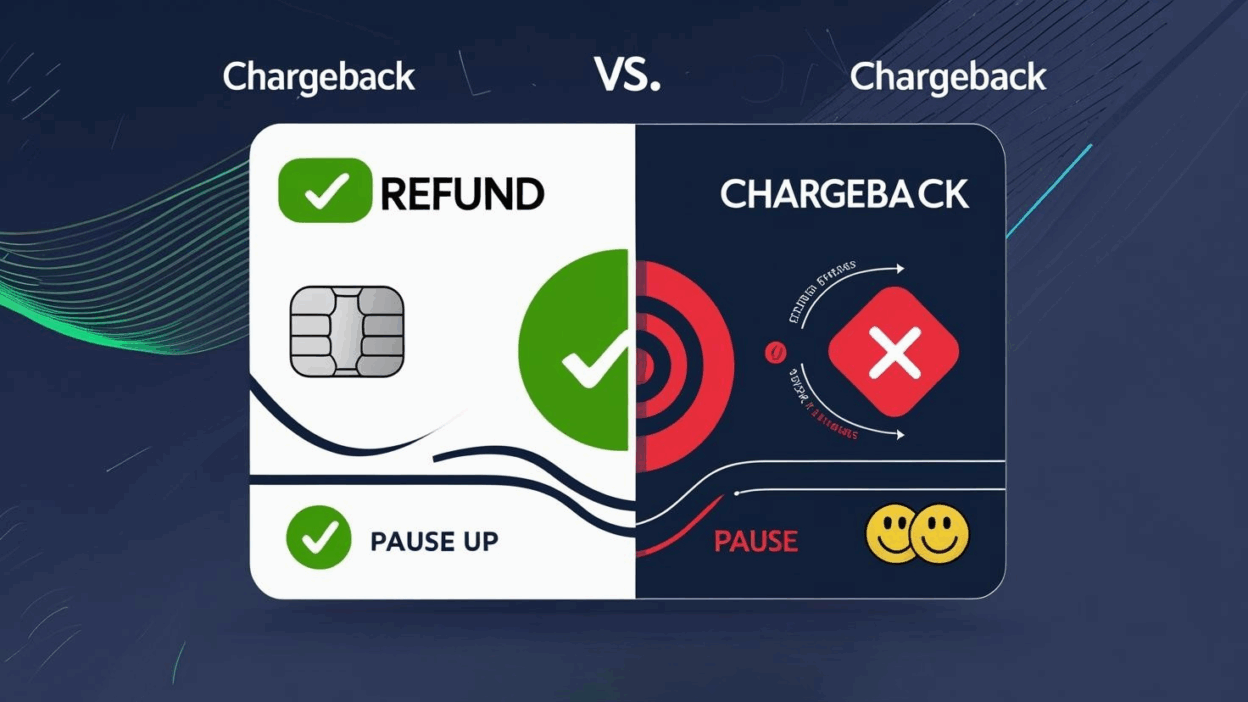
When a customer wants their money back, there are typically two paths: a refund or a chargeback. While both result in funds being returned to the customer, the route taken—and who controls the process—can make a major difference for your business.
At Buvei, we work with businesses building programmable payments infrastructure using virtual cards and APIs. One of the biggest challenges our users face is handling payment disputes efficiently and safely. Understanding the core differences between refunds and chargebacks helps companies design better workflows and prevent revenue loss.
what is a refund?
A refund happens when a business returns money directly to a customer, usually because:
-
The customer canceled the order
-
The product was defective or not delivered
-
A billing mistake occurred
-
A customer requested a cancellation before the service was rendered
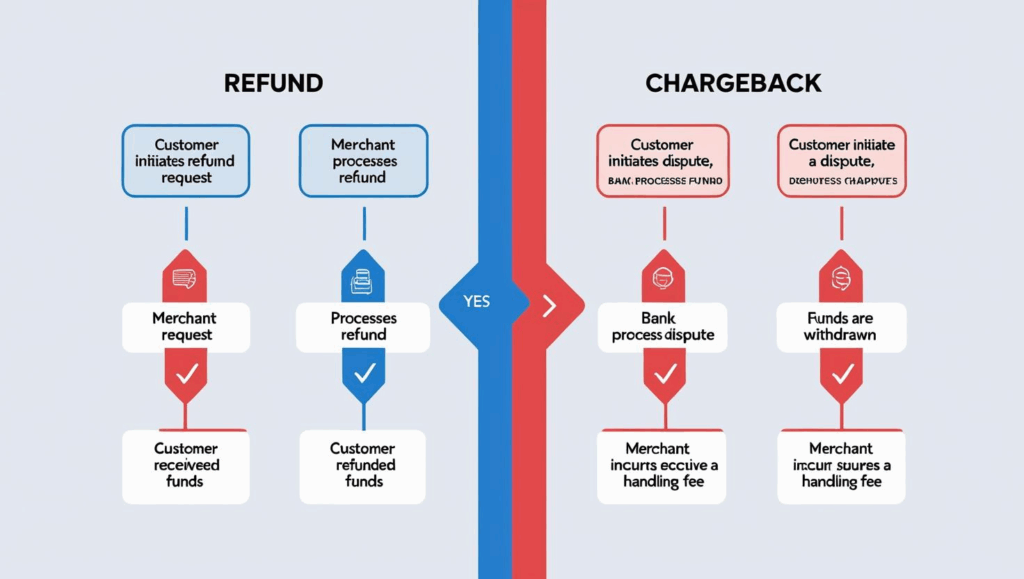
Refunds are initiated by the merchant, usually through a payment processor or platform. They're generally low-friction and lower-cost for both parties when compared to chargebacks.
For example:
If a customer cancels their software subscription before renewal, and your support team processes the refund proactively—that’s a refund.
what is a chargeback?
A chargeback is when the customer contacts their bank or card issuer to dispute a charge, triggering a formal reversal through the card network.
Common reasons include:
-
Fraudulent or unauthorized charges
-
The customer never received the product
-
The business didn’t process a promised refund
-
The customer didn’t recognize the charge
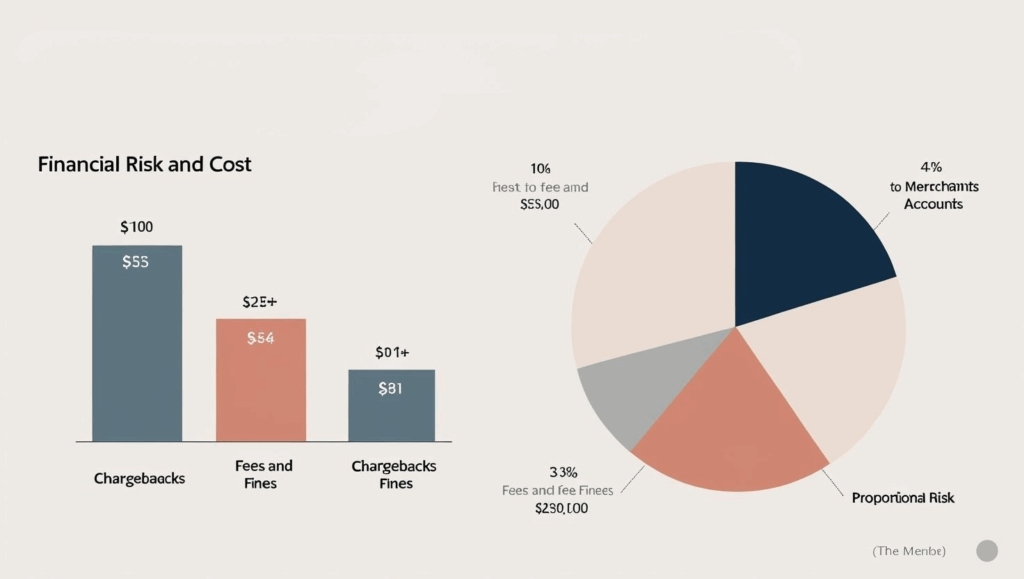
Chargebacks are costly—they come with fees, can increase your dispute ratio, and potentially put your merchant account at risk if thresholds are exceeded.
refunds vs. chargebacks: what’s the difference?
| Criteria | Refund | Chargeback |
| Initiated By | Merchant | Customer (via issuing bank) |
| Control Over Flow | Managed by business | Controlled by banks/networks |
| Fees Involved | Typically none | Chargeback fees + penalties |
| Reputational Risk | Low | High if chargebacks are frequent |
Bottom line: refunds are good customer service, while chargebacks are a last resort and should be avoided when possible.
how buvei helps you reduce chargebacks and automate refunds
Many chargebacks happen because the refund wasn’t processed in time—or because customers didn’t have an easy way to resolve the issue. With Buvei’s programmable payment infrastructure, you can design better post-payment experiences.
-
Real-time spend limits: Automatically restrict risky transactions before they occur.
-
Card freezing: If a dispute is likely, instantly freeze the customer’s virtual card to prevent repeat billing.
For example, if a customer forgets to cancel a trial, your system can auto-refund the payment when they request it—avoiding a chargeback altogether.
final thoughts
Disputes are inevitable—but they don’t have to be painful. Educating your team on the difference between refunds and chargebacks is the first step. Building smart workflows that prioritize refunds and avoid chargebacks will protect both your revenue and your customer relationships.
📨 Want to reduce chargebacks and streamline refunds with programmable payments? Buvei helps teams build secure, API-driven payment systems with dispute protection in mind. 👉 Talk to us today →