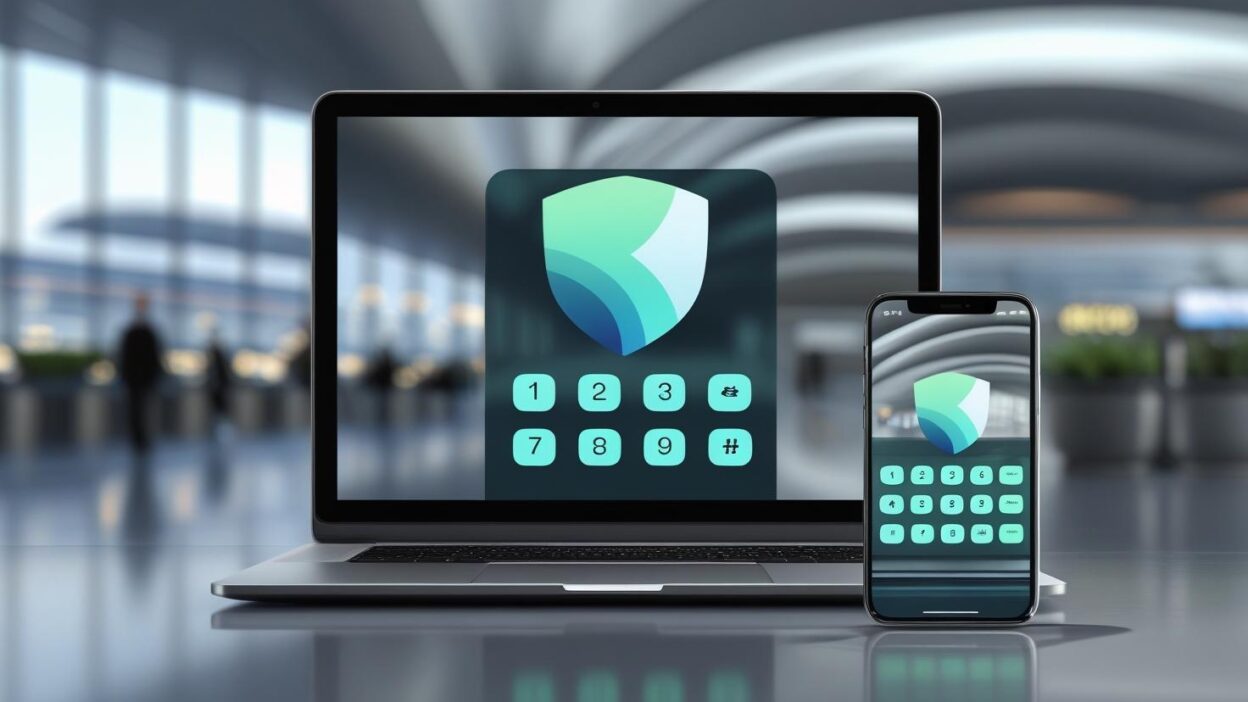
In today’s digital-first payment ecosystem, a four-digit PIN (Personal Identification Number) is more than just an ATM access code — it's a critical layer of identity verification across sensitive financial transactions. From ATM withdrawals and international purchases to secure virtual card usage, PINs help businesses and individuals safeguard funds and reduce fraud exposure.
Let’s explore how PINs fit into modern payment security, and how virtual card platforms like Buvei are enabling smarter, PIN-based controls for businesses.
What Is a PIN Code in Payments?
A PIN (Personal Identification Number) is a numeric passcode that validates a user's identity before completing a financial transaction. It’s widely used for:
-
ATM withdrawals (debit or credit)
-
International in-person transactions (especially in EMV chip-and-PIN countries)
-
Virtual card protection for high-risk or high-value transactions

When Do You Need a Credit Card PIN?
While many online and in-store payments today use contactless, signature, or tokenized methods, there are still critical moments when PIN entry is required:
-
ATM Cash Advances: Required for credit card cash withdrawals
-
Travel Abroad: In countries like France, Germany, or Japan, EMV PIN terminals are common
-
High-Security Corporate Payments: PINs add an extra layer for ad spending, supplier payouts, or subscription controls
Why You Don’t Always Need a PIN
In everyday use, most credit card payments are verified through alternative security layers:
-
EMV chip + signature
-
Contactless tap-to-pay
-
Biometric verification (Face ID, fingerprint)
-
Two-factor authentication (2FA)
These frictionless methods optimize the checkout experience. But for critical cash or cross-border flows, PIN security is non-negotiable.
Credit Card PIN vs. Debit Card PIN
| Feature | Debit Card PIN | Credit Card PIN |
| Use Case | Daily purchases, ATMs | ATM cash advances, international POS |
| Linked to | Bank account | Credit line |
| Frequency | Frequent | Occasional |
| Key Benefit | Secure access to funds | Protects high-risk transactions |
How to Set and Manage Your PIN
Setting or updating your PIN is easy — most banks and virtual card platforms support:
-
Online dashboards or mobile apps
-
ATMs (for physical cards)
-
Customer support (for resets)
🔒 Always avoid using birthdays, repeating digits, or obvious patterns. Change your PIN immediately if compromised.
Why Businesses Should Use PIN Controls
Beyond individual security, PINs offer operational advantages for finance teams:
-
Assign employee-specific PINs to control spend authority
-
Require PIN confirmation for cross-border or flagged transactions
-
Lock cards instantly if misuse or risk is detected
-
Log and audit PIN usage for compliance
Beyond PINs: Other Powerful Verification Methods
While PINs are effective, they work even better with multi-layer security:
| Method | Use Case | Buvei Support |
| Contactless payments | Retail/online checkout | ✅ |
| 2FA (OTP, biometrics) | Online purchases, logins | ✅ |
| Tokenization | Mobile wallet transactions | ✅ |
| Virtual cards | One-time use cases, subscription control | ✅ |
Why PIN Security Still Matters
PINs remain a reliable, low-friction solution to reduce fraud risk — especially as synthetic identity fraud, AI phishing, and unauthorized cash access increase globally.
With smart PIN policies in place, businesses can:
-
Reduce false chargebacks
-
Comply with cross-border card security protocols
-
Boost accountability in team transactions