While card skimming and phishing scams dominate the headlines, a more subtle threat—triangulation fraud—is gaining momentum in eCommerce. This multi-party fraud tactic exploits legitimate sellers and unsuspecting shoppers, causing financial damage that’s hard to trace.
In this article, we’ll break down how triangulation fraud works, what red flags to watch for, and how Virtual cards can serve as a powerful shield to protect your payment details online.
What Is Triangulation Fraud?
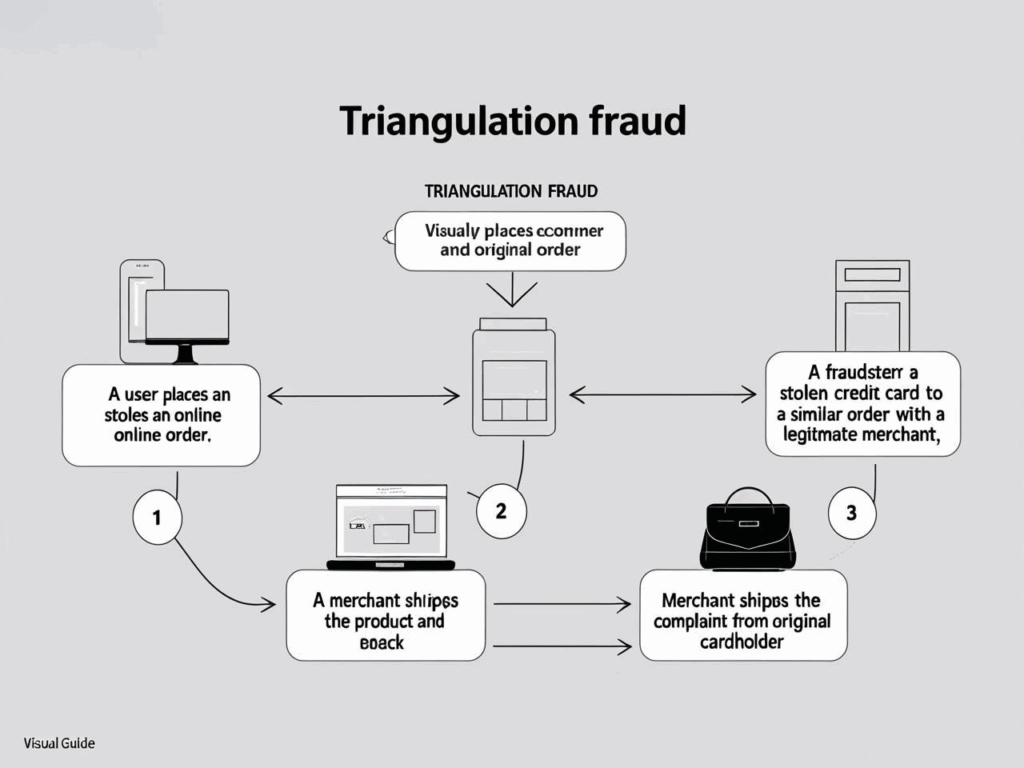
Triangulation fraud is a deceptive scheme involving three main parties:
-
You, the customer
-
A scammer, running a fake storefront
-
A legitimate merchant, unknowingly fulfilling a fraudulent order
Here’s how it typically unfolds:
-
You purchase an item from what looks like a legit online store (often heavily discounted).
-
The scammer uses stolen credit card data to order that item from a real merchant.
-
The merchant fulfills the order and ships it directly to you.
-
Meanwhile, the original cardholder disputes the charge, and the scammer disappears with your payment and potentially your data.
While you receive the product, your credit card info might now be in criminal hands—and another person’s financial loss is now part of a broader chain of fraud.
Why It’s Dangerous: Who Gets Hurt?
Triangulation scams may appear harmless to shoppers, but they can cause significant damage across the board:
▪ Victims of stolen credit cards
Cardholders whose data was used are left fighting to recover unauthorized charges.
▪ Buyers (you)
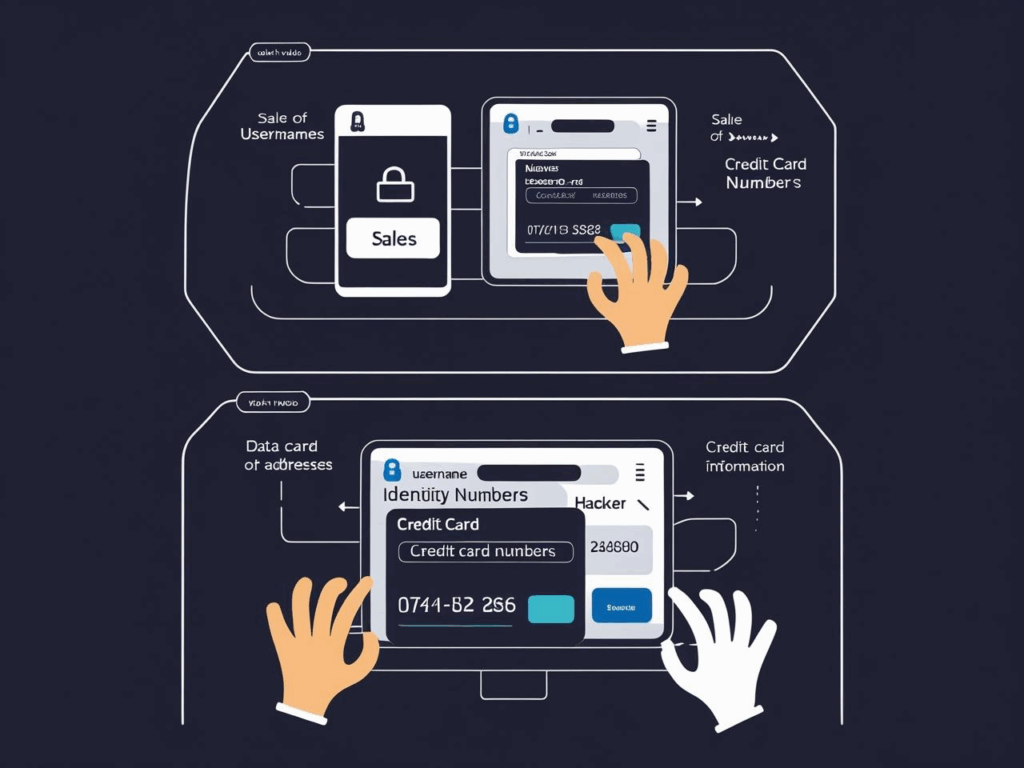
Your name, card info, and shipping address may now be sold on the dark web or used in future scams.
▪ Legitimate businesses
They bear the brunt of chargebacks, merchandise loss, and reputational damage.
How To Spot a Triangulation Scam
Triangulation fraud is difficult to detect—but not impossible. Here's what to watch out for:
-
Unrealistic discounts on trending or branded products
-
New or unverified seller accounts on marketplaces
-
Shipping labels with unfamiliar names or mismatched addresses
-
A seller requesting payment via wire transfer or crypto outside the main platform
-
No customer support or refund policy
You can check site age (via WHOIS), past activity (on Wayback Machine), or seller reviews on Trustpilot or BBB. Always be cautious of "too good to be true" listings.
Why Virtual Cards Are a Key Line of Defense
Using Buvei virtual cards provides a critical layer of protection in triangulation fraud scenarios:
🔐 One merchant = one card
Buvei lets you lock cards to a specific website or merchant, ensuring even if stolen, it’s useless elsewhere.
⏳ Auto-expiration
Cards can be set to expire after one use, preventing reuse in future attacks.
📊 Per-card limits
Define how much can be charged. If a fraudster tries to exploit the card, the transaction will be denied.
🛑 Instant freeze
You can pause or close a card the moment suspicious activity is detected—without touching your actual bank account.
How To Use Buvei to Stay Protected
-
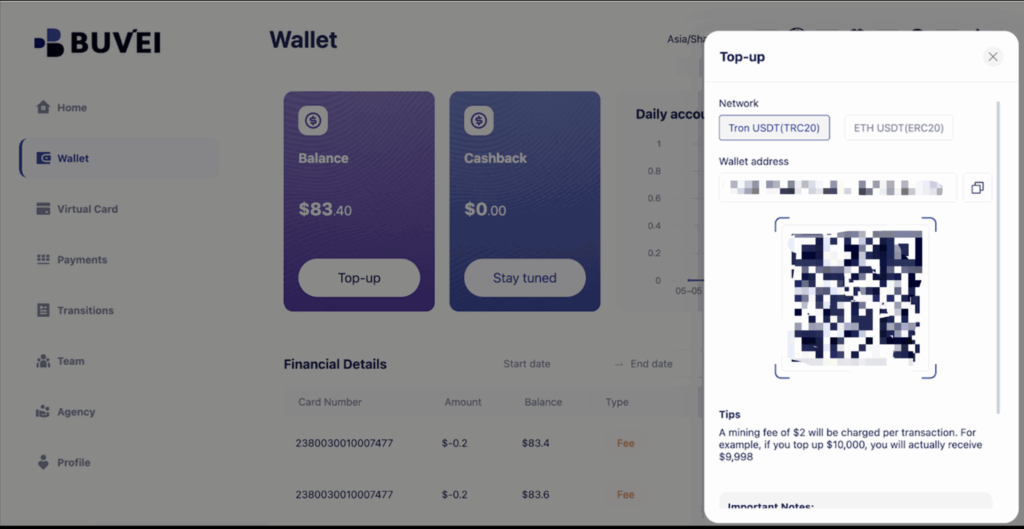
Create your Buvei account and top up using USDT (TRC20/ERC20)
-
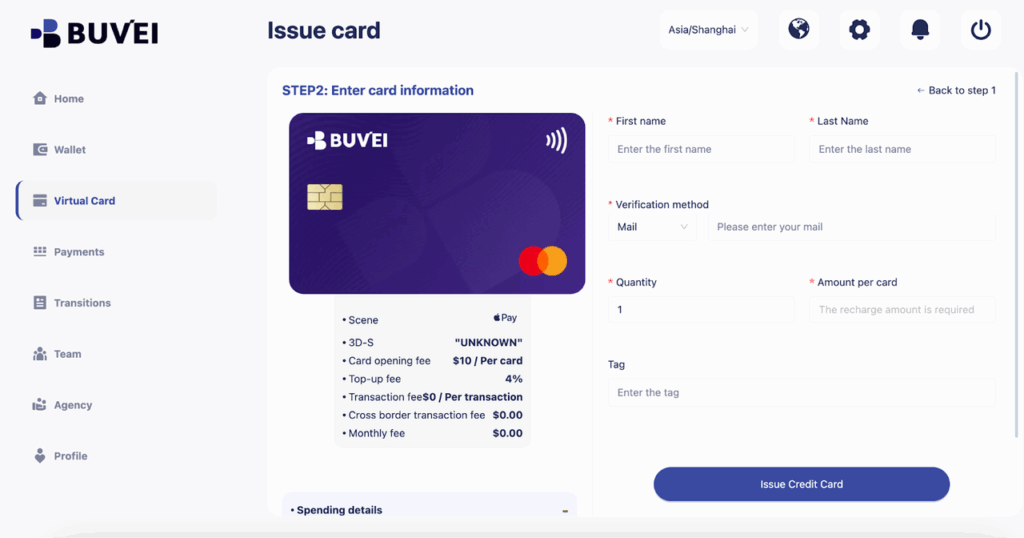
Generate a Merchant-Locked Card before shopping on any new platform
-
Label cards by use case, e.g., "Amazon – July" or "Etsy Gadgets"
-
Set transaction caps and auto-expire after purchase
-
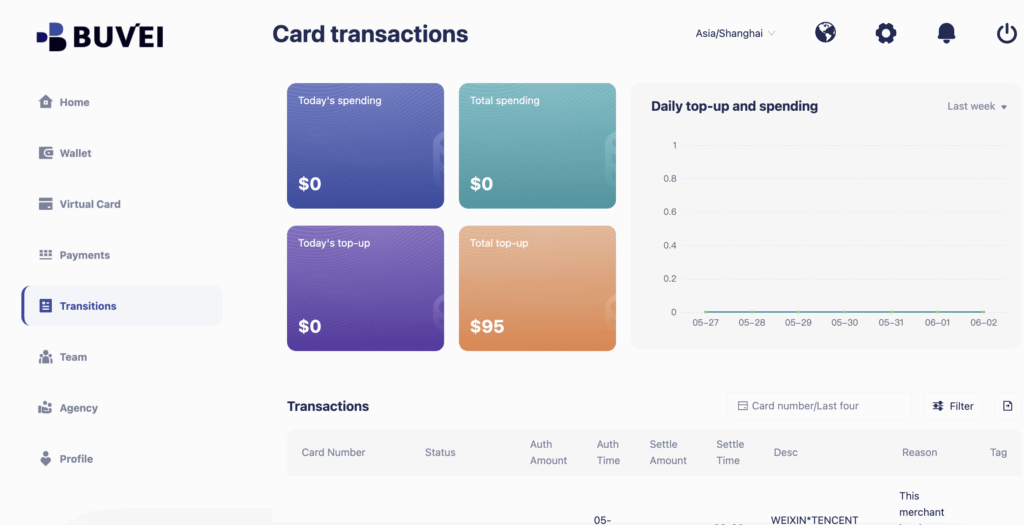
Monitor transactions from your Buvei dashboard in real time
Unlike traditional cards, Buvei lets you create multiple programmable virtual cards, each with unique control rules.
Stay Fraud-Safe With Buvei
Triangulation fraud is difficult to reverse once it happens, so the best strategy is prevention.
-
Use Buvei virtual cards instead of your real debit/credit card
-
Never share your full payment info with unfamiliar sites
-
Report suspicious sellers or transactions immediately
-
Review your card statements regularly
Whether you’re managing online purchases or enabling safer payments for your team, Buvei gives you programmable, crypto-backed payment security that outsmarts modern fraud tactics.
👉 Get your first Buvei virtual card today and shop online with confidence.
Frequently Asked Questions (FAQ)
-
What’s the difference between triangulation fraud and regular credit card fraud?
Triangulation fraud is more deceptive than standard card fraud. In this case, you actually complete the purchase and receive the product, but it was ordered by a fraudster using someone else’s stolen card. You become an unwitting participant in the scheme. In contrast, typical credit card fraud involves unauthorized transactions made directly with your card without your consent.
-
How can I tell if I’ve been part of a triangulation scam?
Warning signs include:
-
Your package arrives with someone else’s name on the shipping label
-
You bought from an unknown seller, but the item is shipped by a known brand
-
You get suspicious calls or emails asking to “verify” your order
-
Your card shows unrecognized transactions shortly after the purchase
-
Will I be held legally responsible if I receive a product involved in triangulation fraud?
Generally, you’re not legally liable if you unknowingly received goods in a triangulation scam. However, you may be asked to cooperate in any investigation. If you knowingly buy from shady or too-good-to-be-true sellers, you could risk being considered complicit.
-
Can Buvei virtual cards completely prevent triangulation fraud?
While Buvei virtual cards can’t stop triangulation fraud from happening, they offer powerful protection by hiding your real card details, limiting spending, and allowing instant freezing or deletion. This significantly reduces the risk of your financial data being reused or exposed in future fraud.
-
Can I use Buvei virtual cards on international marketplaces?
Yes. Buvei offers Visa and Mastercard virtual cards that work on global platforms like Amazon, eBay, AliExpress, Shopee, and more. They’re ideal for cross-border payments, online subscriptions, and freelance transactions—especially when paired with USDT-based top-ups.