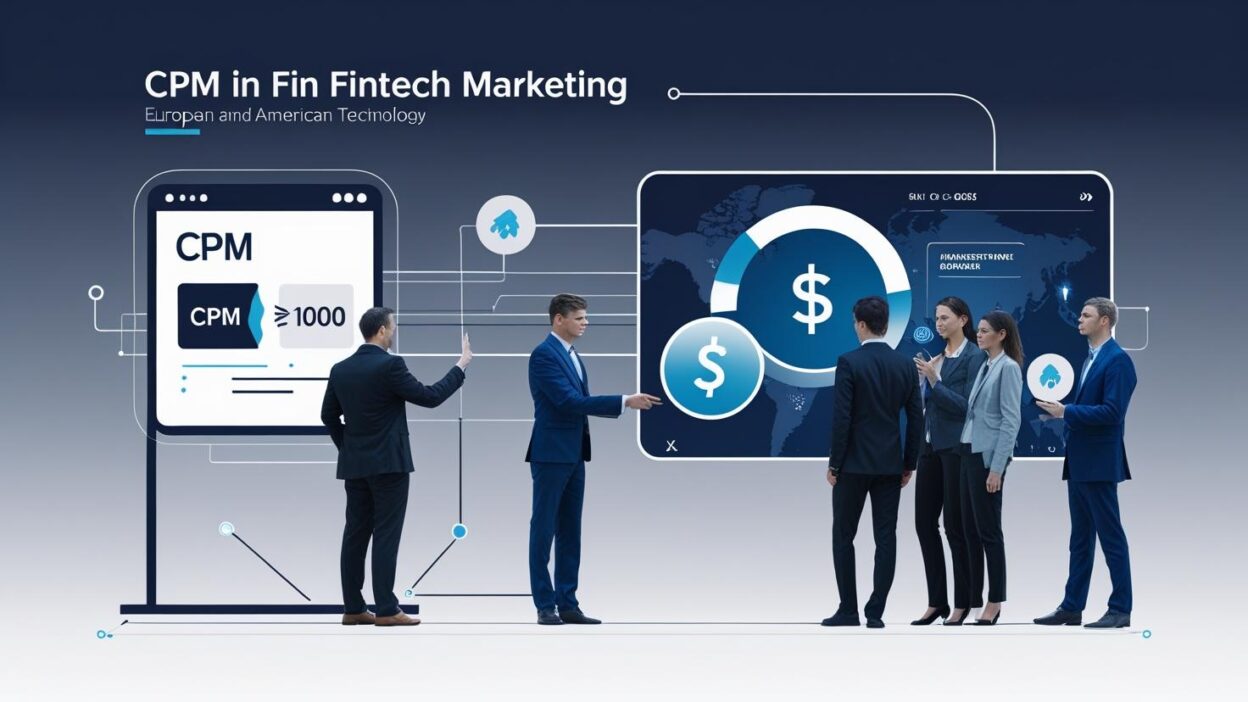
In the fast-evolving world of digital advertising, CPM (Cost Per Mille)—the cost per thousand impressions—may seem like a holdover from a bygone era, especially when compared to performance-driven models like CPC (Cost Per Click) or CPA (Cost Per Acquisition). But for companies in the payments industry, where trust, visibility, and long sales cycles matter, CPM remains a critical metric.
As a payment technology company, understanding how CPM works can help you align your marketing investments with long-term strategic goals like brand recognition, ecosystem visibility, and top-of-funnel acquisition—especially in complex journeys like cross-border payments, stablecoin settlement, and enterprise API onboarding.

What Is CPM?
CPM (Cost Per Mille) is an advertising pricing model where you pay for every 1,000 impressions—regardless of whether the ad is clicked or not.
-
"Mille" is Latin for 1,000.
-
An "impression" refers to a single view of your ad.
Formula:
CPM = (Total Ad Spend ÷ Total Impressions) x 1000It’s simple, scalable, and still the foundation of most display, programmatic, and social advertising networks.
Why Use CPM? Strategic Value in ≈
CPM is especially relevant for fintech and payment providers aiming to build trust, enter new markets, or promote emerging capabilities like stablecoin settlement or payout APIs. In early-stage campaigns where conversions take time—such as with B2B clients or regulated financial institutions—brand exposure plays a vital role in shortening the decision-making cycle.
For example, Buvei, a global payment infrastructure platform, leverages CPM-driven campaigns to introduce its compliance-ready crypto settlement and real-time payout solutions to enterprise users in new regions. By prioritizing visibility across fintech and developer ecosystems, Buvei not only raises product awareness but also establishes a foundation of credibility and regulatory alignment—critical in markets where trust precedes integration.
CPM, in such cases, becomes more than an ad metric—it becomes a strategic tool for scaling adoption and nurturing high-value leads over time.
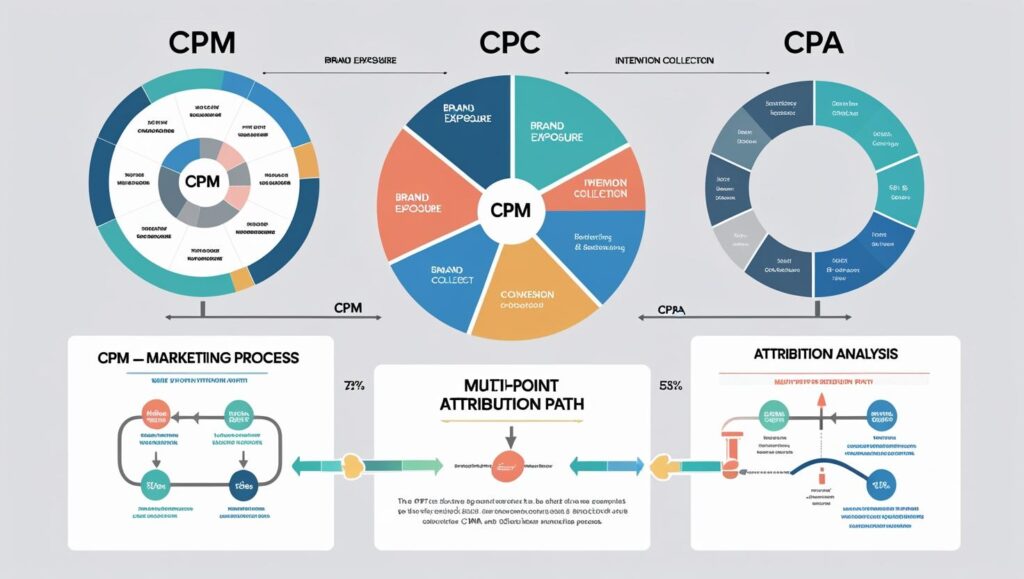
🔍 CPM vs. CPC vs. CPA: When to Use What
If your campaign goal is scale and visibility, CPM is the most efficient way to reach broader audiences early. For direct conversion and ROI, CPC or CPA can help, but they often benefit from a CPM-powered top-of-funnel warm-up.
How to Measure CPM Effectiveness
A CPM campaign is only as good as the contextual signals and measurement stack behind it. Consider layering in:
-
Viewability Rate: How many impressions were actually seen?
-
Click-Through Rate (CTR): While not the main metric, it reflects ad creative relevance.
-
Cost Per Viewable Impression (vCPM): A more accurate way to track actual exposure.
-
Post-View Engagement: Track on-site behavior like session time, bounce rate, or branded search.
Especially in fintech or B2B journeys where users require multiple exposures before action, these signals provide valuable insight.
The Role of CPM in Multi-Touch Attribution
Even if your primary KPI is CPA (like merchant signups or API activations), CPM plays a powerful supporting role:
-
Retargeting Activation: Populate remarketing lists with high-intent audiences.
-
Post-View Attribution: Especially useful in iOS or privacy-restricted ecosystems.
-
Awareness in Long Sales Cycles: For regulated or enterprise-level buyers, CPM warms the market over time.
In the payments and fintech space, where product understanding, compliance assurance, and trust are required before integration, CPM is not just useful—it’s often essential.
Conclusion: CPM Is a Long Game, but a Strategic One
CPM isn’t about instant conversions. It’s about planting seeds.
In markets where brand perception, security, and regulatory compliance matter—like payments, stablecoins, and embedded finance—smart exposure leads to smarter adoption.
Used strategically alongside CPC and CPA campaigns, CPM strengthens your overall demand generation framework. Whether you’re introducing a new payout system, showcasing your API suite, or entering a new market, CPM helps you start the conversation at scale.
Looking to scale trust-driven, compliance-ready crypto payment solutions?