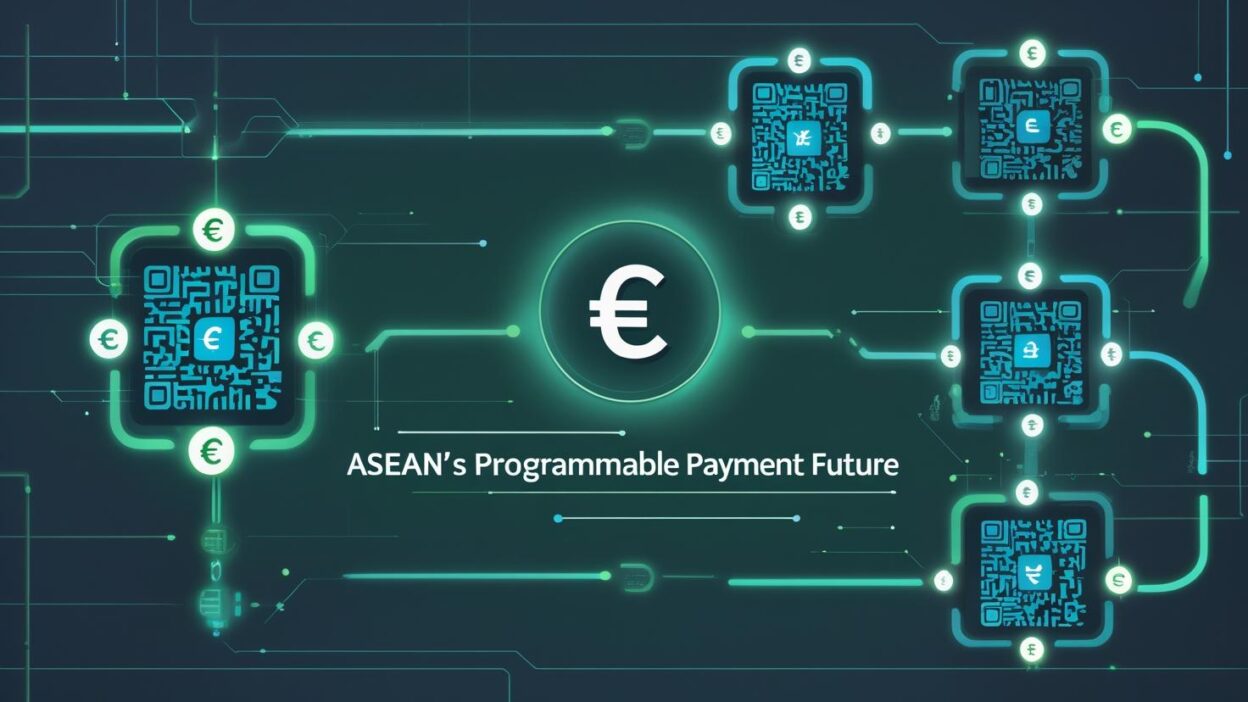
As Southeast Asia evolves into a sandbox for cross-border financial innovation, 2025 is shaping up to be a milestone year. Two long-anticipated fintech developments are converging: interoperable QR code payments and regionally pegged stablecoins.
These technologies are no longer theoretical. Retail-focused QR systems are being integrated across ASEAN countries, while regulators are testing programmable digital currencies designed to reduce remittance costs and streamline SME transactions. For payment platforms like Buvei, this shift marks an opportunity to support a new wave of real-time, low-cost, and compliance-ready payment flows.
ASEAN Payment Integration via QR Networks
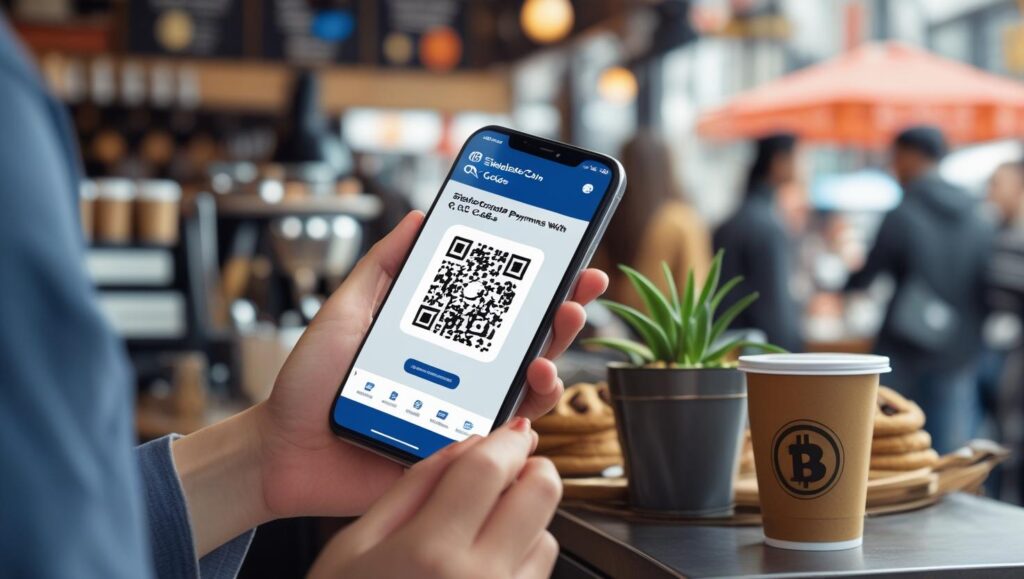
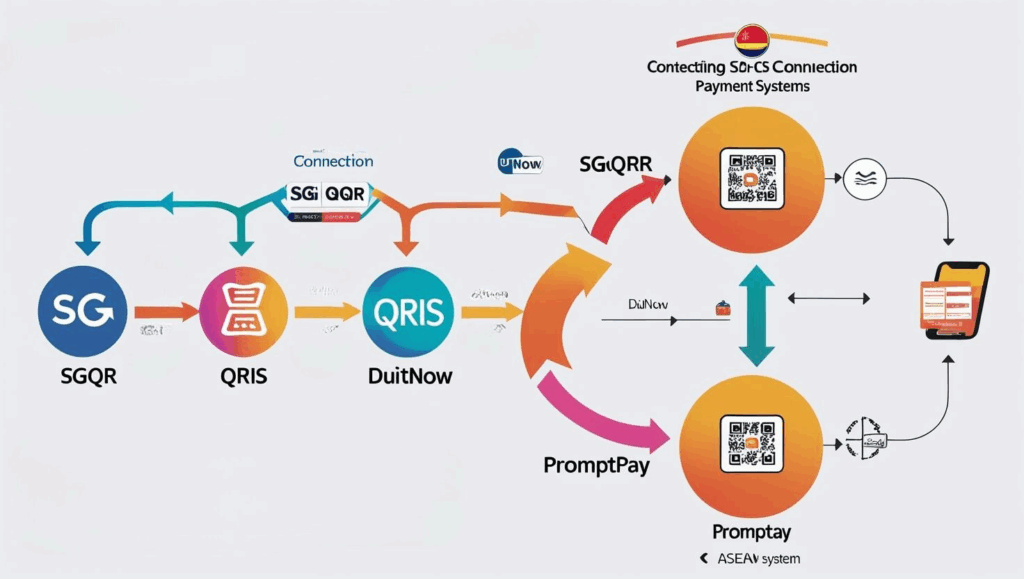
Until recently, QR payments in Southeast Asia remained highly localized. But the ASEAN Cross-Border QR Code Payment Initiative, launched in stages since 2022, is changing that.
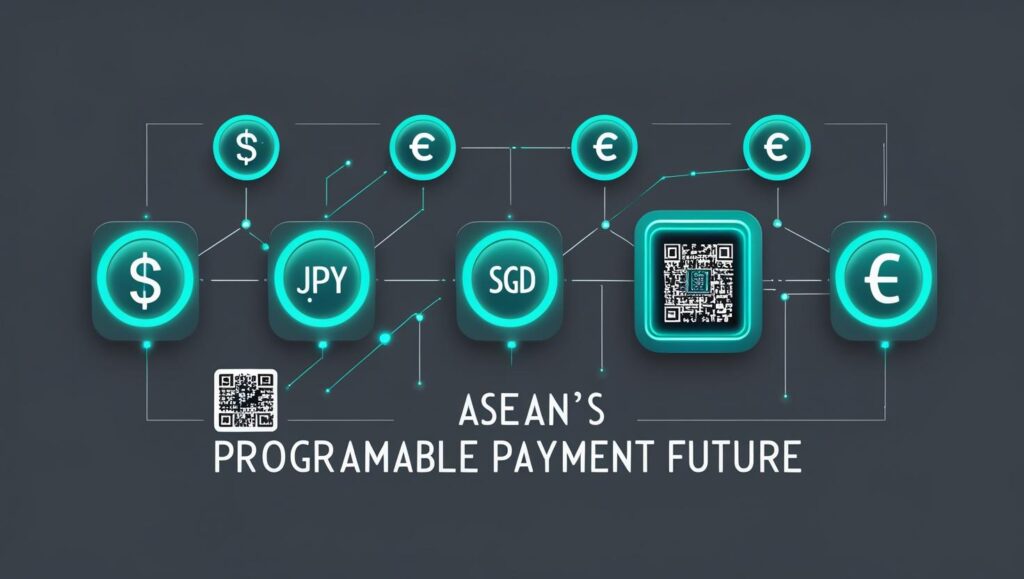
Countries like Singapore, Indonesia, Thailand, and Malaysia are now connecting bilateral QR frameworks—SGQR+, QRIS, DuitNow, PromptPay—to enable direct, cross-border retail payments in local currencies. These transactions can be settled instantly, bypassing traditional intermediaries and foreign exchange fees.
Buvei sees this trend as foundational to the region’s payment fabric. By aligning virtual card BIN routing and stablecoin funding with local wallets and QR payment rails, platforms can unlock seamless merchant payments across borders.
Regional Stablecoins: From Pilot to Programmability
In parallel, central banks such as MAS (Singapore), Bank Negara Malaysia, and Bank of Thailand are piloting programmable money—tokenized vouchers pegged to fiat currencies and governed within regulated systems.
Unlike volatile cryptocurrencies, these stablecoins are designed for compliance and utility. Features like time-locked disbursements, transaction constraints, and auditable smart contracts make them ideal for retail and SME use cases—from payroll to merchant settlement.
Paired with QR payments, these assets offer powerful use cases:
-
Real-time micropayments
-
Cross-border gig economy wages
-
On-chain programmable remittances
Buvei’s infrastructure already supports TRC20/ERC20 stablecoins such as USDT, and is actively exploring regional integration paths to support future compliance-ready stablecoins across Asia.
Use Cases: Where Fintech Meets Regional Reality
The convergence of QR and programmable currency unlocks tangible scenarios:
-
Lenders disbursing credit in stablecoins, with repayment via local QR wallets
-
Digital banks onboarding regional users without branches
-
Creators receiving on-chain income, paid out to QR-linked e-wallets
Buvei’s multi-BIN virtual card solution, paired with stablecoin funding and global merchant compatibility (Meta Ads, TikTok Ads, Apple Pay), empowers these use cases with programmable spend control and region-agnostic card issuance.
Infrastructure Meets Regulation
Beyond commerce, regulatory frameworks are expanding to support emerging domains like e-sports betting, digital royalties, and creator monetization. As KYC, AML, and data standards become embedded across entertainment and digital finance, the need for flexible, compliant tools will grow.
Buvei is building with this in mind—enabling platform builders, advertisers, and fintech developers to leverage compliant payment rails without sacrificing speed or flexibility.
Final Thoughts: A Foundation for Borderless Finance
2025 may be remembered as the year ASEAN embedded programmability and interoperability into its retail payment infrastructure. For fintech providers and developers, this is an inflection point—not just in technology, but in regional accessibility and user trust.
As QR integration and stablecoins mature, virtual cards like those offered by Buvei can bridge traditional and tokenized finance—offering developers, merchants, and agencies a versatile, borderless foundation for payments.
Visit https://buvei.com and start issuing virtual cards today.