As companies expand across borders and adopt remote-first operations, traditional payment methods are no longer sufficient for modern finance teams. According to fintech trend reports, digital payments are no longer a luxury—they’re foundational infrastructure for growth.
But true operational efficiency isn’t just about going digital. It’s about adopting programmable payment tools like virtual cards, which offer granular control, automation, and built-in risk protection.
In this article, we’ll break down the current pain points in enterprise payment systems and explain why Buvei’s virtual card platform is becoming essential for global teams.
The Business Case for Digital Payments: Transparency, Compliance, and Speed
Let’s start with the basics—why digital payments are mission-critical:
-
✅ Lower transaction costs: Buvei supports TRC20/ERC20 USDT transfers, bypassing expensive wire fees
-
✅ Real-time visibility: Every transaction is traceable, with limits, tags, and merchant lock options
-
✅ Multi-currency support: Enables businesses to pay across regions in USDT
-
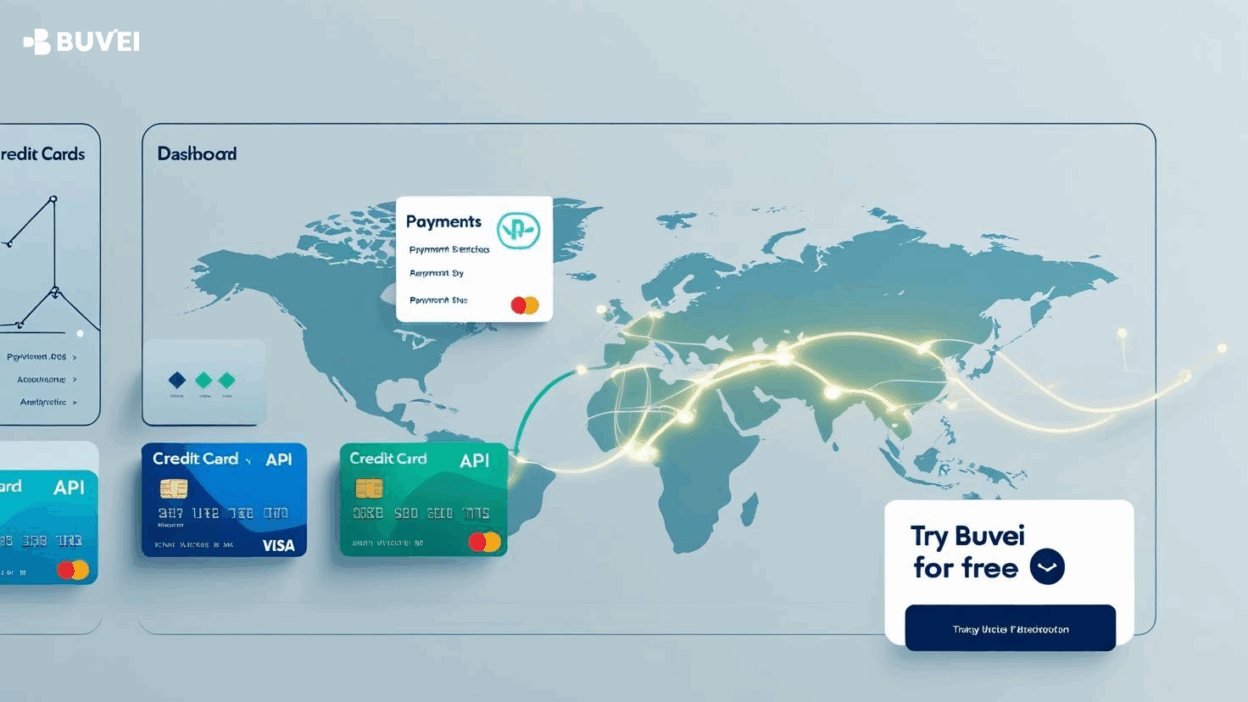
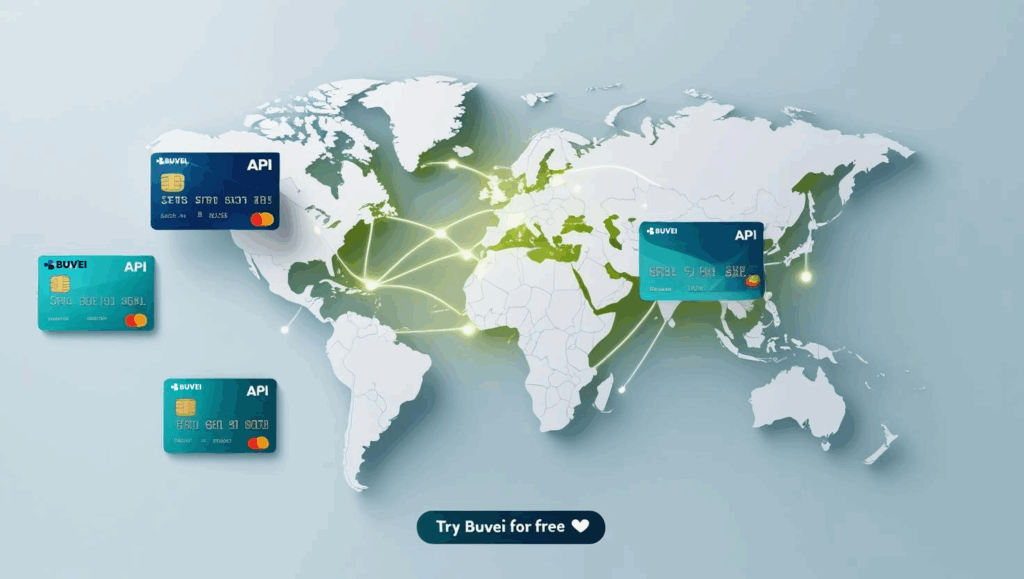
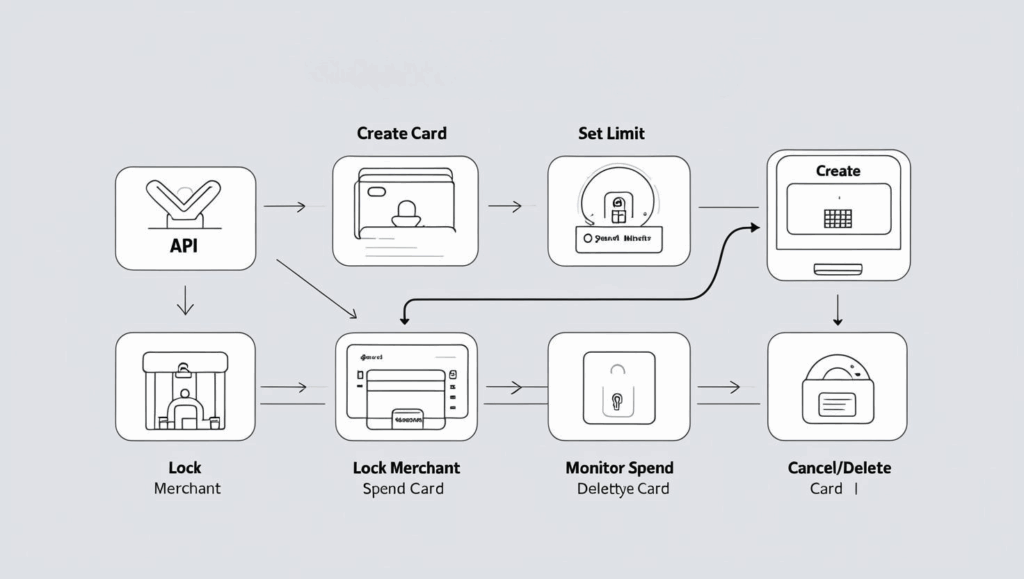
✅ Automation-ready: Buvei offers APIs for issuing, tracking, and revoking cards programmatically
In short, digital payments let your finance team move faster—without losing control.
Virtual Cards: Programmable Payment Infrastructure for Modern Teams
Unlike traditional credit cards, virtual cards are secure, dynamic, and fully customizable.
With Buvei, each virtual card can be configured with:
-
Merchant locking (for authorized platforms only)
-
Spending limits (to prevent overcharges)
-
Expiration dates and notes (for internal tracking)
-
API-based automation (for scale)
One card per use case—clean, secure, and fully auditable.
Where Do Virtual Cards Fit in Real Business Scenarios?
| Use Case | Buvei Benefits |
| Paid ad accounts (Meta, Google) | Issue merchant-locked cards to control ad spend |
| SaaS tools (Figma, Notion) | Easily pause or delete cards to cancel subscriptions |
| Web3-native projects | Load from crypto wallets, control team permissions |
| Global eCommerce or dropshipping | Use cards across Shopify, logistics, and sourcing tools |
You can also assign separate cards to different team members, ensuring role-based spend control and reducing financial exposure.
How Do Virtual Cards Compare to Traditional Company Cards?
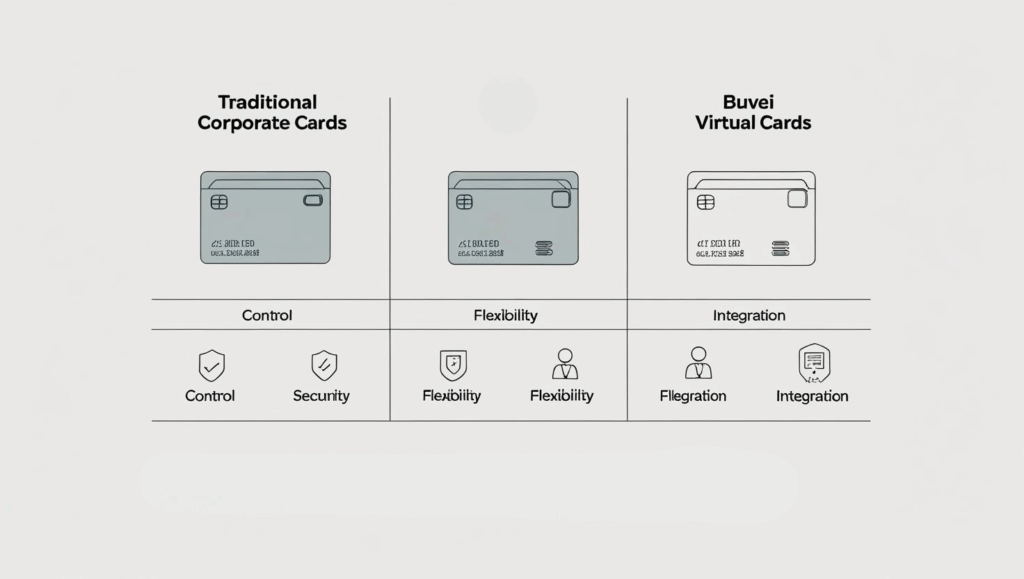
| Feature | Legacy Cards | Buvei Virtual Cards |
| Usage | Shared across teams | One card per person or vendor |
| Limit control | Difficult to manage | Merchant-bound, auto-expiring, limit-based |
| Security | Prone to misuse or fraud | Merchant-locked, instantly deactivatable |
| Integration | Manual tracking | Fully programmable via API/Webhook |
With Buvei, you can build a structured, scalable payment system that adapts to your team size, billing needs, and spending controls.
Why Buvei Is Built for Global Business Spend
-
🔐 Compliance & security: Designed for PCI DSS-level security and enterprise spend governance
-
🧠 Modular & programmable: Supports API issuance, smart tagging, role-based visibility, and batch control
Strategic Tips to Upgrade Your Business Payments
-
Issue separate cards for each SaaS tool, ad campaign, or supplier
-
Enable spend limits and merchant locks to prevent billing fraud
-
Integrate Buvei’s API into your internal expense workflows
Final Thoughts
Digital payments are no longer optional—they’re essential. But if you want to scale without exposing your finances to unnecessary risk, you need more than speed. You need programmable payment infrastructure like Buvei.
📨 Ready to modernize how your company spends? Start issuing virtual cards with Buvei today