When a customer swipes, dips, or taps a physical card at a point-of-sale terminal, that’s a Card Present Transaction (CPT). But beyond that tap lies an intricate layer of security standards, fraud risk profiles, and cost structures that define much of how in-person card payments function today.
For merchants and fintech platforms, understanding CPT vs. CNP (Card Not Present) isn’t just technical jargon—it directly impacts fees, chargeback rates, and operational models.
In this article, we’ll break down what CPT means, how it differs from card-not-present payments, and how platforms like Buvei address the evolving landscape of virtual and remote payments.
What Exactly Is a Card Present Transaction?
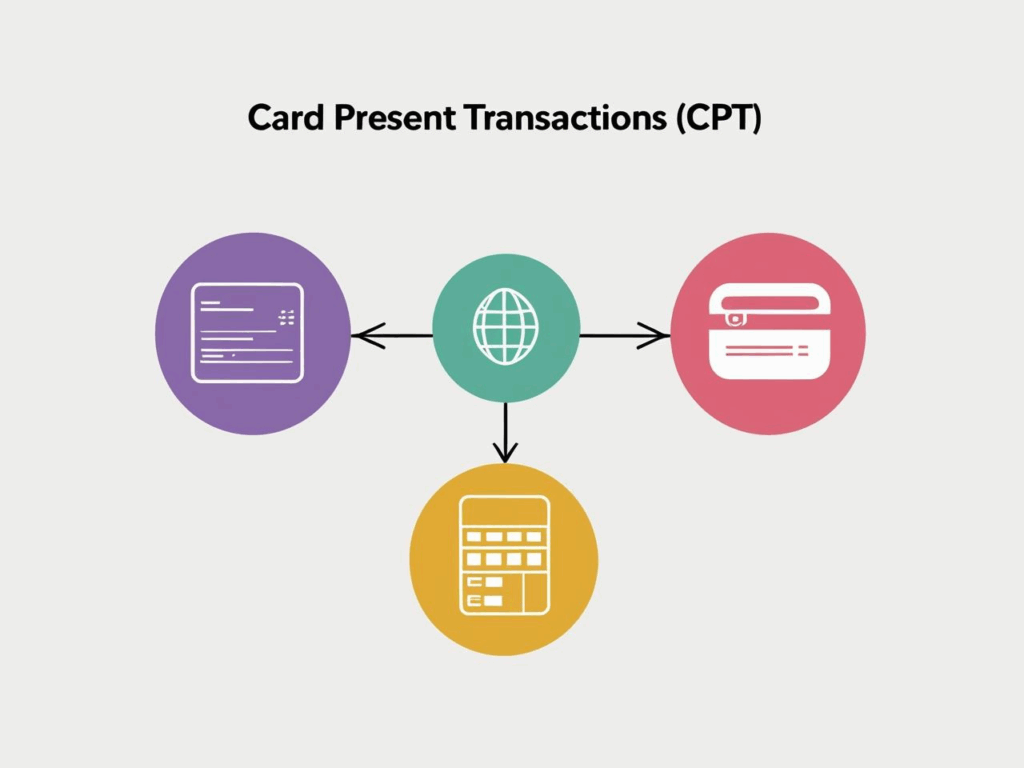
A Card Present Transaction (CPT) is a payment where the physical card is presented and read during the transaction, usually via:
-
Magnetic stripe swipe
-
EMV chip insert
-
NFC/contactless tap (Apple Pay, Google Pay, physical cards)
Because the card is physically present, these transactions benefit from lower fraud risk and reduced interchange fees, especially compared to online or remote purchases.
CPT vs. CNP: What’s the Difference?
| Feature | Card Present (CPT) | Card Not Present (CNP) |
| Card physically shown? | ✅ Yes | ❌ No |
| Risk of fraud | 🔒 Lower | ⚠️ Higher |
| Common use cases | In-store POS, kiosks | Online checkout, app payments |
| Verification methods | Chip + PIN, Contactless NFC | CVV, billing address, 3DS |
| Typical fees | 🟢 Lower | 🔴 Higher |
Why CPT Matters for Risk & Compliance
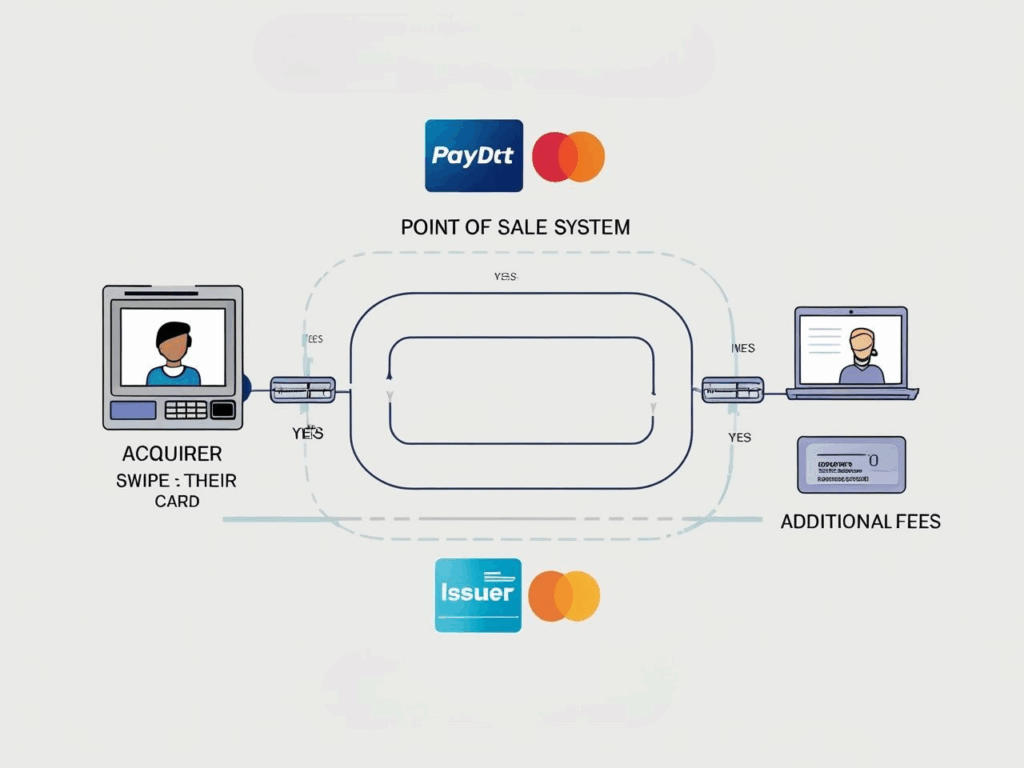
Card present transactions are more secure by default. Hardware terminals often meet PCI-DSS compliance, and card authentication mechanisms like EMV chips or PIN entry significantly reduce the chance of fraudulent use.
This has major downstream impacts:
-
Lower chargeback risk
-
Better dispute resolution for merchants
-
Lower acquiring/issuer-side risk assessment
How Does This Affect Interchange Fees?
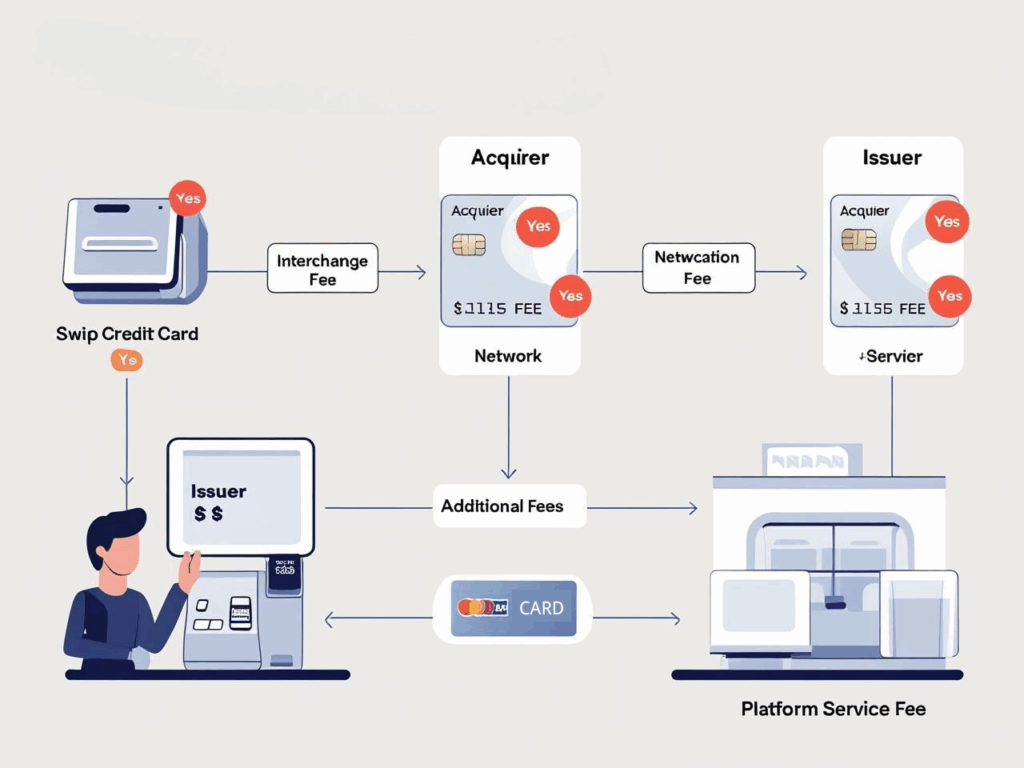
Visa, Mastercard, and other networks charge lower interchange rates for CPTs because:
-
The card is authenticated more securely
-
There’s physical proof of customer interaction
-
Merchant liability is reduced (especially for EMV-compliant readers)In a Virtual World, Where Does CPT Fit In?
As the payments ecosystem shifts toward digital and remote models, CNP (Card Not Present) transactions are becoming the norm. This includes:
-
E-commerce purchases
-
SaaS subscription billing
-
Mobile app payments
-
Virtual card use cases
Platforms like Buvei, which specialize in virtual credit cards, operate in the CNP space but borrow from the risk reduction best practices of CPT—such as:
-
One-time use cards
-
Spend limits & expiration windows
-
BIN optimization for acceptance rates
-
3DS support to simulate “presence” security
While a virtual card can’t replicate a physical tap, Buvei implements tokenization, dynamic CVV, and transactional monitoring to offer security levels on par with CPT standards.
Are CPTs Still Relevant in 2025?
Absolutely. In-person payments remain a dominant channel for retail, hospitality, and services. CPT:
-
Powers POS terminals in stores globally
-
Ensures low-friction, high-speed checkout
-
Aligns with consumer habits in physical environments
Even fintech disruptors are investing in omni-channel infrastructure, merging CPT and CNP flows through unified APIs.
Bridging CPT and CNP with Smart Infrastructure
Understanding Card Present Transactions is critical to evaluating payment risk, optimizing costs, and designing hybrid payment experiences. As platforms like Buvei continue to innovate on the card-not-present side, CPT principles remain foundational.
By learning from both CPT and CNP systems, modern payment infrastructures can deliver the best of both worlds:
✅ Security, ✅ Cost-efficiency, ✅ Flexibility.
Ready to explore virtual card payments designed for global flexibility?
Start with Buvei: https://buvei.com