
AI Subscription Management has become increasingly important as individuals and businesses rely on more AI tools for daily workflows. From content creation and research to design and software development, users now manage multiple AI platforms with different subscription plans and recurring payments.
However, managing several AI subscriptions at once can be challenging. Different billing cycles, recurring charges, and multiple payment methods can make it difficult to track expenses and control spending.
Virtual cards provide a practical solution by helping users separate payments, simplify subscription tracking, and maintain better visibility over digital expenses.
This guide explains how to manage AI tool subscriptions with virtual cards and create a more organized payment workflow in 2026.
Common Challenges When Managing Multiple AI Subscriptions
The way people use AI tools has changed significantly. Instead of relying on a single platform, many users now combine different AI services based on their specific needs.
For example, content creators may use ChatGPT for writing, Midjourney for visual creation, and other AI platforms for productivity. Developers may use coding assistants alongside AI research tools to improve their workflow.
While these tools provide significant benefits, managing multiple subscriptions creates new challenges.
Keeping Track of Multiple Recurring Payments
Each AI platform may have different pricing structures, billing dates, and renewal schedules. When multiple subscriptions are connected to the same payment method, it becomes harder to understand individual expenses.
Users may struggle to identify which service generated a charge, how much they spend on AI tools each month, and whether every active subscription is still necessary.
For businesses, this challenge becomes even more important as different teams may use different AI platforms for their daily operations.
Limited Visibility with Shared Payment Methods
Using one payment method for every AI subscription may seem simple, but it reduces expense visibility.
When all services are linked to the same card, users often need to manually review transactions to understand their AI spending. This makes it harder to separate business expenses, monitor recurring payments, or identify unused subscriptions.
A more structured payment approach can help users maintain better control over their digital expenses.
How Virtual Cards Simplify AI Subscription Management
Virtual cards provide a flexible way to organize recurring online payments. Instead of connecting every AI service to one payment method, users can create separate payment solutions based on different purposes.
This approach makes AI Subscription Management more efficient because each subscription can have a clearer payment purpose.
For example, users can organize virtual cards around different categories such as AI writing tools, research platforms, creative applications, or development services.
Improve Subscription Tracking and Expense Visibility
Managing recurring AI payments requires clear transaction visibility.
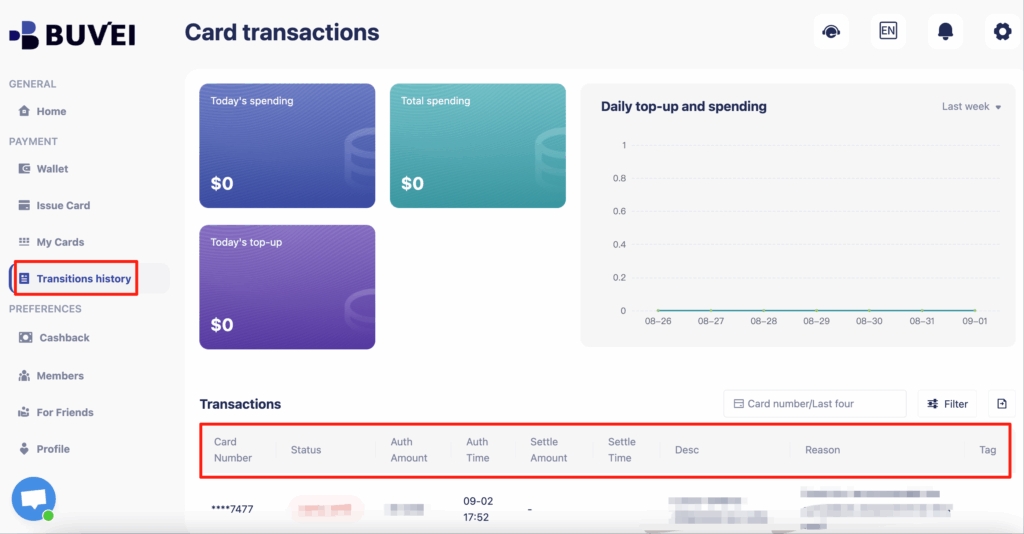
Virtual cards make it easier to review subscription activity by separating different expenses and providing clearer transaction records. Users can better understand payment history, monitor recurring charges, and evaluate monthly AI spending.
Instead of searching through one account containing unrelated transactions, users can create a more organized overview of their AI expenses.
Create Better Spending Control
AI subscription costs can increase quickly as users add new tools or upgrade existing plans.
A dedicated virtual card structure helps users create clearer spending boundaries and regularly review whether each service continues to provide value.
For businesses, this approach also supports better software expense management by making AI-related costs easier to monitor across different teams.
Step-by-Step: How to Manage AI Tool Subscriptions with Virtual Cards
The following workflow explains how individuals and businesses can organize multiple AI subscriptions more effectively.
Step 1: Review Your Current AI Subscription Expenses
Before creating a new payment structure, start by reviewing your existing AI subscriptions. Identify the AI tools you use, their monthly costs, billing schedules, and their purpose within your workflow. For example:
| AI Tool | Purpose | Monthly Cost |
| ChatGPT | Writing and productivity | $20 |
| Claude | Research and analysis | $20 |
| Midjourney | Creative design | $10 |
This process helps determine which subscriptions are essential and where unnecessary expenses may exist.
Step 2: Create Dedicated Virtual Cards for AI Tools
After reviewing your subscriptions, the next step is creating dedicated payment methods for different AI services.
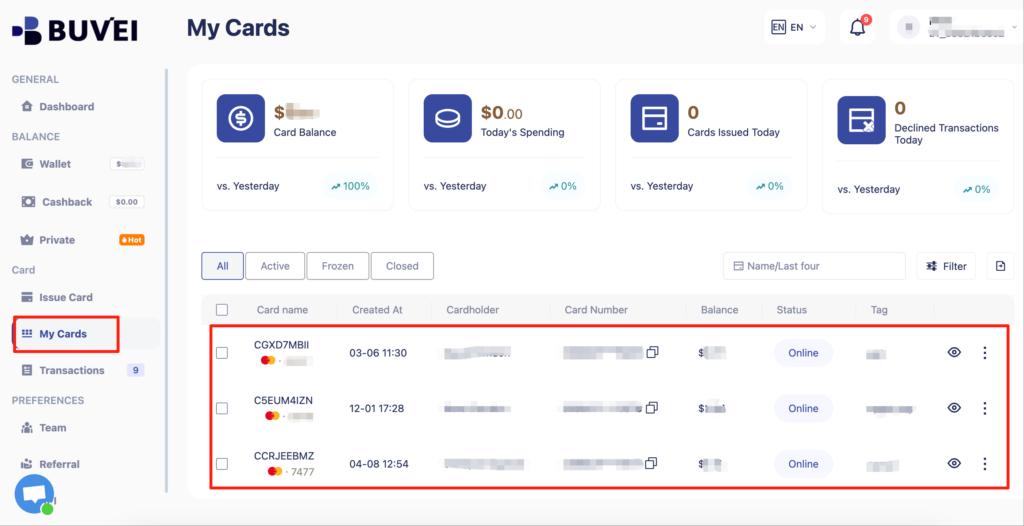
BUVEI Virtual Cards allow users to create separate cards for different online payment purposes, making it easier to organize AI subscriptions, track transactions, and manage recurring expenses. For example, users can create dedicated cards for:
- AI writing tools
- Design platforms
- Development tools
Instead of managing multiple unknown charges through one payment method, users can create a clearer connection between each AI service and its associated expense.
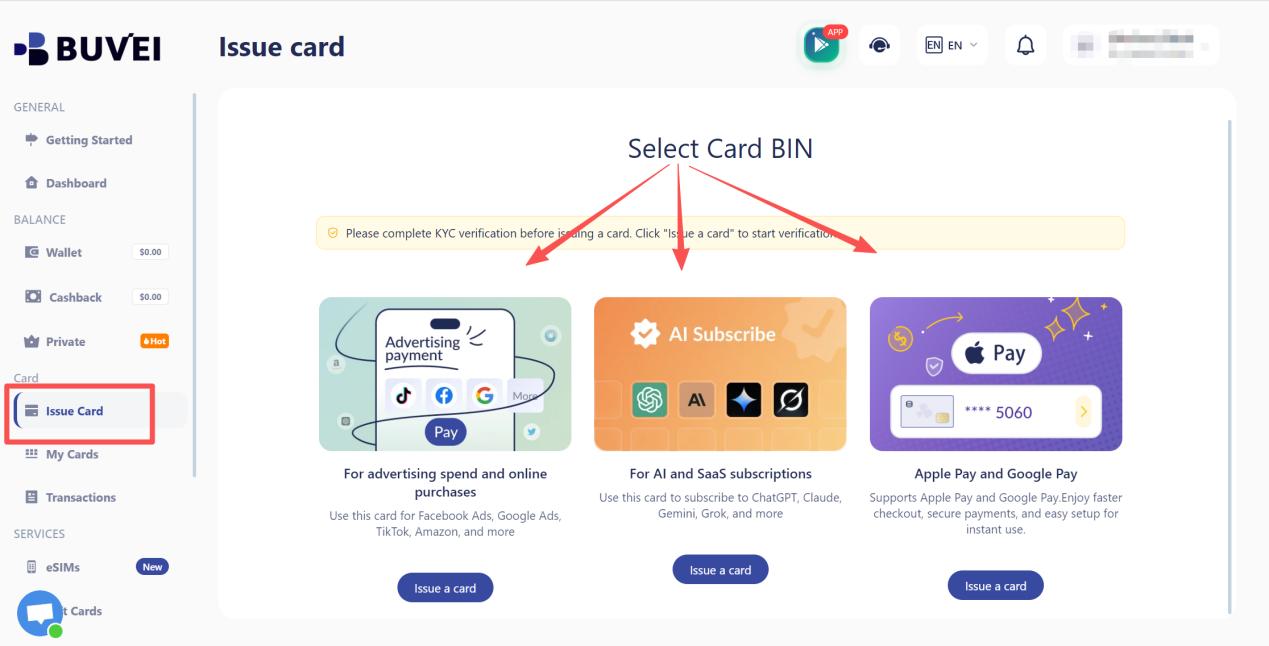
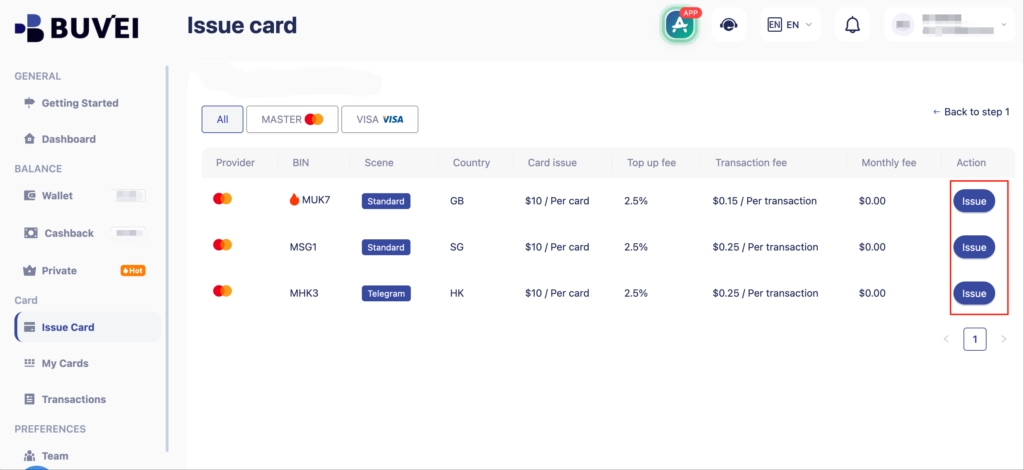
Firstly,
- Go to the Card tab
- Choose your preferred BIN region
- Select your card type (Visa/Mastercard)
- Click Issue
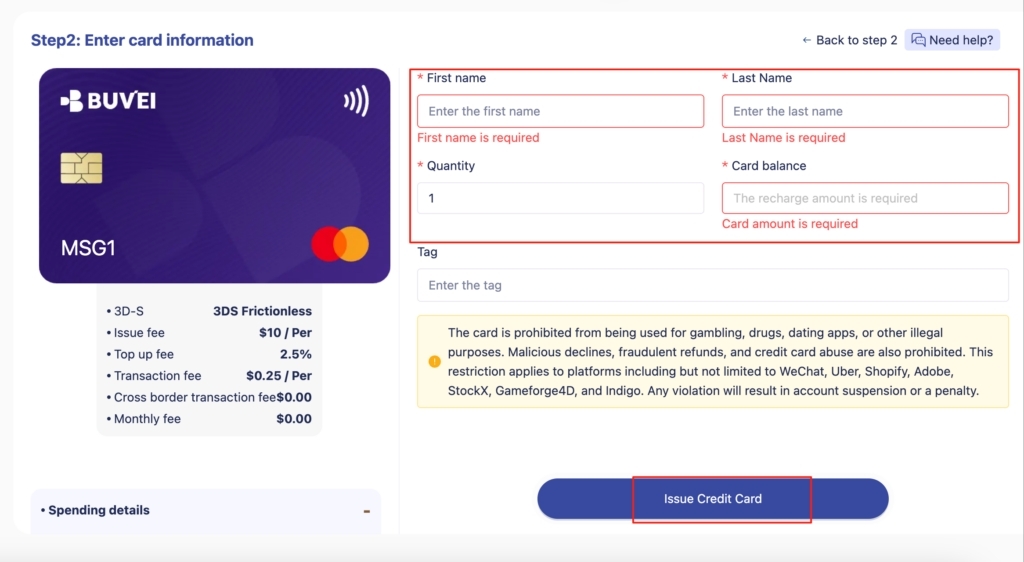
Then,
- Fill in the virtual card details, including name, amount, and number of cards.
- Click Issue Card
Step 3: Assign Virtual Cards to Different AI Services
After creating dedicated cards, assign each card to the appropriate AI platform. A simple organization structure could look like this:
| AI Service | Virtual Card Purpose |
| ChatGPT | AI Writing Card |
| Claude | Research Card |
| Midjourney | Creative Card |
| Cursor | Development Card |
This approach creates a simple relationship between each AI tool and its payment method. When reviewing expenses later, users can quickly understand which service generated each transaction.

Step 4: Add Virtual Cards to AI Platforms
Once payment methods are organized, users can update their subscription settings on each AI platform. The general process includes adding virtual card details, confirming the payment method, and activating recurring billing. The purpose is not only to complete a payment but also to establish a more structured system for future subscription management.
Step 5: Track and Optimize AI Subscription Spending
AI Subscription Management requires ongoing review after the initial setup. Users should regularly check transaction activity, evaluate tool usage, and review whether each subscription continues to provide value. This helps identify unnecessary subscriptions, changing expenses, and opportunities to optimize AI spending.
Examples of AI Subscription Management with Virtual Cards
Different users may organize AI subscriptions according to their workflows.
Individual Creators
Creators often combine AI writing tools, image generation platforms, and productivity services. Separating these expenses through dedicated virtual cards makes it easier to manage creative software costs and maintain better visibility.
Developers
Developers may use coding assistants, AI research tools, and other technical platforms. A dedicated payment structure helps them understand development-related AI expenses more clearly.
Businesses and Teams
Companies using multiple AI solutions can benefit from separating expenses by department or project. For example, marketing teams may manage content AI tools, while development teams may manage coding assistants separately. This creates a clearer approach to software expense management.
Best Practices for Managing AI Subscriptions
A successful AI Subscription Management strategy requires regular organization and review. Using separate payment methods for different AI services improves transparency and makes subscription tracking easier. Users should also regularly evaluate active tools to ensure each service continues to support their workflow.
For businesses, separating personal and professional AI expenses can simplify reporting and improve financial visibility. Monitoring recurring payments is also important because AI platforms frequently update pricing plans and subscription options.
How BUVEI Supports AI Subscription Management
Managing multiple AI subscriptions requires more than simply making payments. Users need better visibility, organization, and control over recurring digital expenses. BUVEI Virtual Cards help users create a more structured payment workflow by allowing them to:
- Create dedicated virtual cards for different purposes
- Separate online subscription expenses
- Monitor transaction activity
- Manage recurring payments more efficiently
For AI users, this means each subscription can have a clearer payment purpose, making it easier to organize multiple digital services.
Manage Your AI Subscriptions More Efficiently with BUVEI
As AI tools become increasingly important for individuals and businesses, maintaining control over subscription expenses is essential.
BUVEI Virtual Cards provide a practical way to organize AI payments, improve expense visibility, and build a clearer subscription management workflow.
Whether you are managing AI tools for personal productivity or business operations, dedicated virtual cards can help simplify recurring payments and improve spending control. Explore BUVEI Virtual Cards and create a more organized way to manage your AI subscription expenses.
Conclusion
AI tools will continue expanding across different industries and workflows. As users adopt more AI platforms, managing multiple subscriptions effectively becomes increasingly important.
Effective AI Subscription Management helps users organize expenses, track recurring payments, and maintain better control over digital services.
By using virtual cards to separate AI subscriptions and monitor spending activity, individuals and businesses can build a more efficient payment workflow and manage their AI expenses more effectively in 2026.