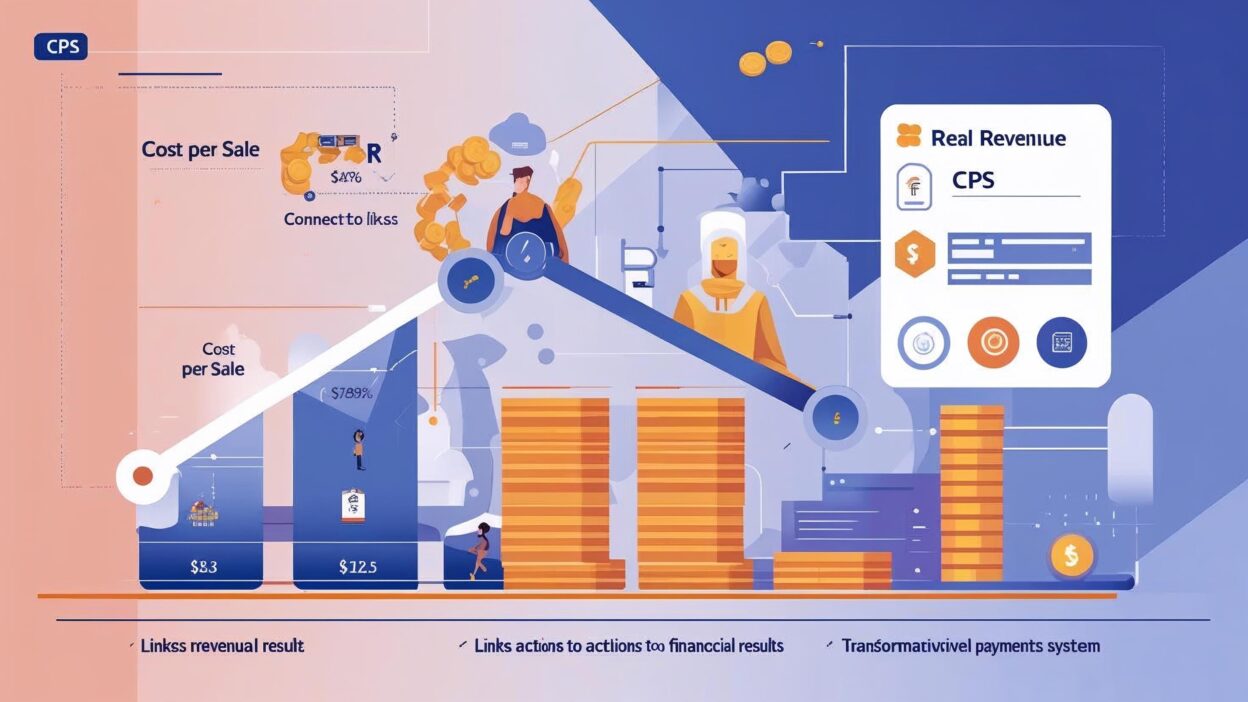
In performance-based advertising and affiliate payment models, Cost Per Sale (CPS) is more than a marketing acronym—it’s a vital financial indicator that connects user acquisition directly to revenue. For merchants, fintech platforms, and payment providers, CPS is a core mechanism for driving smarter growth.
Let’s break down what CPS means in today’s payments infrastructure—and why it matters.
🔍 What Is Cost Per Sale (CPS)?
CPS is a pricing model where advertisers pay only when a sale is successfully completed. Unlike CPC (Cost Per Click) or CPM (Cost Per Mille), CPS ensures payment is tied directly to results.
This makes it highly attractive for affiliate marketing, referral programs, and transaction-driven reward systems. In a payment context, CPS structures are often embedded into:
-
Affiliate platform commissions
-
Marketplace revenue sharing
-
Partner-based incentives
-
Fintech cashback ecosystems
It’s simple: no sale, no payout.
💡 Real-World CPS Use Cases
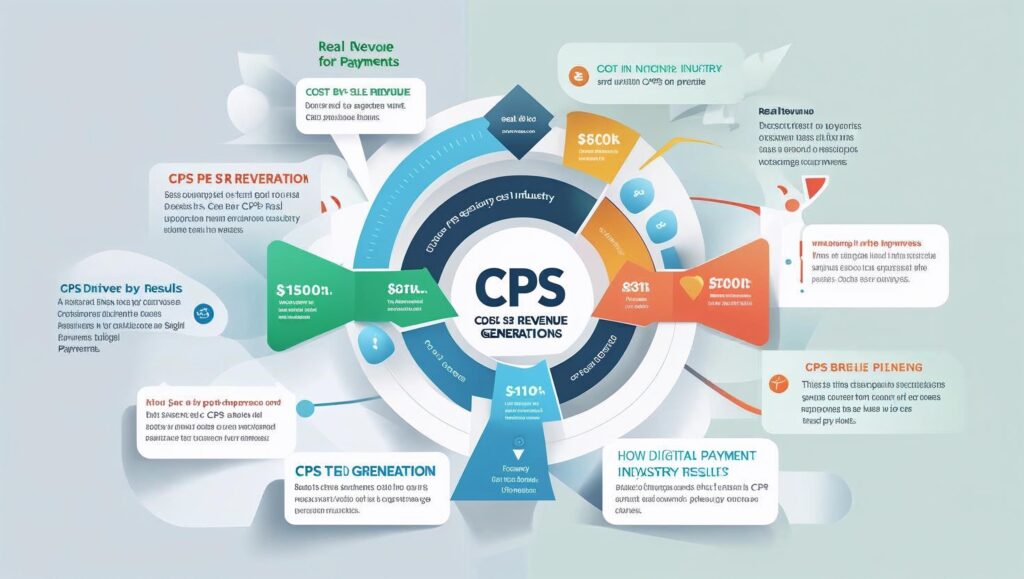
Here’s how CPS plays out in practice:
-
A fashion brand partners with influencers through an affiliate platform.
-
Each influencer receives a unique tracking link.
-
When a user completes a purchase, the platform pays a commission (e.g., 10%).
-
No purchase = no payout.
CPS is commonly used in:
-
Affiliate networks
-
B2B partner programs
-
Marketplace seller incentives
-
Card-linked offers (CLOs) in fintech apps
It aligns cost with performance and guarantees ROI-driven spend.
💳 CPS in the Payments Ecosystem
For modern payment providers—PSPs, neobanks, and BaaS platforms—supporting automated CPS models is becoming a must-have.
Here are just a few examples:
-
Marketplaces paying sellers only after completed sales
-
SaaS platforms distributing commissions to partners based on verified revenue
-
Cashback apps that reward users based on card transactions
-
Referral systems that monetize sales volume instead of traffic
The better your platform can track, verify, and pay out CPS rewards, the more scalable and reliable it becomes.
📊 CPS vs. Other Models
Why it matters:
If your business depends on completed transactions, CPS delivers the safest and most scalable return.
🛠️ Challenges with CPS (And How to Solve Them)
-
Fraud or Return Risk
→ Solution: Integrate fraud detection + refund tracking before releasing commissions. -
Tracking Failures
→ Solution: Use robust server-to-server or postback integrations. -
Delayed Payouts
→ Solution: Automate real-time tracking and payouts with tools like Buvei’s programmable infrastructure.
🔐 How Buvei Powers CPS-Based Platforms
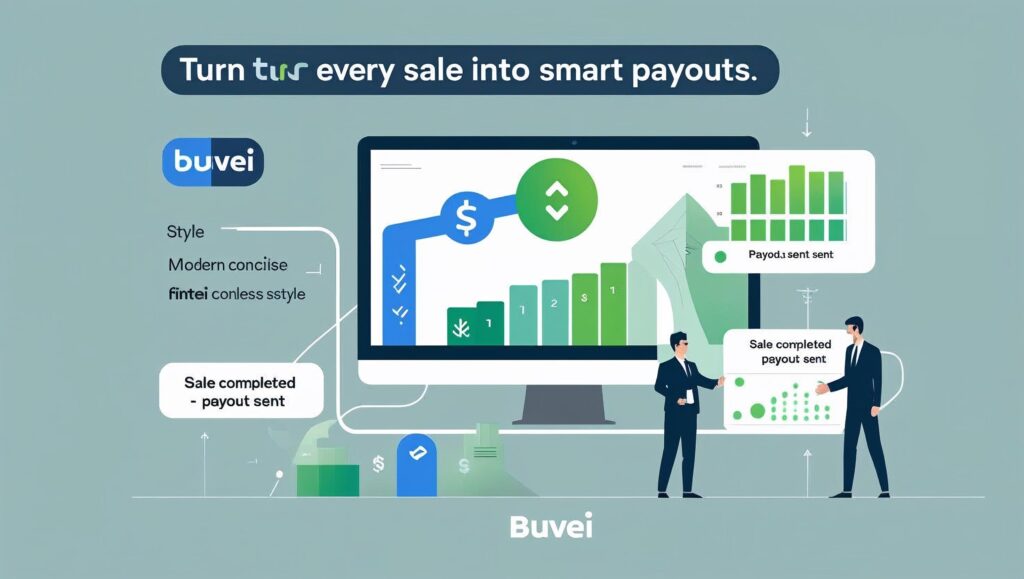
At Buvei, we provide fintech platforms and affiliate networks with the infrastructure needed to run high-volume CPS models:
-
Real-time transaction monitoring
-
Cross-border payouts in multiple currencies
-
Fraud scoring and payout gating
-
Multi-party ledger accounting and reporting
Whether you're building a global affiliate program or a loyalty-based fintech app, we turn verified sales into instant, compliant payouts.
💼 Who Benefits Most from CPS?
Merchants:
Only pay for real, verified transactions—optimize spend and drive ROI.
Fintech Platforms:
Use CPS to incentivize user behavior (sales) with zero upfront risk.
Payment Providers:
Offer your partners performance-based billing models and real-time commissions.
Final Thoughts
CPS (Cost Per Sale) sits at the crossroads of marketing and payments. It’s one of the most efficient, scalable ways to grow revenue while protecting spend.
As affiliate models, referral ecosystems, and reward-based fintech apps expand globally, businesses that master CPS workflows—and have the infrastructure to support them—will lead the next wave of payment innovation.
📌 Want to build a CPS-driven payout model?
Explore Buvei’s real-time transaction and payout infrastructure → Get in touch