Virtual cards are now widely used for subscriptions, SaaS tools, e-commerce, and digital services. While many users assume Virtual Visa and Virtual Mastercard function the same way, differences at the network and risk-control level can affect payment success—especially in 2026, as fraud monitoring becomes more sophisticated.
This guide breaks down how Virtual Visa and Virtual Mastercard differ, where acceptance varies, and how to choose the right option using Buvei virtual cards.
How Virtual Visa and Mastercard Differ at the Network Level
At a basic level, both Visa and Mastercard operate global payment networks that authorize and settle card transactions. However, they differ in how transactions are routed and evaluated.
Key network-level differences include:
-
Authorization logic: Each network uses its own scoring models for transaction approval
-
Fraud detection rules: Visa and Mastercard apply different risk thresholds
-
Merchant category handling: Certain MCCs are treated differently by each network
-
Regional partnerships: Acceptance quality varies by region and processor
These differences become more visible with virtual cards, which are already considered higher-risk than traditional physical cards.
Acceptance Differences Across Platforms
In real-world usage, acceptance can differ depending on the platform:
-
Subscriptions & SaaS: Both Visa and Mastercard generally work, but Mastercard often performs slightly better for recurring billing
-
E-commerce & marketplaces: Acceptance is usually equal unless the platform applies network-specific rules
-
Digital services & AI tools: Visa cards sometimes face stricter verification checks
-
Crypto-related payments: Both networks are high-risk, but Mastercard is more frequently blocked by issuers
The deciding factor is rarely the network alone—it is the BIN reputation and issuing setup behind the card.
Risk, BIN Reputation, and Decline Rates
In 2026, payment success depends more on BIN quality than on whether the card is Visa or Mastercard.
Important factors include:
-
Issuing country and BIN history
-
Card type (prepaid, debit, virtual)
-
Transaction patterns and frequency
-
Merchant risk category
-
Past chargeback ratios linked to the BIN
A well-maintained US BIN virtual card often outperforms a poorly rated Visa or Mastercard BIN, regardless of the network.
Using Buvei Virtual Cards: Visa vs Mastercard Options
Buvei offers virtual cards that allow users to choose between Visa and Mastercard, depending on availability and use case.
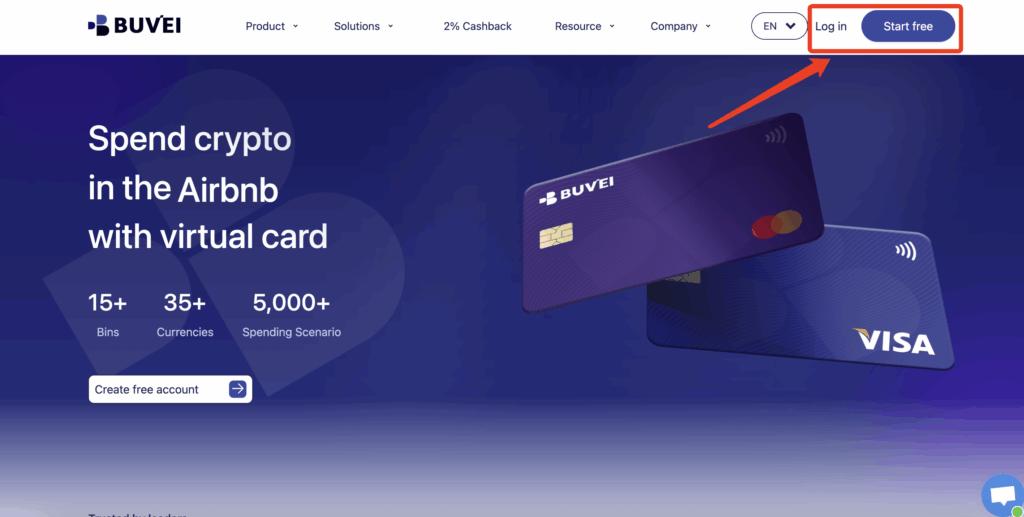
Step 1: Register a Buvei Account
-
Visit https://buvei.com and create a free account
-
Complete email verification
-
Log in to access the Buvei dashboard
Step 2: Fund Your Buvei Wallet
-
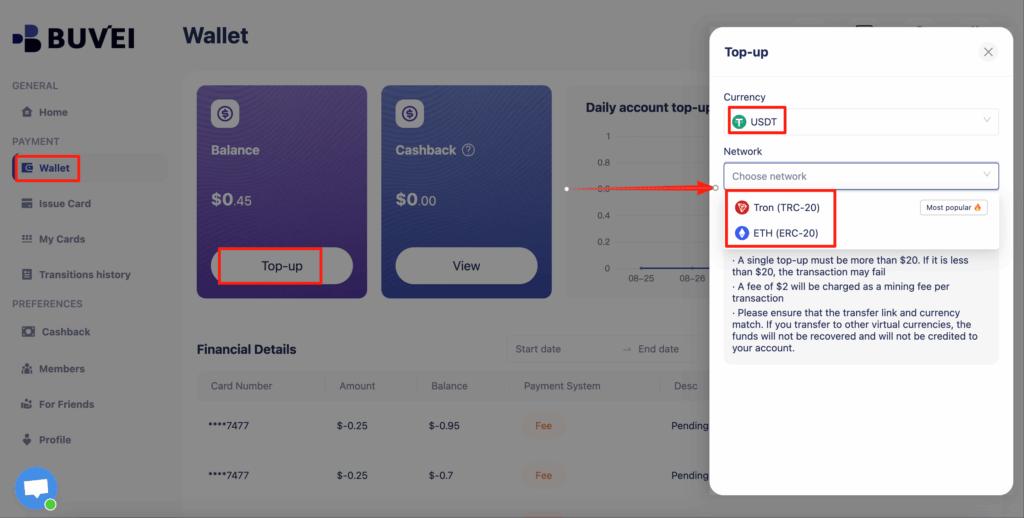
Navigate to the Wallet section
-
Select USDT (TRC20 or ERC20)
-
Buvei generates a unique deposit address
-
Transfer funds and wait for on-chain confirmation
Step 3: Create a Virtual Card
-
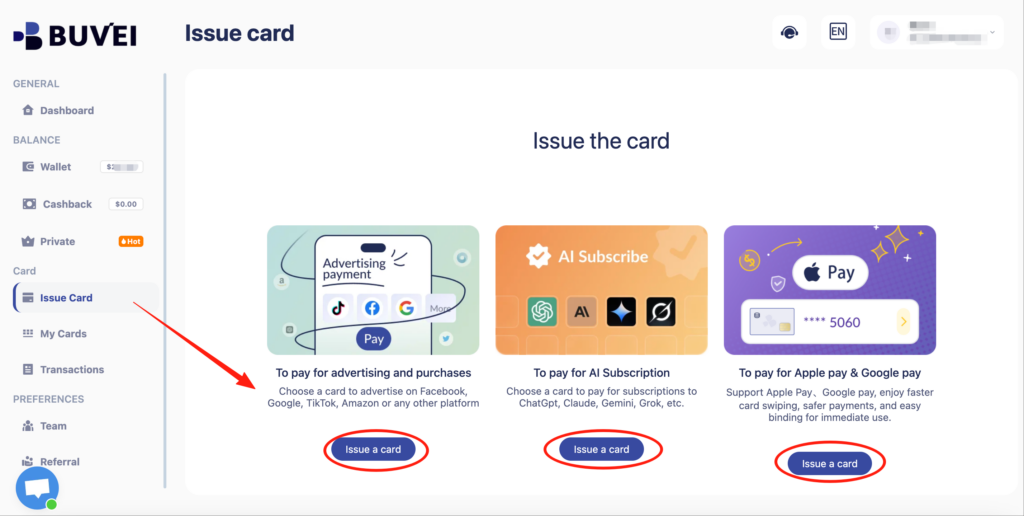
Go to Cards → Create Card
-
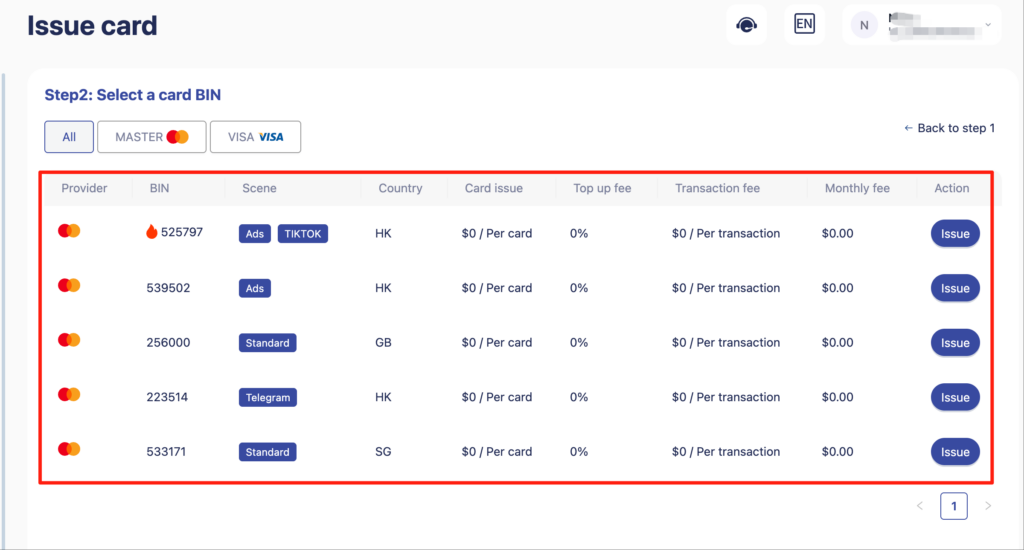
Configure your card:
-
Choose Visa or Mastercard
-
Select a US BIN (recommended for most international platforms)
-
Enter card name, balance, and card quantity
-
-
Click Issue Card
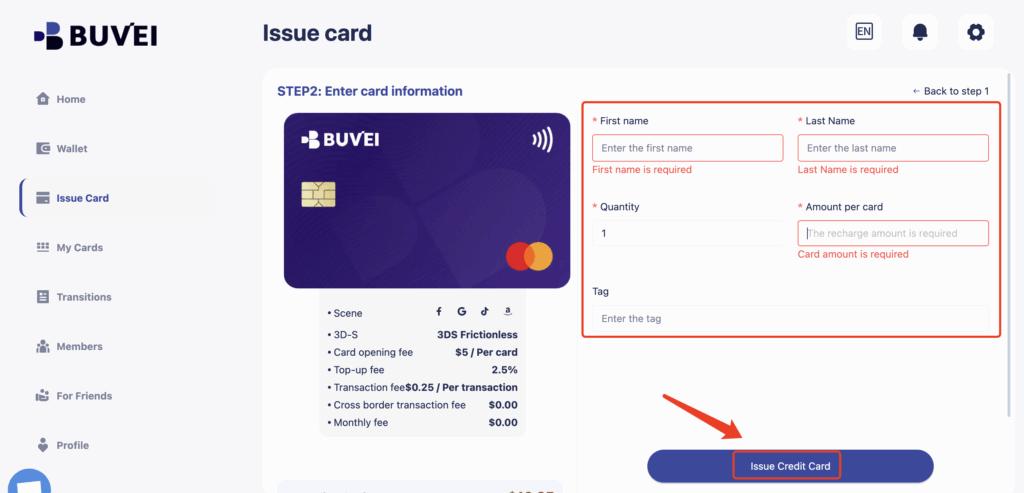
After issuance, visit My Cards to view card details, balances, and transaction history.
Step 4: Use the Virtual Card for Visa vs Mastercard Options
-
Go to My Cards to view your card number, expiration date, and CVV
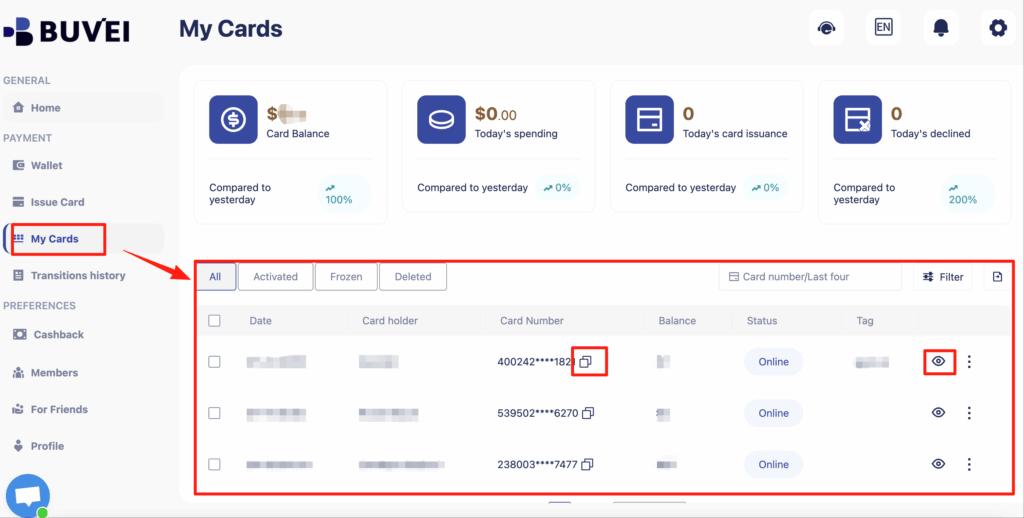
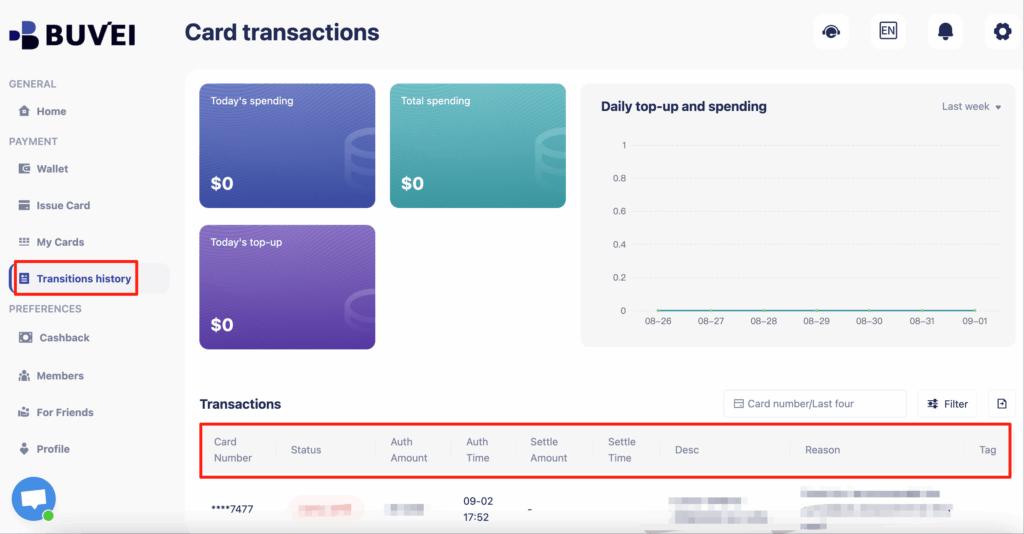
- From the same page, you can monitor balances, top-ups, and all transaction activity for long-term subscription management
Which One to Use for Different Payment Scenarios
Choosing between Virtual Visa and Virtual Mastercard depends on the payment scenario:
-
Subscriptions & recurring billing: Virtual Mastercard often performs more consistently
-
General e-commerce: Either network works equally well with a good BIN
-
AI tools & SaaS: Test both, starting with Mastercard if available
-
High-risk categories (crypto, gambling): Neither is guaranteed; use cautiously
For best results, use dedicated cards per platform and avoid frequent card changes.
Final Thoughts
In 2026, the question is not whether Virtual Visa or Virtual Mastercard is better—it’s whether the BIN quality, issuing setup, and usage strategy are correct. Network choice matters, but it is only one part of a much larger approval equation.
With Buvei, users can choose between Visa and Mastercard virtual cards, manage balances centrally, and adapt card usage to different payment scenarios. Used strategically, virtual cards remain a powerful tool for secure and flexible online payments.