As OpenAI API usage expands across AI startups, SaaS platforms, automation tools, and enterprise workflows, stable billing has become a critical requirement. In 2026, OpenAI’s payment and risk-control systems are far more sophisticated than before, and many users experience failed charges—especially when using virtual cards.
This guide explains how OpenAI API billing works, why virtual cards are often declined, and how to configure a reliable virtual card setup using Buvei as an example.

How OpenAI API Billing and Verification Work
OpenAI API billing differs from standard ChatGPT subscriptions in several important ways:
-
Usage-based billing: Charges are calculated based on token consumption rather than a flat subscription fee
-
Authorization holds: OpenAI periodically places small verification charges or pre-authorizations
-
Automatic renewals: Billing cycles reset monthly, with charges attempted automatically
-
Strict risk controls: API accounts are monitored more closely due to higher abuse and fraud risk
Because API usage can scale quickly, OpenAI applies stricter verification rules than many SaaS platforms.
Common Reasons Virtual Cards Get Declined
In 2026, virtual card failures on OpenAI API are usually caused by issuer-level or BIN-level risk signals, not user error.
The most common decline reasons include:
-
Low-trust BINs frequently associated with prepaid or disposable cards
-
Mismatch between card BIN country and account activity
-
Insufficient authorization buffer, even when balance appears sufficient
-
Blocked MCCs for AI, cloud, or developer platforms
-
Repeated small test charges triggering fraud flags
Many virtual cards work for one-time payments but fail under recurring, usage-based billing models like OpenAI’s.
Choosing a Virtual Card for OpenAI API (Buvei Example)
When selecting a virtual card for OpenAI API payments, the priority should be BIN reputation, card stability, and recharge flexibility.
Using Buvei as an example:
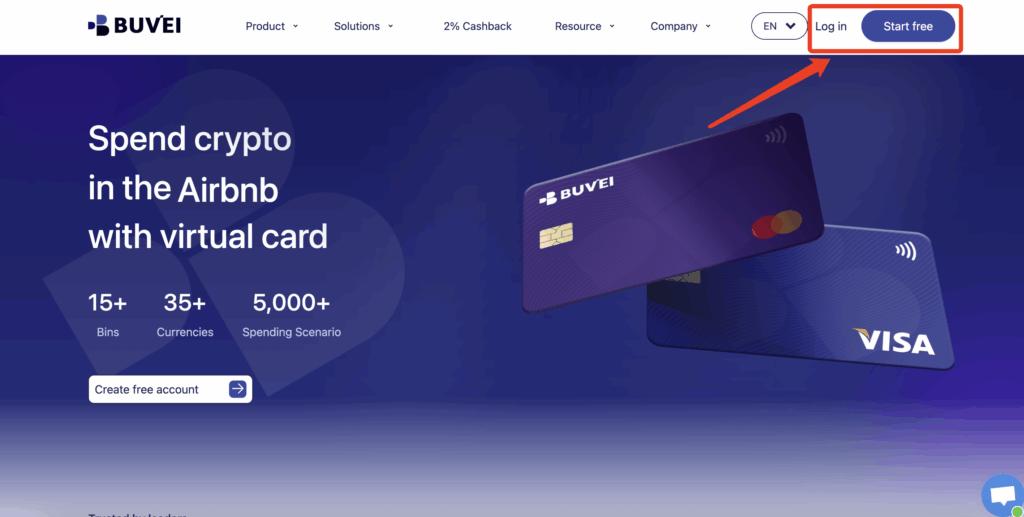
Step 1: Create a Buvei Account
-
Visit https://buvei.com
-
Register with email and verify your account
-
Access the Buvei dashboard
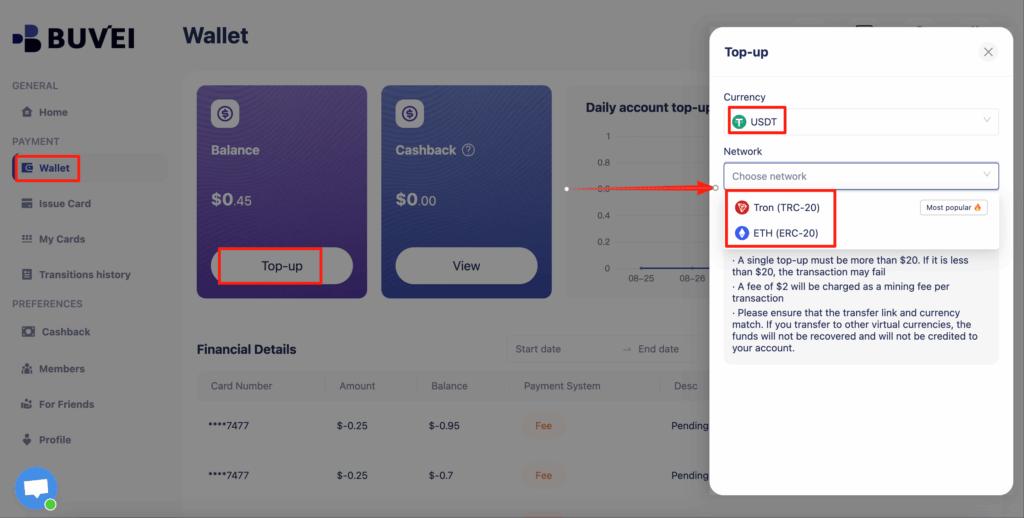
Step 2: Fund Your Buvei Wallet
-
Go to Wallet → Deposit
-
Choose USDT (TRC20 or ERC20)
-
Buvei provides a unique deposit address
-
Transfer funds and wait for confirmation
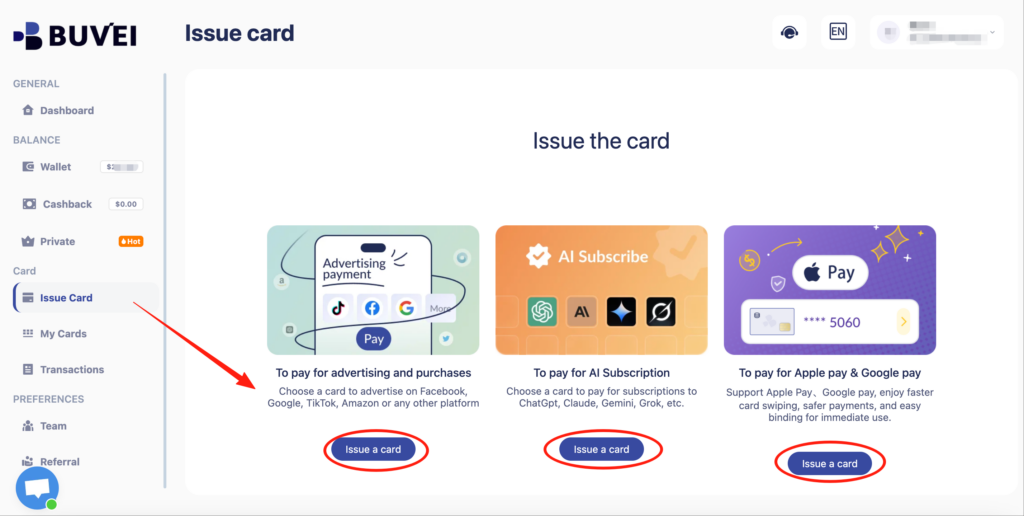
Step 3: Issue a Virtual Card
-
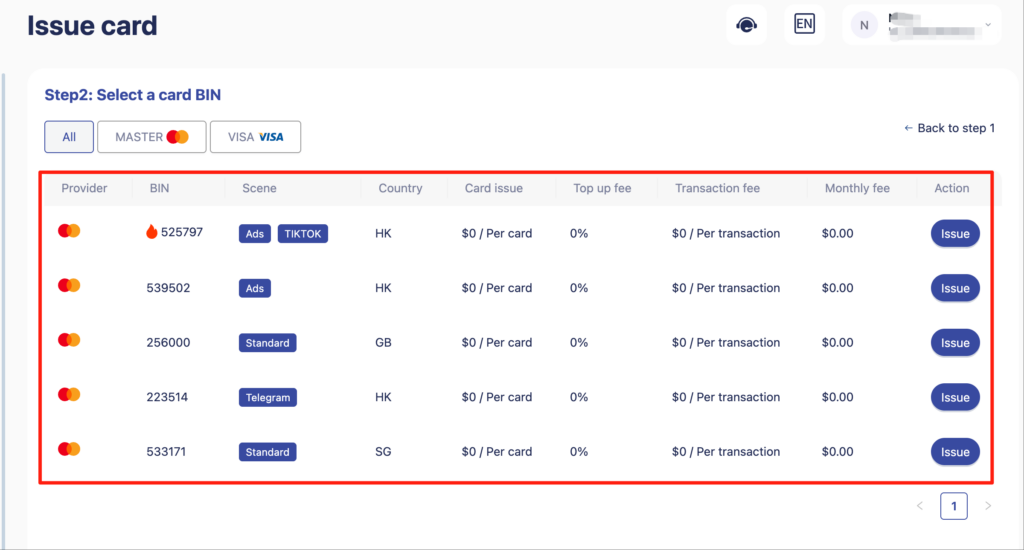
Navigate to Cards → Create Card
-
Recommended configuration:
-
Card type: Virtual debit
-
Network: Visa or Mastercard (test both if available)
-
BIN: US BIN preferred
-
Balance: Higher than expected monthly API usage
-
-
Click Issue Card
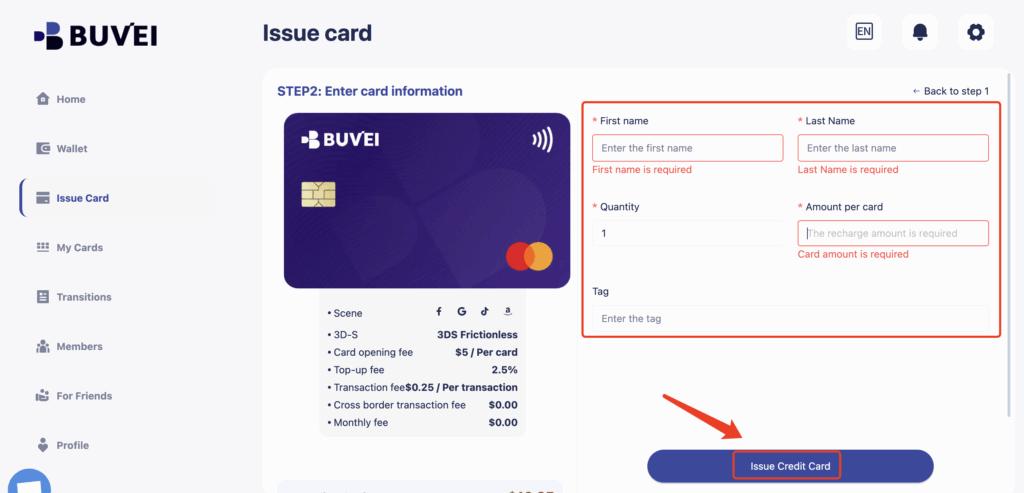
Once issued, the card can be immediately added to your OpenAI API billing profile.
Step 4: Use the Virtual Card for OpenAI API Payments
-
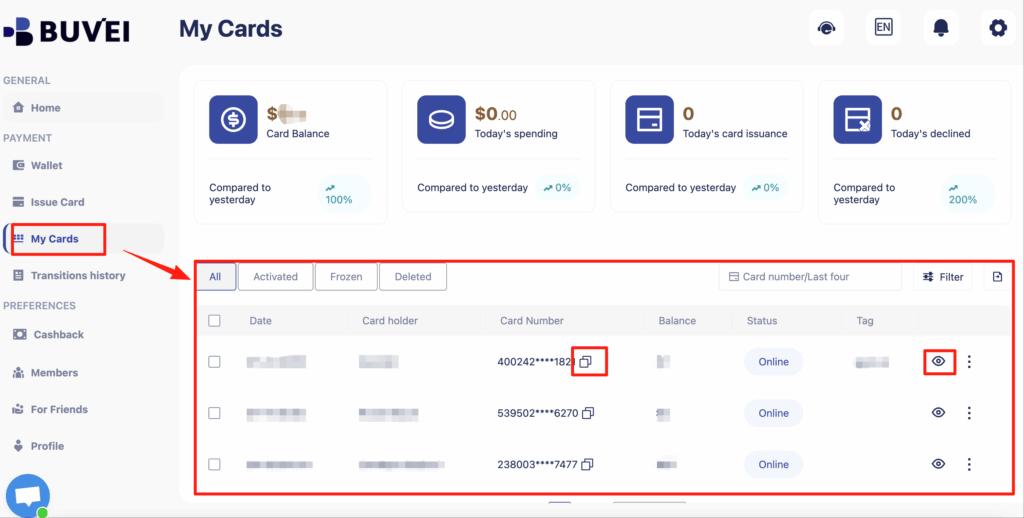
Go to My Cards to view your card number, expiration date, and CVV
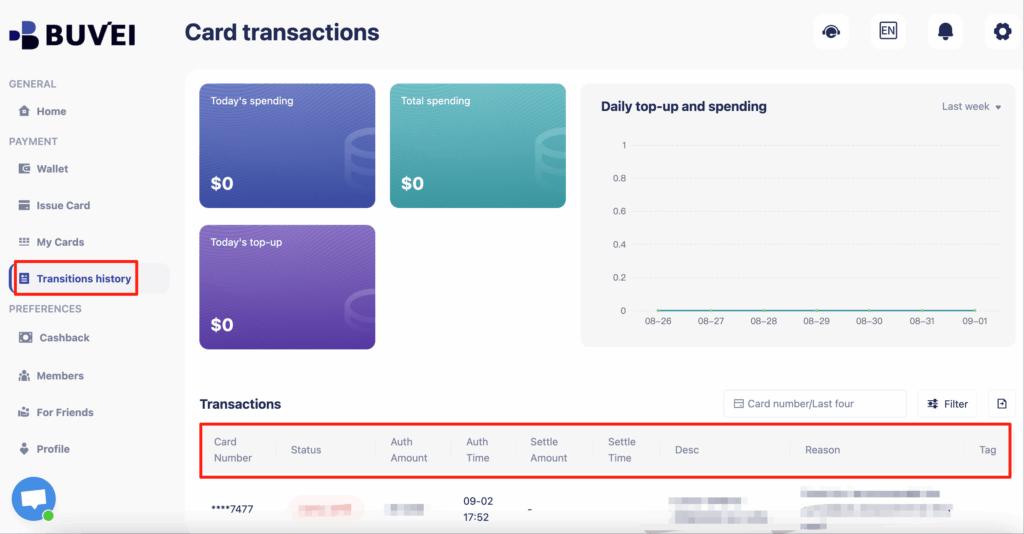
- From the same page, you can monitor balances, top-ups, and all transaction activity for long-term subscription management
Recommended Settings for OpenAI API Payments
To minimize billing interruptions, configure your virtual card and OpenAI account carefully.
Best practices include:
-
Maintain at least 20–30% extra balance above expected usage
-
Avoid frequent card changes or re-verification attempts
-
Use one dedicated card per OpenAI account
-
Enable automatic or manual wallet top-ups before month-end
-
Avoid sharing the same card across multiple AI platforms
Consistency matters more than card quantity.
How to Avoid Renewal Failures
Renewal failures are one of the most common issues with OpenAI API billing. To reduce risk:
-
Top up your card before the billing cycle resets
-
Monitor usage limits inside the OpenAI dashboard
-
Avoid last-minute balance refills
-
Do not rotate cards unless absolutely necessary
-
If a charge fails, wait before retrying to avoid triggering risk flags
A stable payment history significantly improves approval rates over time.
Final Thoughts
In 2026, successfully paying for OpenAI API access with a virtual card is less about finding “any working card” and more about choosing the right issuing structure and using it consistently. OpenAI’s billing system favors predictability, sufficient balance, and trusted BINs.
With properly configured virtual cards—such as those issued through Buvei—developers and businesses can maintain uninterrupted API access, scale usage safely, and avoid unexpected billing disruptions.