Managing cross-border payments becomes increasingly complex as businesses expand into new markets. A company may need to pay overseas suppliers, manage international software subscriptions, or provide payment solutions to customers in different regions — all while maintaining control over spending and transactions.
Building this capability internally requires much more than issuing virtual cards. Businesses need reliable issuing infrastructure, regional payment support, compliance processes, and operational tools that can support transactions at scale.
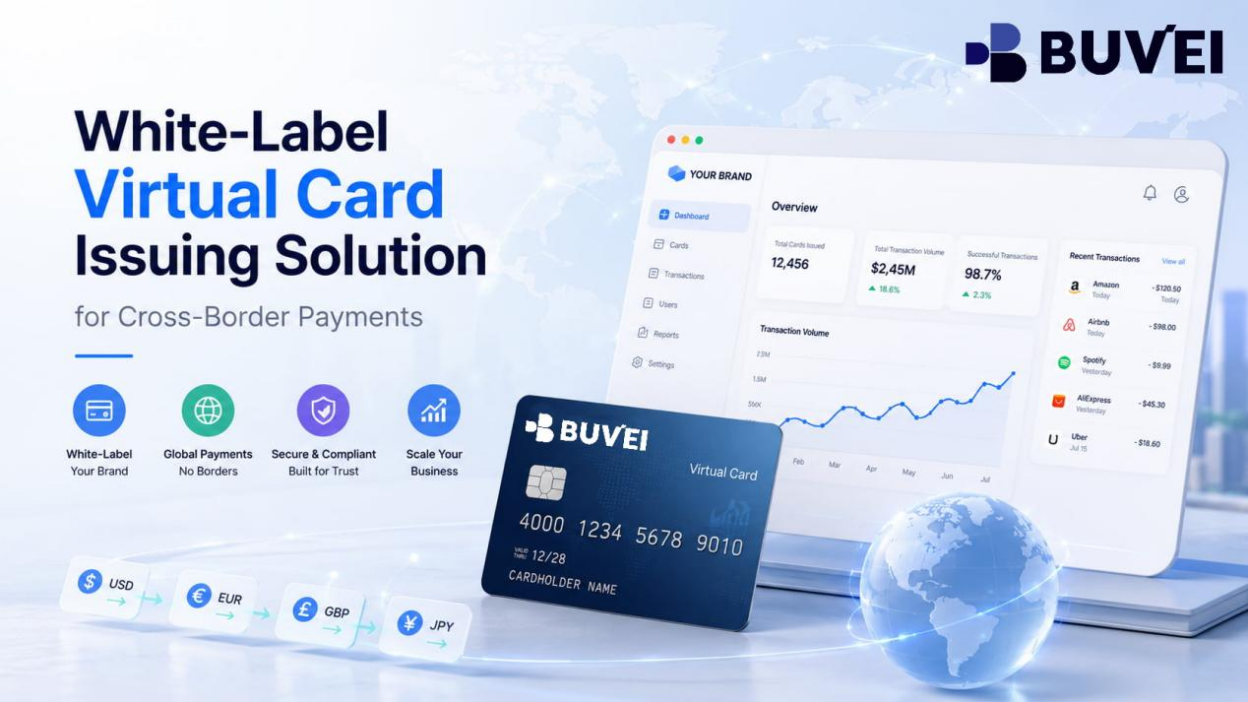
White-label virtual card solutions for cross-border payments provide a faster way for FinTech companies, payment providers, and digital platforms to launch branded Visa and Mastercard virtual cards without developing the entire card infrastructure themselves.
By choosing the right virtual card platform, businesses can expand their payment capabilities while adapting to different markets, customers, and global payment requirements.
Why Cross-Border Payments Require Virtual Card Solutions
Traditional cross-border payment solutions are effective for moving money between countries, but many businesses need more control over daily payment activities.
International companies often need to:
- Pay overseas suppliers
- Manage global subscriptions
- Control business spending
- Support customers in different regions
These use cases require payment methods with stronger flexibility and visibility.
Building a card program internally requires businesses to manage issuing connections, payment networks, compliance requirements, and transaction operations.
A white-label virtual card solution provides access to existing card infrastructure, allowing businesses to add branded payment capabilities without developing the entire payment stack themselves.
How White-Label Virtual Cards Support Global Payment Operations
Improving Payment Acceptance Across Multiple Markets
Payment acceptance can vary significantly between regions due to differences in card infrastructure, merchant environments, and transaction requirements.
For businesses operating internationally, flexible issuing capabilities help create payment programs that better match different markets.
This is especially useful for:
- Cross-border commerce
- Digital advertising payments
- SaaS subscriptions
- International business expenses
BUVEI supports multi-region BIN capabilities across key markets, including the US, UK, Hong Kong, Singapore, and other regions, helping businesses build adaptable virtual card programs for global payment operations.
Supporting New Cross-Border Payment Products
Many payment companies are expanding beyond traditional transfers by adding more complete financial solutions.
A payment provider may offer virtual cards for business customers, while a digital platform may integrate payment capabilities into its existing ecosystem.
White-label virtual card solutions provide the issuing foundation needed to create branded payment products while allowing companies to maintain control over customer experience and operations.

Integrating Virtual Cards Into Existing Financial Platforms
Virtual cards are increasingly becoming part of broader financial platforms.
A payment provider may need customers to create cards inside its own application, while a digital wallet may need transaction data connected to its dashboard.
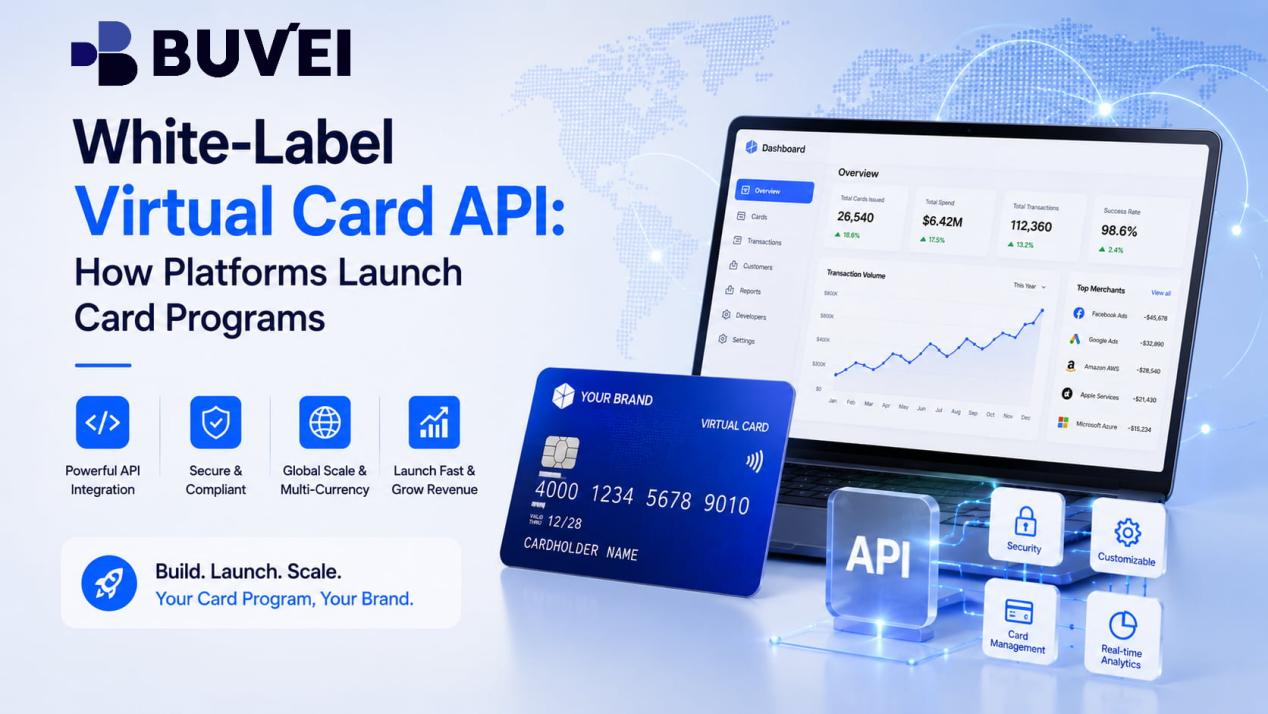
API connectivity allows businesses to integrate virtual card functions directly into existing systems, supporting:
- Automated card issuance
- Card lifecycle management
- Transaction data access
- Payment monitoring
This helps companies manage growing virtual card programs more efficiently.
Key Capabilities of a Cross-Border Virtual Card Platform
Multi-Region BIN Support for International Payments
For global payment businesses, issuing flexibility is essential when entering new markets.
A multi-region BIN structure helps companies create card programs that align with different geographic markets and payment environments.
Instead of relying on a single issuing model, businesses can build more flexible payment solutions designed for international operations.
Global Card Management and Transaction Controls
Operating a cross-border virtual card program requires strong visibility and control over payment activity.
Important capabilities include:
- User permissions
- Spending controls
- Transaction reporting
- Risk monitoring
- KYC/AML processes
- MCC-based restrictions
These controls help businesses manage international payment operations while maintaining security and operational oversight.
Cross-Border Payment Use Cases for Virtual Cards
Virtual Cards for International Supplier Payments
Companies working with overseas suppliers need payment methods that provide better control and visibility.
Virtual cards can create dedicated payment channels for supplier transactions, helping businesses manage international spending more efficiently.
Virtual Cards for Global Digital Operations
Digital businesses often rely on international advertising platforms, software services, and online tools.
Virtual card programs allow companies to create dedicated payment methods for different operational needs, making global expenses easier to manage.
How BUVEI Supports Cross-Border Virtual Card Programs
BUVEI provides a white-label virtual card platform designed for businesses expanding payment capabilities across global markets.
For cross-border payment companies, the challenge is not only issuing cards but creating programs that can support different regions, customer requirements, and operational workflows.
BUVEI helps businesses build scalable virtual card programs through:
- Visa and Mastercard virtual card issuing
- Multi-region BIN capabilities
- API-based card management
- Enterprise spending controls
- KYC/AML and risk management support
- Apple Pay and Google Pay tokenization
By using existing issuing infrastructure, FinTech companies, payment providers, digital wallets, and global businesses can expand their payment offerings without developing a complete card program internally.
Conclusion
As cross-border payments continue to evolve, businesses need payment infrastructure that can support international operations without adding unnecessary complexity.
White-label virtual card solutions give FinTech companies, payment providers, and digital platforms the flexibility to launch branded payment products while maintaining control over users, transactions, and operations.
For companies entering new markets or expanding existing payment services, choosing a virtual card platform with strong issuing capabilities, reliable integrations, and scalable controls can determine how effectively they grow their global payment offerings.