In today’s digital-first economy, the way we pay has changed dramatically. From subscriptions and SaaS tools to online ads and global e-commerce, users are moving away from traditional banking products and toward more flexible payment solutions.
Two of the most commonly compared options are virtual credit cards and physical prepaid cards. At a glance, they might seem similar—they both let you spend without exposing your primary bank account—but in practice, they serve very different purposes.
If you’re trying to decide which one fits your needs, the answer depends on how you manage money, where you spend it, and how much control you want. This guide breaks down the differences in a clear, practical way—no fluff, just what actually matters in real use.
 What Are Virtual Credit Cards
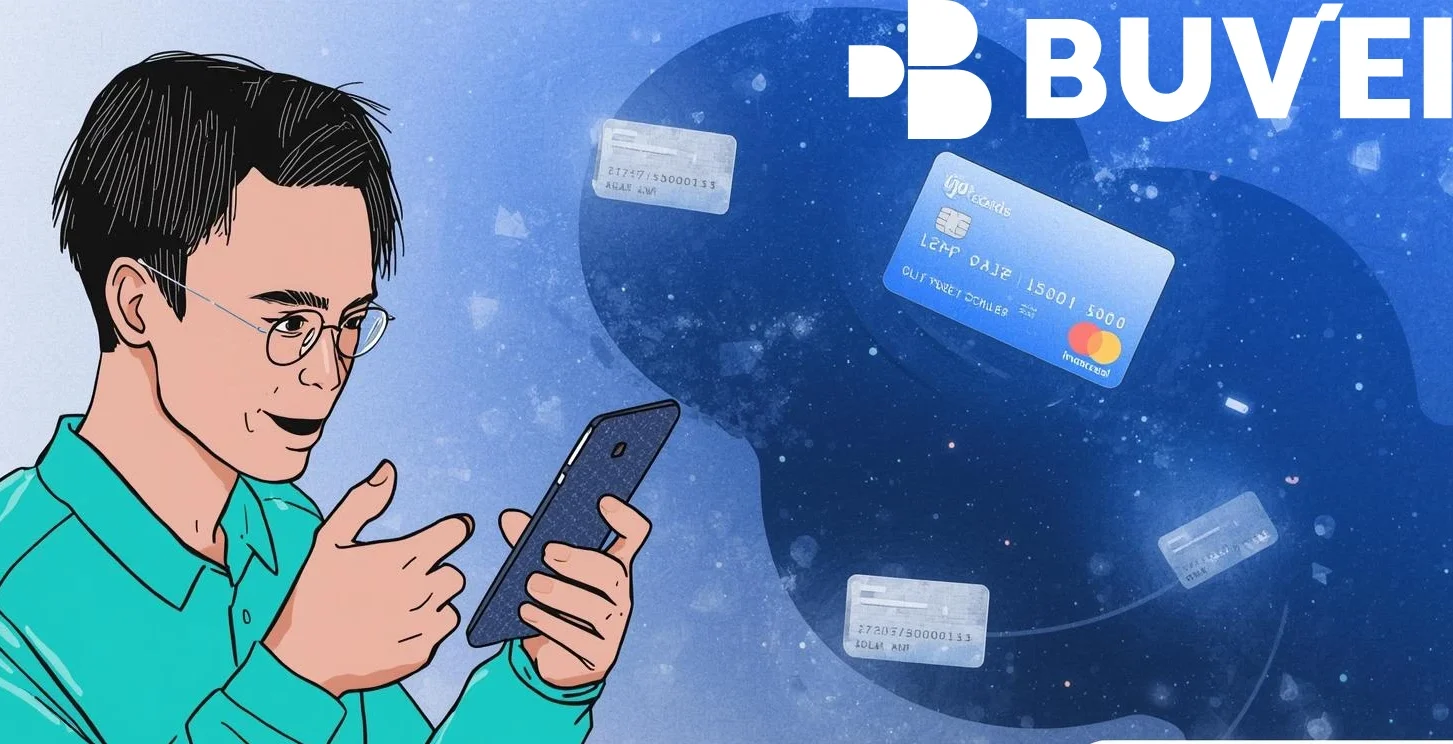
A virtual credit card is a digitally generated card number that’s linked to your main funding source (credit line, wallet, or balance), but operates independently.
You don’t get a physical card. Instead, you get:
- A unique card number
- Expiration date
- CVV
- Optional controls (limits, merchant locks, etc.)
The real advantage isn’t just convenience—it’s control.
You can create multiple cards for different purposes:
- One for subscriptions
- One for ads
- One for SaaS tools
- One for testing payments
And if something goes wrong? You just delete the card. No need to cancel your main account.
That’s why virtual cards are widely used in:
- Online payments
- Subscription management
- Advertising (Google Ads, Facebook Ads)
- SaaS billing
- Cross-border transactions
They’re designed for speed, flexibility, and security.
What Are Physical Prepaid Cards
Physical prepaid cards are exactly what they sound like—plastic cards that you load with funds in advance.
They’re not connected to a credit line. Instead:
- You preload money
- Spend only what’s loaded
- No overdraft or credit risk
These cards are often used for:
- Budget control
- Travel spending
- Gift cards
- Unbanked users
They work like debit cards, but without needing a bank account.
However, compared to virtual cards, prepaid cards are more static. You typically get:
- One card
- One balance
- Limited customization
If the card is lost or compromised, replacing it takes time.
Key Differences: Flexibility, Security, Acceptance
This is where things get interesting. While both options solve similar problems, they do it in very different ways.
Flexibility
Virtual cards are built for dynamic usage.
You can:
- Create unlimited cards
- Assign specific purposes
- Set custom limits
- Delete or pause instantly
Prepaid cards, on the other hand, are more rigid:
- One card = one pool of funds
- Limited ability to segment spending
- No real-time customization
If you’re managing multiple payments, virtual cards are significantly more efficient.
Security
Security is one of the biggest reasons people switch to virtual cards.
With virtual cards:
- Your real card details are never exposed
- Each transaction can use a separate card
- Compromised cards can be deleted instantly
With prepaid cards:
- The same card is reused across transactions
- If stolen, funds are directly at risk
- Replacement takes time
In short, virtual cards reduce attack surface, while prepaid cards mainly reduce financial exposure.
Acceptance
This is one area where physical cards still have an advantage—at least in some cases.
Prepaid cards:
- Work in physical stores (POS terminals)
- Accepted anywhere standard cards are supported
Virtual cards:
- Designed primarily for online payments
- Some may not work in offline environments
However, in 2026, most digital use cases—SaaS, ads, subscriptions—are fully compatible with virtual cards.
And with strong multi-BIN infrastructure, acceptance rates for virtual cards have improved significantly across global platforms.
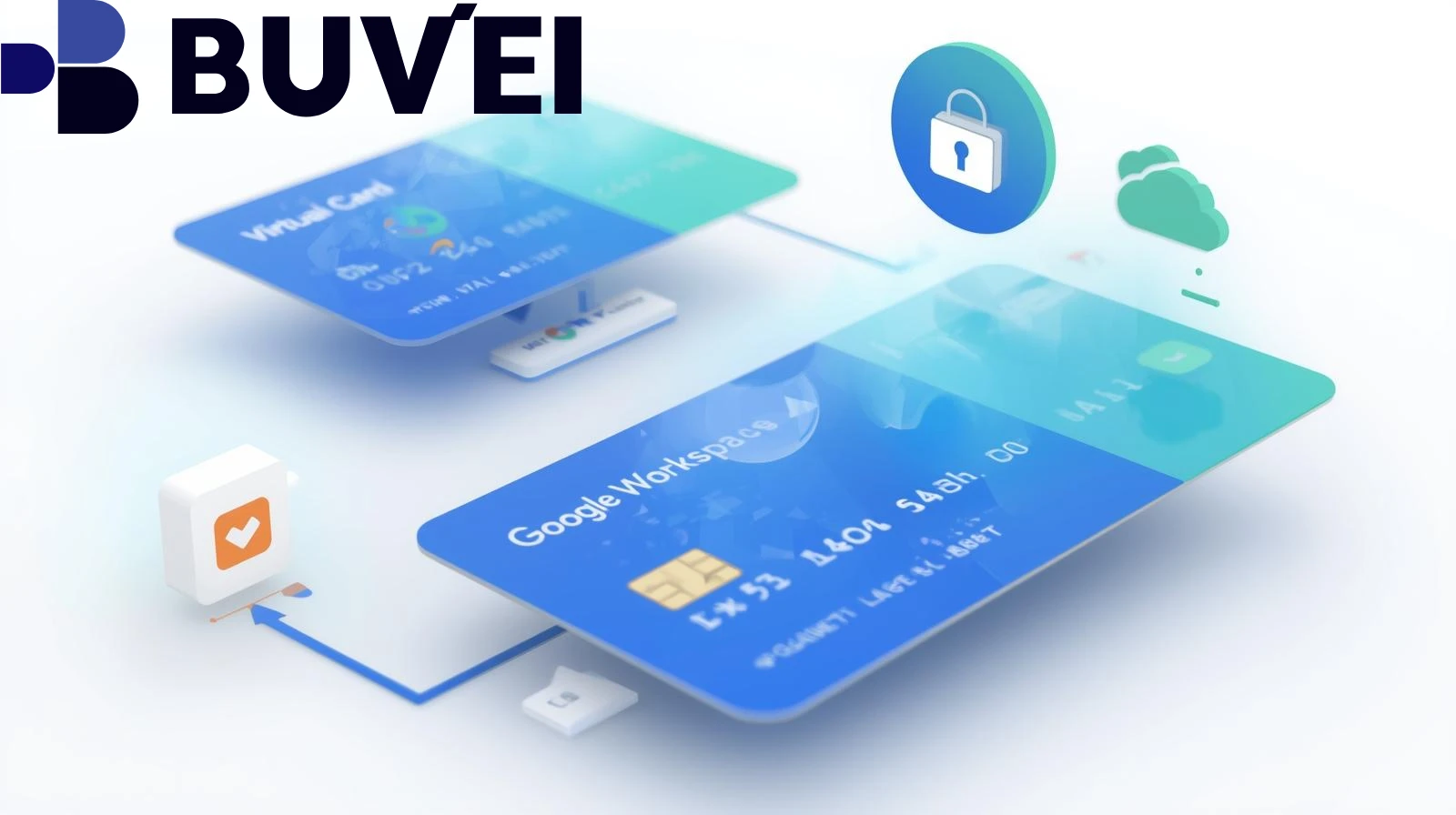 When to Use Virtual Cards vs Prepaid Cards
Choosing between the two isn’t about which is “better”—it’s about context.
Use Virtual Credit Cards When:
- You manage multiple subscriptions
- You run ad campaigns
- You pay for SaaS tools
- You need spending control per project
- You want better fraud protection
- You operate globally
Virtual cards shine in online, scalable, and automated environments.
Use Physical Prepaid Cards When:
- You need a card for in-person purchases
- You want a simple budgeting tool
- You don’t need multiple cards
- You prefer a tangible payment method
- You’re managing fixed, offline expenses
Prepaid cards are better for simple, offline, or personal use cases.
How Buvei Virtual Cards Provide More Benefits
While many virtual card providers exist, not all of them are built for real-world performance. This is where Buvei stands out.
Multi-BIN Infrastructure
One of the biggest hidden issues in online payments is card acceptance.
Buvei solves this with:
- Multiple BINs across regions
- Higher approval rates on global platforms
- Better compatibility with ads, SaaS, and subscriptions
Advanced Spending Control
With Buvei, you’re not just issuing cards—you’re managing money with precision:
- Set per-card limits
- Assign cards to specific use cases
- Control budgets in real time
This is especially useful for:
- Marketing teams
- SaaS-heavy businesses
- Agencies managing multiple clients
Instant Issuance and Deletion
Need a card? Create it in seconds.
Need to stop a charge? Delete it instantly.
No waiting. No friction.
API-Driven Automation
For businesses, Buvei offers full API integration, allowing you to:
- Automate card creation
- Assign cards programmatically
- Track spending across teams
- Integrate with internal systems
This turns virtual cards into a scalable payment infrastructure, not just a tool.
Better Security by Design
Instead of relying on one card, Buvei encourages:
- Card segmentation
- Limited exposure
- Instant risk isolation
So even if one card is compromised, the rest of your system remains unaffected.
Final Thoughts
Virtual credit cards and physical prepaid cards both have their place—but they serve different needs.
Prepaid cards are simple, reliable, and great for offline use.
Virtual cards, on the other hand, are built for the way we actually spend money today:
- Online
- Recurring
- Global
- Scalable
If your payments involve subscriptions, SaaS, ads, or cross-border transactions, virtual cards offer far more control and efficiency.
And if you need a solution that combines flexibility, security, and global acceptance, platforms like Buvei take it a step further—turning payments into something you can actually manage, not just react to.