While API payments offer convenience, they can introduce several challenges, especially for businesses managing large-scale payments across multiple platforms. Here’s a look at some of the key issues faced by businesses:
Payment Failures That Kill Campaigns Mid-Flight
Imagine running a digital marketing campaign across multiple platforms—Google, Facebook, and TikTok—and one of your payments fails to go through. Suddenly, your campaigns pause, and you're left scrambling to fix the problem. By the time you realize the issue, you’ve lost valuable impressions, conversions, and momentum on your budget. The worst part? Ad platforms like Google and Meta don’t wait around to notify you of a problem. They simply stop running your campaigns, leaving you with missed opportunities.
API payments play a critical role in these scenarios because they determine whether or not a business can continue to run its campaigns without interruption. A small payment issue can cause a huge problem, making it essential to have strong systems in place to ensure payments process smoothly every time.
 Fraud Flags from Shared Cards
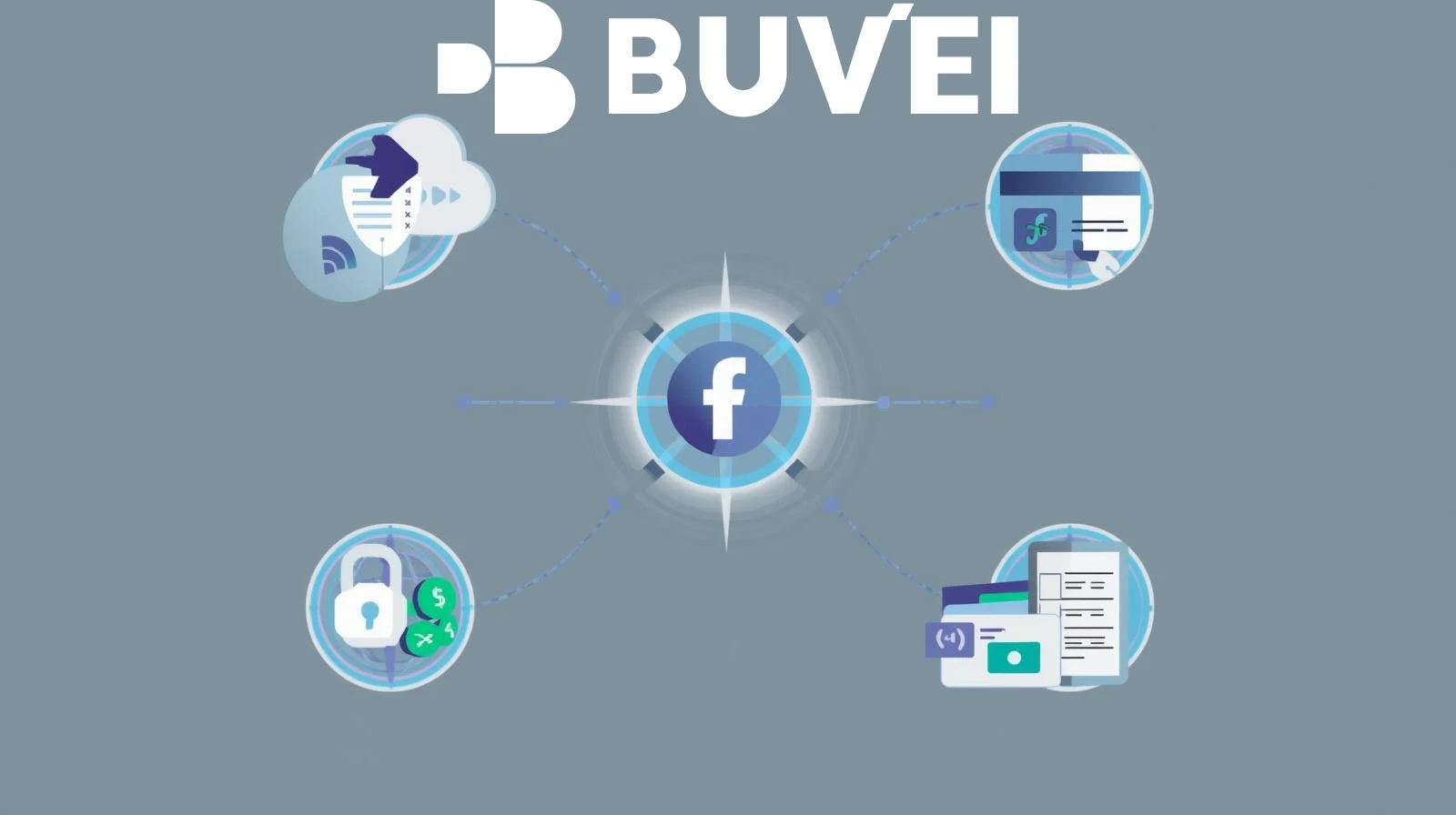
In many businesses, especially those with multiple departments or teams, a single payment method (such as a company credit card) might be shared across various platforms. While this setup may seem cost-effective, it can lead to problems when one platform triggers a fraud flag for unusual activity. This can then block payments across all platforms using that same card, creating a ripple effect that hampers the business's ability to operate.
Shared cards are often susceptible to fraud, and when businesses rely on these cards for multiple payment streams, they inadvertently create a single point of failure in their payment infrastructure. When fraud occurs, it can have a cascading impact, affecting everything from ad campaigns to cloud service subscriptions.
No Spending Visibility
Tracking real-time spending across multiple tools and platforms is a significant challenge when you rely on shared payment methods. With payments being pulled automatically from one central account or card, it becomes difficult to monitor the exact spending behavior across different services. By the time the finance team gets around to reconciling the accounts, the money is already spent, and understanding where the overspending occurred becomes a frustrating task.
Moreover, with multiple platforms each charging for different services, a detailed breakdown of how the business’s budget is being used often becomes a cumbersome, time-consuming process. Companies need visibility and control over these payments, which is difficult to achieve without proper payment management tools.
Subscription Creep
A major issue with API payments is what’s known as subscription creep. In an age of auto-renewals and continuous billing, businesses often end up paying for subscriptions they no longer use or need. Since API payments are silent—meaning charges happen automatically without manual intervention—it's easy to forget about subscriptions that aren’t actively being utilized.
This "set it and forget it" approach can be costly. Many businesses end up paying for services they haven't used in months, all because they didn’t monitor their subscription payments carefully enough. This is especially prevalent in businesses that use multiple SaaS tools, where it's easy to forget about outdated tools or underused services.
Why Virtual Cards Are Built for This
Virtual cards provide an effective solution to these problems. A virtual card is essentially a digital version of a traditional payment card, equipped with its own unique card number, expiration date, and CVV code. However, unlike physical cards, virtual cards are tied to a main account or wallet, and the key benefit is that they can be fully controlled and customized by the user.
Businesses can create a separate virtual card for each payment platform or vendor, providing unparalleled flexibility and control. Here's how:
1. One Card Per Platform, Per Purpose
One of the most effective ways to manage API payments is to issue separate virtual cards for each platform or service. For example:
- Google Ads gets its own card
- TikTok gets its own card
- Your cloud services get their own cards
By keeping each platform’s spending isolated on its own virtual card, businesses eliminate the risk of cross-platform payment failures. If one card gets flagged or fails, it won’t affect the other cards, ensuring that the rest of your operations continue without disruption.
Moreover, using individual virtual cards for each platform allows businesses to track spending in real-time. It simplifies reconciliation processes because you get clear, isolated data for each vendor or platform, making it easy to match up transactions with the associated budget.
2. Spending Limits That Actually Work
With virtual cards, businesses can set hard spending limits for each card. Instead of hoping that employees or teams don’t overspend, you can enforce a strict spending cap for each card. If the limit is reached, the card simply declines further charges. This removes the possibility of overspending and ensures that the budget is strictly adhered to.
This control is especially valuable for managing high-risk payments or experimental purchases, such as test campaigns or vendor trials, where you want to avoid overspending due to unforeseen circumstances.
3. Enhanced Fraud Protection
One of the biggest advantages of using virtual cards is the enhanced fraud protection. Since each platform or vendor has its own dedicated card, a fraudulent transaction on one card won’t affect the rest of your payment infrastructure. If a fraud alert is triggered on a virtual card, only that card is compromised, leaving the other platforms and services unaffected.
Additionally, many virtual card providers offer options to lock or disable cards instantly if they’re no longer needed. This means that even if a card is compromised, businesses can act quickly to mitigate damage and protect their financial assets.
4. Subscription Management
Managing recurring subscriptions is much easier with virtual cards. Since each service gets its own card, businesses can quickly identify which subscriptions are still active and which are no longer in use. If a subscription is no longer needed, the card can be locked or deleted, preventing unwanted charges from accumulating.
This feature is particularly valuable for businesses that rely on multiple SaaS tools or services. By controlling the subscriptions and eliminating unused ones, companies can better manage their ongoing expenses and prevent subscription creep.
 How Buvei Fits Into This
Buvei is a virtual card platform specifically designed to streamline payment management for businesses that handle multiple API payments across various platforms. Buvei’s features make it an ideal solution for managing digital marketing campaigns, subscriptions, and other recurring payments. Here’s how Buvei stands out:
1. Instant Card Issuance
Buvei issues virtual cards in under three minutes. This rapid card issuance is essential for businesses running time-sensitive ad campaigns or making urgent purchases. Businesses can get started with their campaigns immediately, without waiting for approval or physical card delivery.
2. 30+ Trusted BINs (Bank Identification Numbers)
Buvei supports over 30 trusted BINs across both Visa and Mastercard networks. This ensures that the virtual cards work reliably with most platforms, reducing the chances of cards being declined due to BIN restrictions.
3. Crypto Top-Up Support
For businesses that operate with crypto or want to convert their crypto holdings into usable card balances, Buvei offers support for top-ups via USDT (Tether) and wire transfer. This functionality removes the friction point that many traditional card providers don’t address, making it easier for crypto-focused businesses to integrate virtual cards into their payment infrastructure.
4. Dedicated Cards for Ad Platforms
Buvei provides virtual cards optimized for specific ad platforms like Google Ads, Meta Ads, and TikTok Ads. These cards are designed to work seamlessly with each platform’s billing infrastructure, ensuring smooth and uninterrupted ad campaigns.
5. Budget Management and Reconciliation Tools
Buvei includes built-in tools for budget tracking, expense reporting, and reconciliation. Businesses can access a single, unified dashboard to track spending across all platforms, reducing the need for manual data entry and saving time on financial reporting.
Conclusion
Managing API payments and digital marketing campaigns presents several challenges, from fraud risks to payment failures and subscription creep. However, by leveraging virtual cards, businesses can gain greater control over their spending, reduce fraud risks, and make their payment infrastructure more efficient.
Platforms like Buvei provide a comprehensive solution for businesses looking to streamline payment management, enhance visibility, and ensure budget control. With virtual cards, businesses can easily manage payments across different platforms, avoid overspending, and ensure that their financial operations run smoothly. As payment infrastructure continues to evolve, virtual cards are becoming an essential tool for businesses seeking better spend control in the digital age.
By adopting virtual cards for API payments, businesses can not only improve financial oversight but also stay ahead of potential payment issues, ensuring that they can focus on growth and long-term success without worrying about financial disruptions.