In the fast-evolving landscape of digital finance, virtual cards have emerged as one of the most efficient tools for businesses and individuals to manage expenses securely. Beyond the core benefit of preventing fraud and streamlining online transactions, a growing number of fintech providers now offer virtual cards with cashback rewards, giving users the dual advantage of financial control and tangible savings.
As companies increasingly shift their advertising, subscriptions, and SaaS payments online, cashback-enabled virtual cards are becoming a strategic financial instrument — not just a convenience. In this article, we’ll explore how cashback virtual cards work, why they benefit both small businesses and enterprises, and how to choose the right provider to maximize returns. 
What Is a Virtual Card with Cashback Rewards?
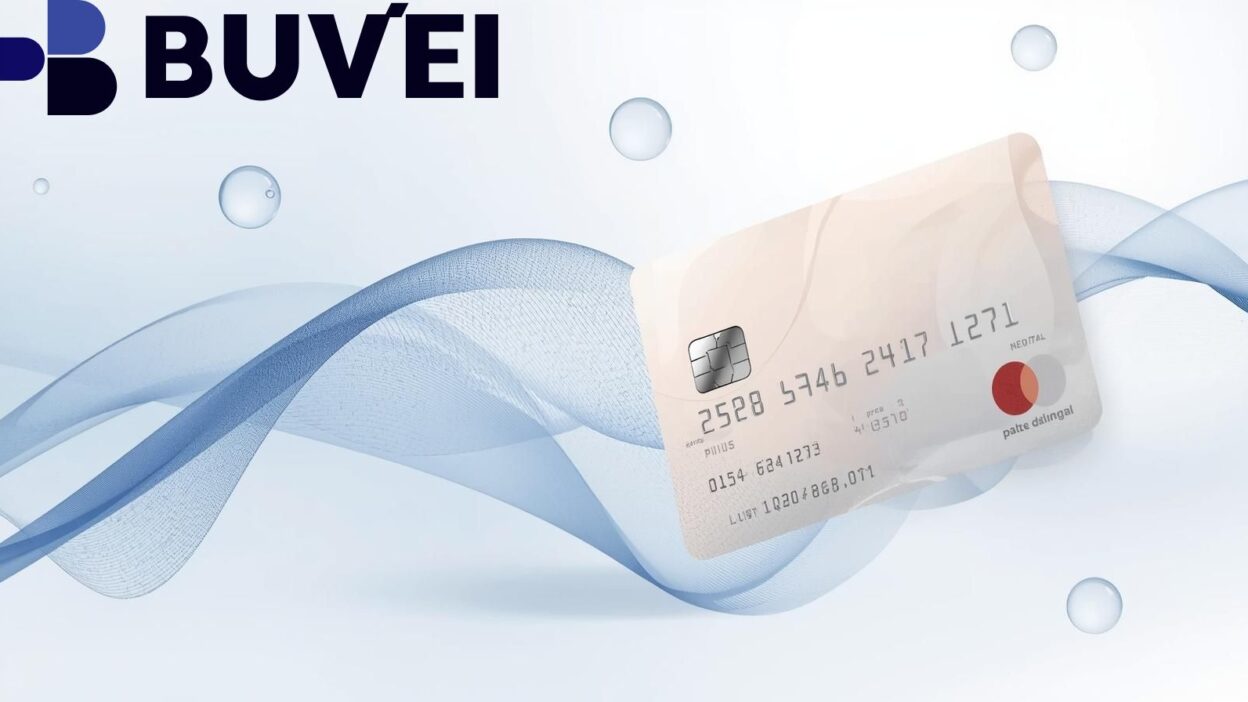
A virtual card is a digital version of a physical payment card that exists entirely online, featuring a unique card number, CVV, and expiration date generated for each transaction or account. These cards can be issued instantly and used for online purchases, digital subscriptions, or corporate expenses.
When combined with cashback rewards, users can earn a percentage of their spending back as credit or cash. For example, a fintech platform might offer 1–3% cashback on advertising expenses, software tools, or e-commerce transactions. Over time, these rewards can significantly offset business costs, making virtual cards a cost-effective tool for managing corporate budgets.
Why Businesses Are Switching to Cashback Virtual Cards
a. Reduced Fraud and Greater Security
Unlike traditional cards, virtual cards can be locked, deleted, or regenerated instantly, minimizing exposure in case of data breaches. Each transaction can even have a unique card number, ensuring vendors cannot reuse it.
b. Expense Control and Transparency
Virtual cards provide real-time tracking through dashboards or APIs, allowing finance teams to monitor spend by department, project, or employee. This transparency helps prevent overspending and streamlines reconciliation.
c. Cashback as a Financial Efficiency Tool
Cashback incentives add a layer of financial optimization. Businesses can recapture up to 3% of their digital spend, effectively reinvesting savings into marketing or operational budgets.
For example, a company spending $100,000 per month on Meta or Google Ads could earn back $2,000–$3,000 monthly — enough to fund other marketing experiments or team software licenses.
Choosing the Right Cashback Virtual Card Provider
Selecting the ideal provider depends on your business needs, transaction volume, and preferred integration features. Here are the main criteria to consider:
a. Reward Structure and Eligible Categories
Not all cashback programs are created equal. Some providers only offer rewards on specific categories (e.g., advertising, SaaS, travel). Evaluate where your business spends most and choose a card that maximizes those areas.
b. Integration and Automation Capabilities
Look for cards that integrate seamlessly with accounting platforms like FreshBooks, QuickBooks, or Xero, and provide API support for automating reconciliation and spend tracking. This eliminates manual data entry and minimizes human error.
c. Limits, Fees, and Payouts
Review the fine print: some cards have spend thresholds, monthly caps, or payout delays. Ideally, select a provider that offers instant cashback crediting or monthly statement adjustments without hidden fees.
d. Multi-Currency and Global Usage
For businesses with international teams or cross-border ad spend, multi-currency support is essential. The best virtual card platforms allow users to pay in USD, EUR, SGD, or AED, avoiding unnecessary conversion fees.
Practical Strategies to Maximize Cashback Value
To make the most of cashback rewards, businesses should follow a few optimization strategies:
-
Centralize payments for all digital subscriptions, ads, and software under one cashback-enabled virtual card system.
-
Use dynamic limits to control employee or department-level spending, ensuring funds are used efficiently.
-
Track performance monthly: compare cashback earned against total spend to identify where you can shift more payments to reward-eligible categories.
-
Negotiate with providers — some fintech platforms offer custom cashback tiers for high-volume clients, especially agencies or e-commerce businesses.
By combining these strategies, businesses can transform virtual cards from a payment method into a profit-enhancing financial asset.

Conclusion
The rise of virtual cards with cashback rewards marks a major step in the evolution of modern financial management. Beyond convenience and security, these tools empower businesses to extract more value from their everyday expenses. Whether you’re a startup controlling SaaS subscriptions or a marketing agency managing global ad budgets, cashback-enabled virtual cards can provide measurable financial advantages.
In an increasingly digital and data-driven economy, the ability to automate payments, monitor spend, and earn rewards is no longer optional — it’s a competitive necessity. Choosing the right provider and implementing strategic usage can help your business save more, spend smarter, and scale faster.