Virtual card declined is a common issue when making online payments with a virtual card. You may have sufficient balance and correct card details, yet the transaction can still fail because of merchant rules, payment verification, or issuer restrictions.
The card details are correct. Your balance is available. Nothing appears to be wrong, yet the payment still does not go through.
A declined virtual card does not always mean the card itself has a problem. In many cases, the failure comes from how the transaction is evaluated by the merchant, payment processor, or card issuer.
Understanding what causes these declines can help you avoid repeated payment failures, especially when using virtual cards for advertising platforms, SaaS subscriptions, and international payments.
Why Is My Virtual Card Declined? Common Causes Explained
A virtual card can be declined even when it is active and has available funds.
The reason is that online payments are not based only on balance. Merchants, payment processors, and issuers evaluate factors such as card type, transaction details, and risk signals before approving a payment.
One common reason is merchant acceptance rules. Some platforms restrict certain virtual cards or prepaid-style cards, especially for digital services, subscriptions, and advertising accounts.
Card issuing details can also affect approval. Some merchants consider factors such as the card issuer and region, which is why a virtual card may work on one platform but fail on another.
If your card fails across multiple merchants, check your card settings, provider restrictions, or transaction limits. If it only fails on one platform, the issue is more likely related to the merchant’s payment rules.
Why Is My Virtual Card Declined Even With Balance Available?
Having enough balance does not guarantee payment approval.
A decline is not always caused by insufficient funds. Merchants also evaluate card verification, transaction patterns, and risk factors before approving payments.
A payment may fail because the merchant cannot verify the card, the issuer applies additional security checks, or the transaction does not meet platform requirements.
This is common with recurring payments.
A virtual card may successfully complete the first subscription payment but fail during renewal because recurring transactions can be reviewed differently from initial purchases.
In many cases, the problem is not the balance itself. It is how the payment system evaluates the transaction.
How to Fix a Virtual Card Declined Payment
The fastest way to fix a declined virtual card is to identify where the failure happens.
If the payment fails on one specific platform, check whether the merchant accepts virtual cards and whether your billing information matches your account details.
For subscription services, confirm that recurring payments are supported. Some platforms apply stricter verification during renewals.
If the card fails across multiple platforms, review your card status, spending limits, and transaction restrictions.
For international payments, using a virtual card designed for global online transactions can improve reliability by supporting a wider range of merchant environments.
Virtual Card Declined for Ads, Subscriptions, and SaaS Payments
Virtual card declines are especially important for businesses that depend on online platforms.
Advertising platforms such as Google Ads, Meta Ads, and TikTok Ads often apply stricter payment checks because of higher spending volumes and account monitoring.
A failed payment can interrupt campaigns, delay spending, and affect business performance.
The same challenge appears with AI tools and SaaS subscriptions.
Recurring billing systems may apply additional verification during renewals, causing unexpected declines even when the original payment was successful.
For companies managing multiple digital services, payment reliability becomes part of daily operations.
How BUVEI Helps Solve Virtual Card Declined Issues
For companies operating globally, a virtual card declined issue is not simply about having a virtual card. It is about maintaining reliable payments across different platforms and regions.
BUVEI provides Visa and Mastercard virtual cards designed for international online payments, including advertising spend, SaaS subscriptions, and digital business expenses.
With multi-BIN support, businesses can access different issuing options based on their payment requirements and target markets. This flexibility helps companies manage situations where merchants apply different acceptance rules.
BUVEI also supports funding through USDT and USDC on TRC-20 and ERC-20 networks, helping businesses simplify cross-border payment workflows.
How to Create Your BUVEI Virtual Card
If you need a virtual card for advertising platforms, SaaS subscriptions, or international payments, you can create a BUVEI virtual card through a simple setup process.
Step 1: Create Your BUVEI Account
Start by clicking “Start Free” and creating your BUVEI account.
After completing the account setup, you can access your dashboard and prepare your account for card creation.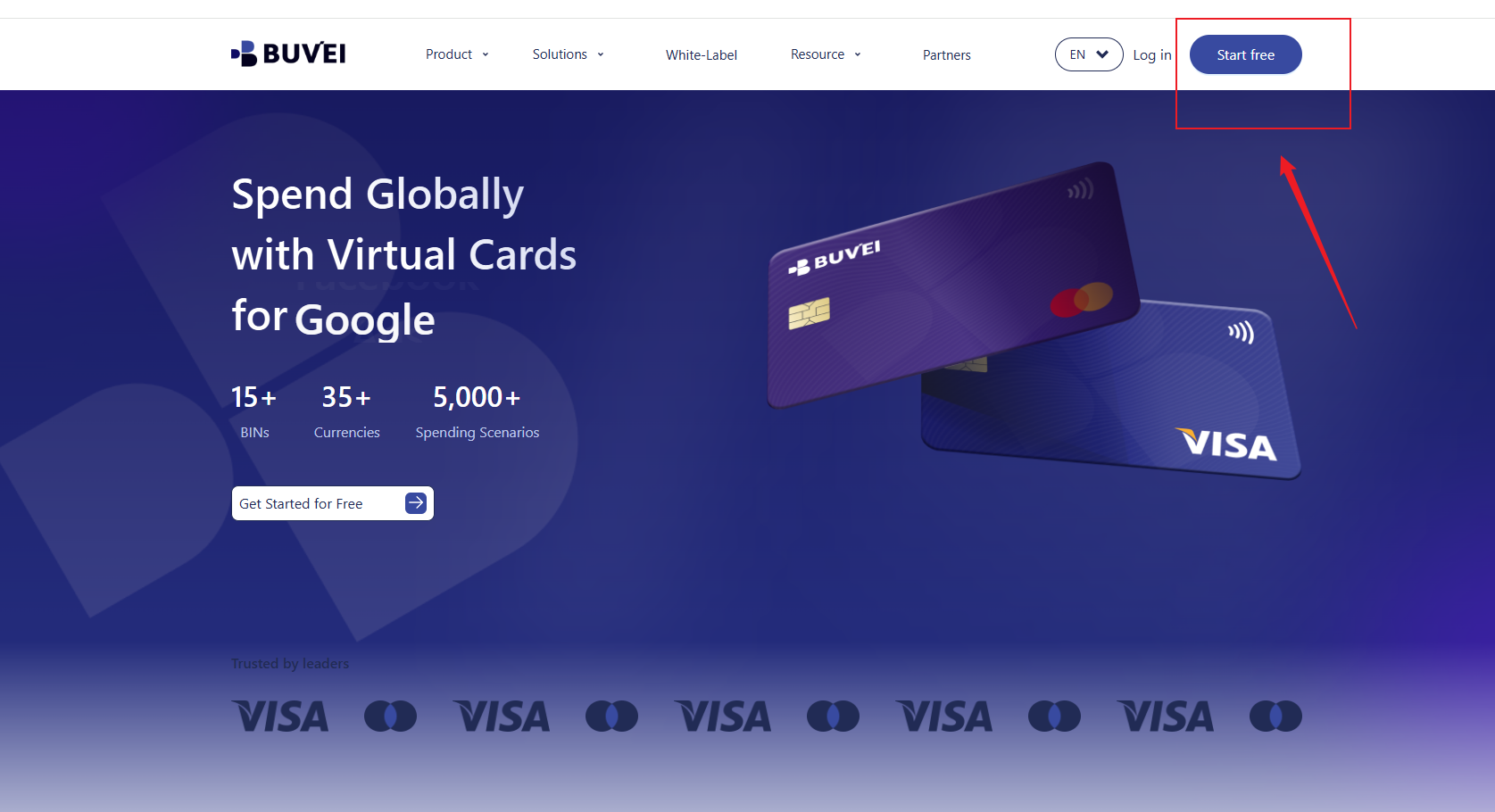
Step 2: Add Funds to Your BUVEI Wallet
Before issuing a virtual card, add funds to your wallet.
Go to “Wallet” and select “Top Up.”
BUVEI supports funding through USDT (TRC-20/ERC-20) and other supported stablecoins.
After receiving your unique wallet address, send your funds to complete the deposit. Once confirmed, your balance will be available for issuing virtual cards.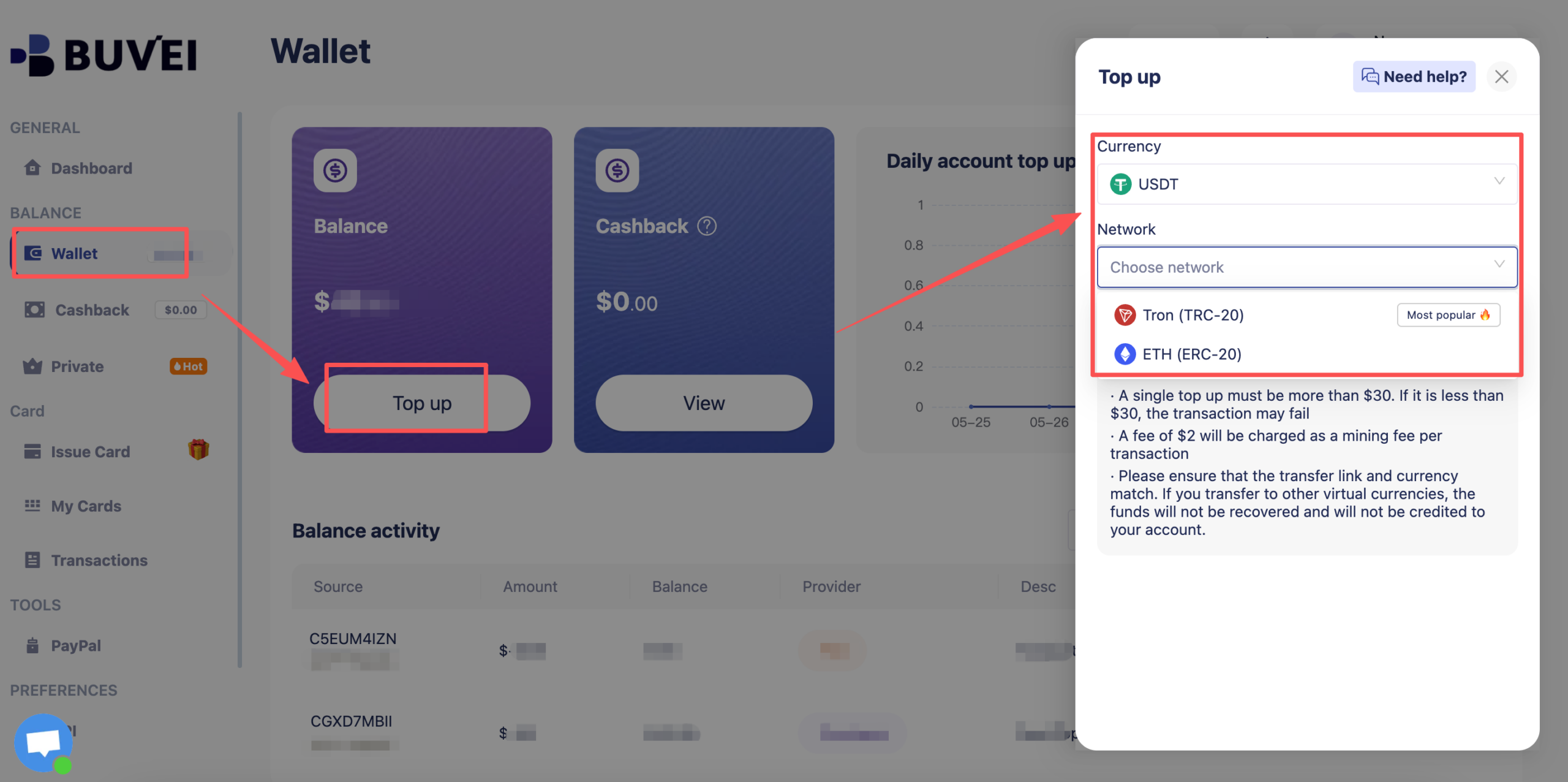
Step 3: Create Your Virtual Card
Go to “Issue Card”, select your preferred card type, and click “Issue.”
Enter the card name, amount, and quantity, then select “Issue Credit Card” to complete the card creation process.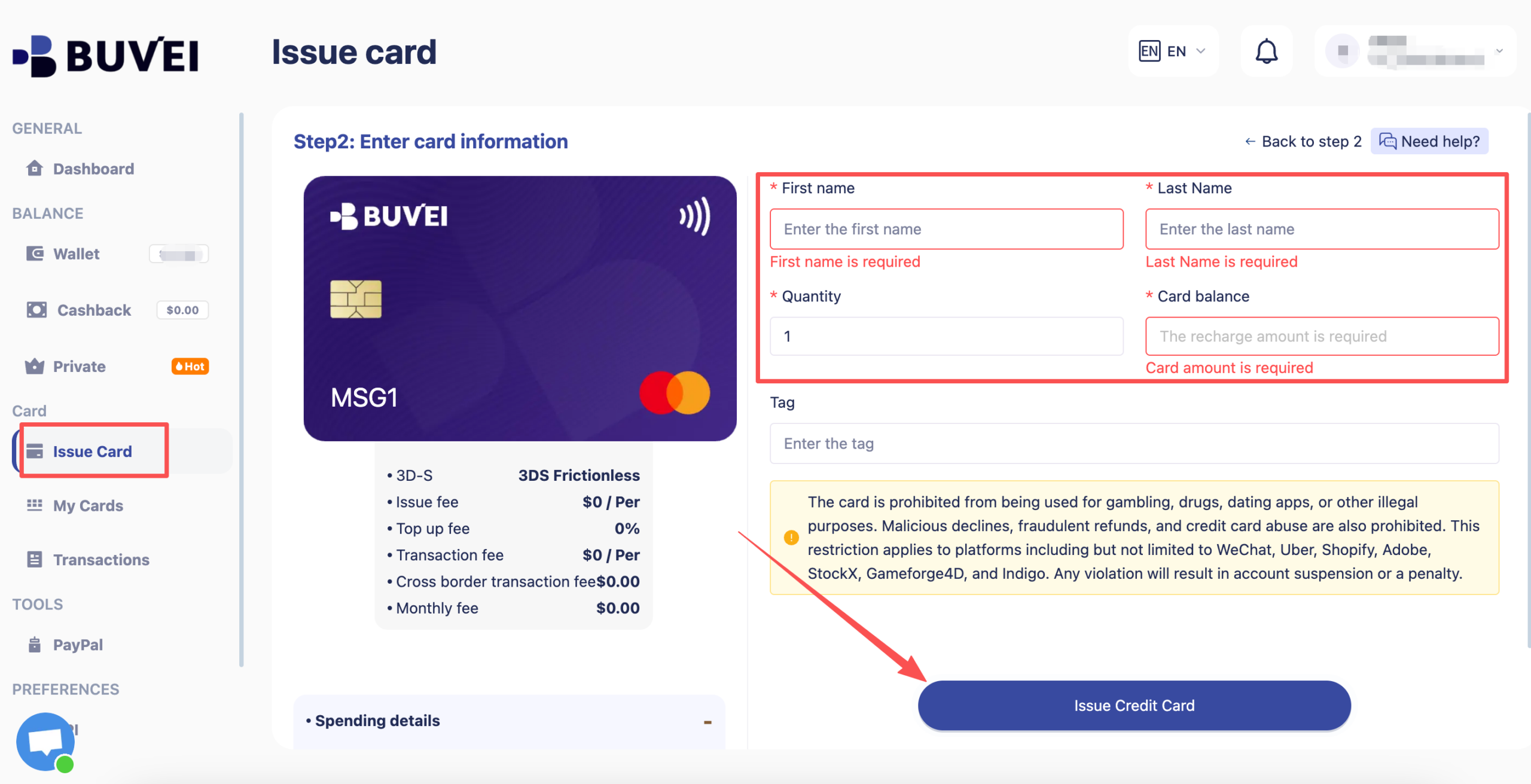
Step 4: Access and Manage Your Card
Go to “My Cards” to view your card details, including the card number, expiration date, and CVV.
You can review your funding and spending activity through the “Transactions” section to better manage your payments.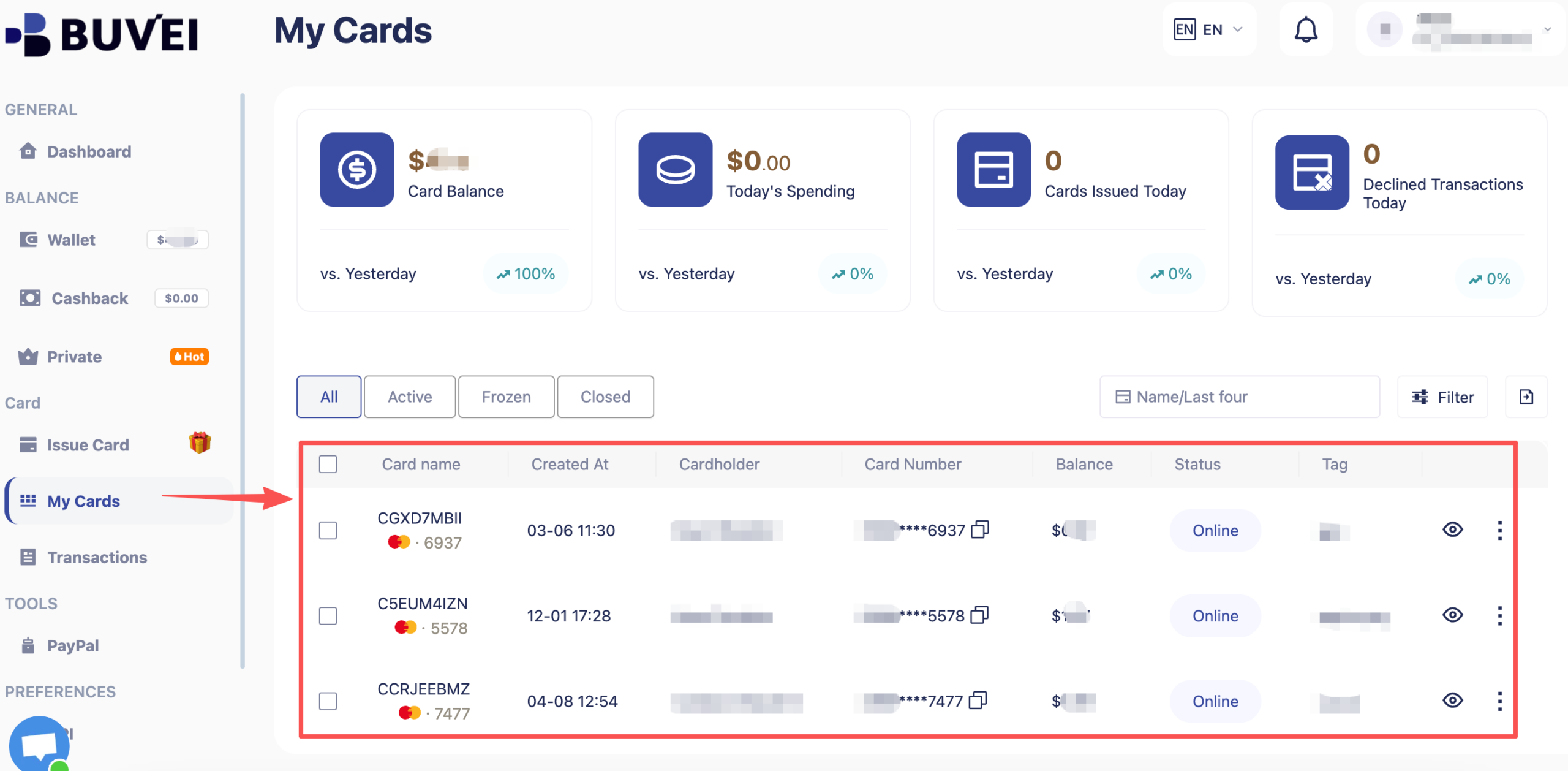
Frequently Asked Questions
Can merchants reject virtual cards?
Yes. Some merchants restrict certain virtual cards or prepaid-style cards because of their internal payment policies and fraud prevention systems.
Do virtual cards work for subscriptions?
Many virtual cards support subscription payments, but approval depends on the merchant’s billing system and verification requirements.
Are virtual cards suitable for international payments?
Yes. Virtual cards are widely used for international online payments because they provide flexible access to digital payment services across different markets.
Final Thoughts
A virtual card declined payment does not always mean the card is unusable.
The issue may come from merchant restrictions, verification requirements, issuing information, or transaction controls.
The key is identifying where the payment process failed and choosing a payment solution that matches your business needs.
For companies managing advertising campaigns, SaaS subscriptions, and international transactions, reliable virtual card infrastructure can help reduce payment interruptions and support smoother global operations.