Get it on Google Play
Buvei – Multi-BIN Virtual Cards, Issued Instantly
Download on the App Store
Buvei – Multi-BIN Virtual Cards, Issued Instantly
🎉 Sign up today and get $5 in free card opening credit

バーチャルカード拒否の全要因・解決策 BUVEI カード作成完全ガイド

Virtual Card Declined? Why It Happens & How to Fix It (2026) You try to pay online with your virtual card, but the transaction gets declined. The card details are correct. Your balance is available. Nothing appears to be wrong, yet the payment still does not go through. A declined virtual card does not always mean the card itself has a problem. In many cases, the failure comes from how the transaction is evaluated by the merchant, payment processor, or card issuer. Understanding what causes these declines can help you avoid repeated payment failures, especially when using virtual cards for advertising platforms, SaaS subscriptions, and international payments. Why Is My Virtual Card Declined? A virtual card can be declined even when it is active and has available funds. The reason is that online payments are not based only on balance. Merchants, payment processors, and issuers evaluate factors such as card type, transaction details, and risk signals before approving a payment. One common reason is merchant acceptance rules. Some platforms restrict certain virtual cards or prepaid-style cards, especially for digital services, subscriptions, and advertising accounts. Card issuing details can also affect approval. Some merchants consider factors such as the card issuer and region, which is why a virtual card may work on one platform but fail on another. If your card fails across multiple merchants, check your card settings, provider restrictions, or transaction limits. If it only fails on one platform, the issue is more likely related to the merchant’s payment rules. Why Is My Virtual Card Declined Even With Money? Having enough balance does not guarantee payment approval. A decline is not always caused by insufficient funds. Merchants also evaluate card verification, transaction patterns, and risk factors before approving payments. A payment may fail because the merchant cannot verify the card, the issuer applies additional security checks, or the transaction does not meet platform requirements. This is common with recurring payments. A virtual card may successfully complete the first subscription payment but fail during renewal because recurring transactions can be reviewed differently from initial purchases. In many cases, the problem is not the balance itself. It is how the payment system evaluates the transaction. How to Fix a Declined Virtual Card Payment The fastest way to fix a declined virtual card is to identify where the failure happens. If the payment fails on one specific platform, check whether the merchant accepts virtual cards and whether your billing information matches your account details. For subscription services, confirm that recurring payments are supported. Some platforms apply stricter verification during renewals. If the card fails across multiple platforms, review your card status, spending limits, and transaction restrictions. For international payments, using a virtual card designed for global online transactions can improve reliability by supporting a wider range of merchant environments. Virtual Card Declined for Ads, Subscriptions, and SaaS Payments Virtual card declines are especially important for businesses that depend on online platforms. Advertising platforms such as Google Ads, Meta Ads, and TikTok Ads often apply stricter payment checks because of higher spending volumes and account monitoring. A failed payment can interrupt campaigns, delay spending, and affect business performance. The same challenge appears with AI tools and SaaS subscriptions. Recurring billing systems may apply additional verification during renewals, causing unexpected declines even when the original payment was successful. For companies managing multiple digital services, payment reliability becomes part of daily operations. How BUVEI Helps Improve Virtual Card Payment Reliability For companies operating globally, the challenge is not simply having a virtual card. It is maintaining reliable payments across different platforms and regions. BUVEI provides Visa and Mastercard virtual cards designed for international online payments, including advertising spend, SaaS subscriptions, and digital business expenses. With multi-BIN support, businesses can access different issuing options based on their payment requirements and target markets. This flexibility helps companies manage situations where merchants apply different acceptance rules. BUVEI also supports funding through USDT and USDC on TRC-20 and ERC-20 networks, helping businesses simplify cross-border payment workflows. How to Create Your BUVEI Virtual Card If you need a virtual card for advertising platforms, SaaS subscriptions, or international payments, you can create a BUVEI virtual card through a simple setup process. Step 1: Create Your BUVEI Account Start by clicking “Start Free” and creating your BUVEI account. After completing the account setup, you can access your dashboard and prepare your account for card creation. Step 2: Add Funds to Your BUVEI Wallet Before issuing a virtual card, add funds to your wallet. Go to “Wallet” and select “Top Up.” BUVEI supports funding through USDT (TRC-20/ERC-20) and other supported stablecoins. After receiving your unique wallet address, send your funds to complete the deposit. Once confirmed, your balance will be available for issuing virtual cards. Step 3: Create Your Virtual Card Go to “Issue Card”, select your preferred card type, and click “Issue.” Enter the card name, amount, and quantity, then select “Issue Credit Card” to complete the card creation process. Step 4: Access and Manage Your Card Go to “My Cards” to view your card details, including the card number, expiration date, and CVV. You can review your funding and spending activity through the “Transactions” section to better manage your payments. Frequently Asked Questions Can merchants reject virtual cards? Yes. Some merchants restrict certain virtual cards or prepaid-style cards because of their internal payment policies and fraud prevention systems. Do virtual cards work for subscriptions? Many virtual cards support subscription payments, but approval depends on the merchant’s billing system and verification requirements. Are virtual cards suitable for international payments? Yes. Virtual cards are widely used for international online payments because they provide flexible access to digital payment services across different markets. Final Thoughts A declined virtual card payment does not always mean the card is unusable. The issue may come from merchant restrictions, verification requirements, issuing information, or transaction controls. The key is identifying where the payment process failed and choosing a payment solution that matches your business needs. For companies managing advertising campaigns, SaaS subscriptions, and international transactions, reliable virtual card infrastructure can help reduce payment interruptions and support smoother global operations.

はじめに

オンライン決済時にバーチャルカードが拒否されるトラブルは非常に多発します。残高は十分、カード情報も完全に正しいにもかかわらず、加盟店ルール、決済認証、カード発行元の制限により取引が失敗するケースが後を絶ちません。
カード情報に誤りなし、残高も充足、一見何の問題もない状態でも、支払いが通過しない現象が頻繁に発生します。
バーチャルカードの拒否=カード本体の故障とは限りません。大半の失敗は、加盟店、決済代行業者、カード発行元による取引審査プロセスに起因します。
拒否要因を把握することで、広告プラットフォーム、SaaS サブスク、海外決済での連続的な決済失敗を回避できます。

バーチャルカードが拒否される代表的要因

カードが有効で残高が十分にあっても、決済が弾かれることは一般的です。
オンライン支払いの承認基準は残高だけではなく、加盟店・決済処理業者・発行元がカード種別、取引詳細、リスク信号など複数項目を総合的に審査します。
  • 加盟店の受け入れ制限

    一部プラットフォームは内部の不正防止ポリシーにより、特定のバーチャルカード・プリペイドカードを制限しており、デジタルサービス、サブスク、広告アカウントで顕著です。

  • カード発行地域・BIN による審査差

    加盟店はカード発行元や地域をリスク判定に活用するため、あるサイトで通るカードが別サイトで拒否される現象が起きます。

  • 複数サイトで連続失敗する場合

    カードの設定、プロバイダーの制限、取引上限額を確認する必要があります。

  • 単一プラットフォームだけ失敗する場合

    対象加盟店独自の支払ルールが原因の可能性が高いです。

残高が十分なのにバーチャルカードが拒否される理由

残高充足は決済承認の保証にはなりません。
拒否の根本原因が残高不足であるケースは少なく、加盟店のカード認証不備、発行元の追加セキュリティ審査、プラットフォームの取引規定違反などが大半です。
特に継続課金で頻出するトラブルです。

初回のサブスク決済は正常通過しても、更新時は一回限りの購入と異なる厳格な審査が実施され、予期せぬ拒否が発生します。

多くの事例で問題は残高ではなく、各種支払システムの取引評価ロジックに存在します。BUVEI virtual card dashboard for managing international payments
バーチャルカード拒否エラーの解決手順

最も迅速な改善方法は、障害発生箇所を切り分けることです。
  1. 特定一つのプラットフォームのみ失敗

    加盟店がバーチャルカードに対応しているか確認、請求情報をアカウント登録情報と完全一致させる。

  2. サブスクリプション利用時

    定期継続課金に対応しているか確認。更新時に通常より厳しい認証が走るケースが多い。

  3. 複数サイト全てで決済が弾かれる

    カードの有効状態、支出上限、取引制限を点検する。

  4. 海外クロスボーダー決済の場合

    多様な加盟店環境に対応するグローバル向けバーチャルカードに切り替え、決済安定性を向上させる。

広告・サブスク・SaaS 決済でバーチャルカードが拒否される業務リスク

オンラインプラットフォームを業務基盤とする企業にとって、カード拒否の影響は甚大です。
Google Ads、Meta Ads、TikTok Ads などの広告プラットフォームは高額な継続出稿を監視するため、通常より厳しい支払審査を実施します。
一度の決済失敗でキャンペーンが一時停止、予算配分が遅延し、業績に直接悪影響を及ぼします。
AI ツールや SaaS サブスクでも同様の課題が発生します。

継続課金システムは更新時に追加認証を走らせ、初回決済が正常でも突如アクセス遮断が起きます。

複数のデジタルサービスを運用する企業にとって、決済の安定性は日常業務を支える必須要素となります。

BUVEI がバーチャルカード拒否トラブルを解消する仕組み

グローバル展開企業にとって、課題は単にバーチャルカードを保有することではなく、多種多様なプラットフォーム・地域で安定した支払いを維持することです。
BUVEI は広告費、SaaS 継続課金、各種デジタル法人支出向けに設計された Visa・Mastercard バーチャルカードを提供します。
複数 BIN に対応しており、企業は決済用途や対象市場に合わせて発行元オプションを選択可能。加盟店ごとに異なる受け入れルールに柔軟に適応し、拒否率を大幅に低減します。
また TRC-20、ERC-20 ネットワークの USDT、USDC による残高チャージに対応し、企業のクロスボーダー資金管理フローを簡素化します。

BUVEI バーチャルカード作成 4 ステップ

広告プラットフォーム、SaaS サブスク、海外決済に利用するバーチャルカードは簡単な手順で作成可能です。

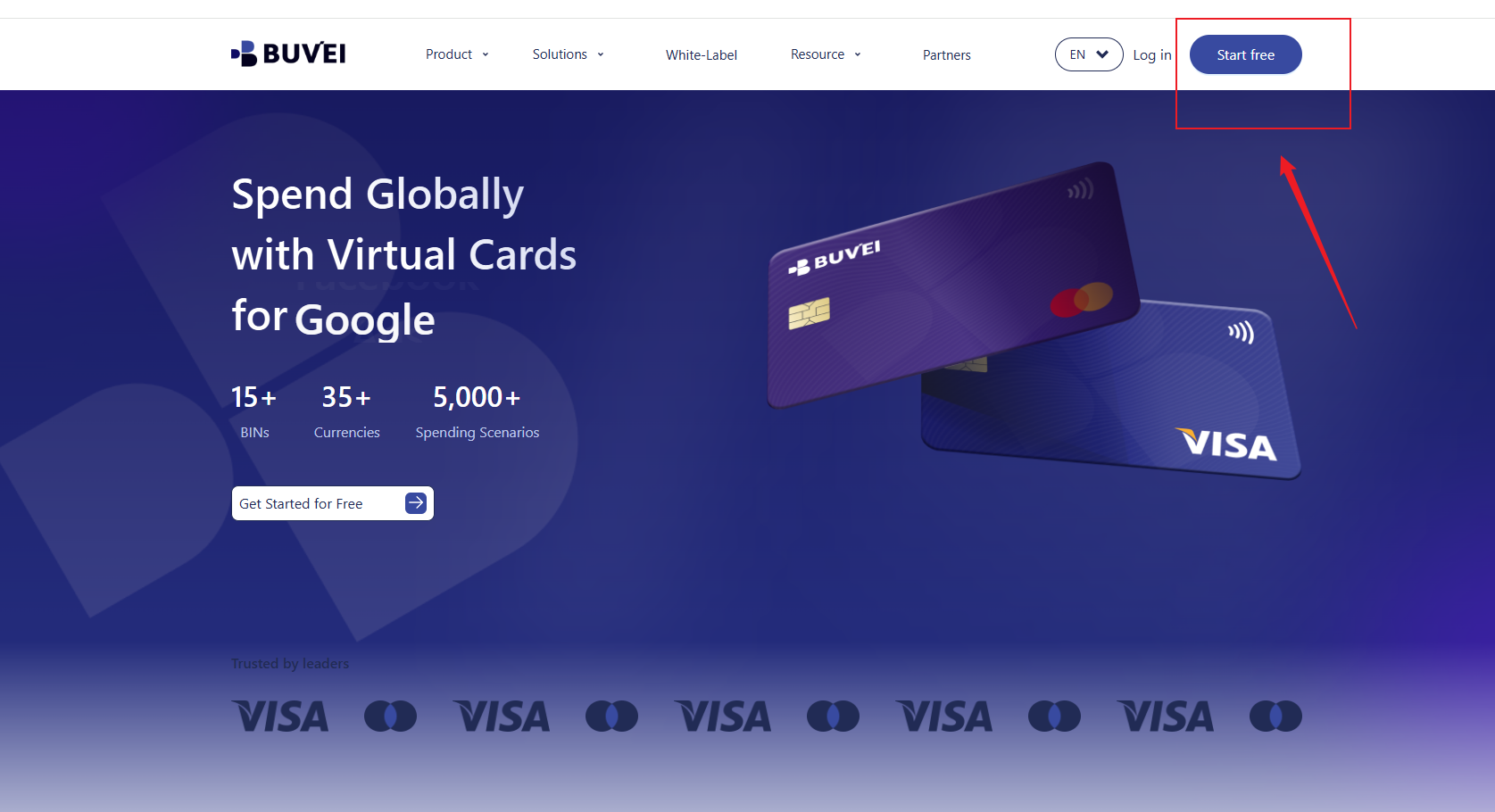
ステップ 1:BUVEI アカウント作成

「Start Free」をクリックしてアカウントを新規登録。

登録完了後ダッシュボードにアクセスし、カード発行の事前準備を行います。
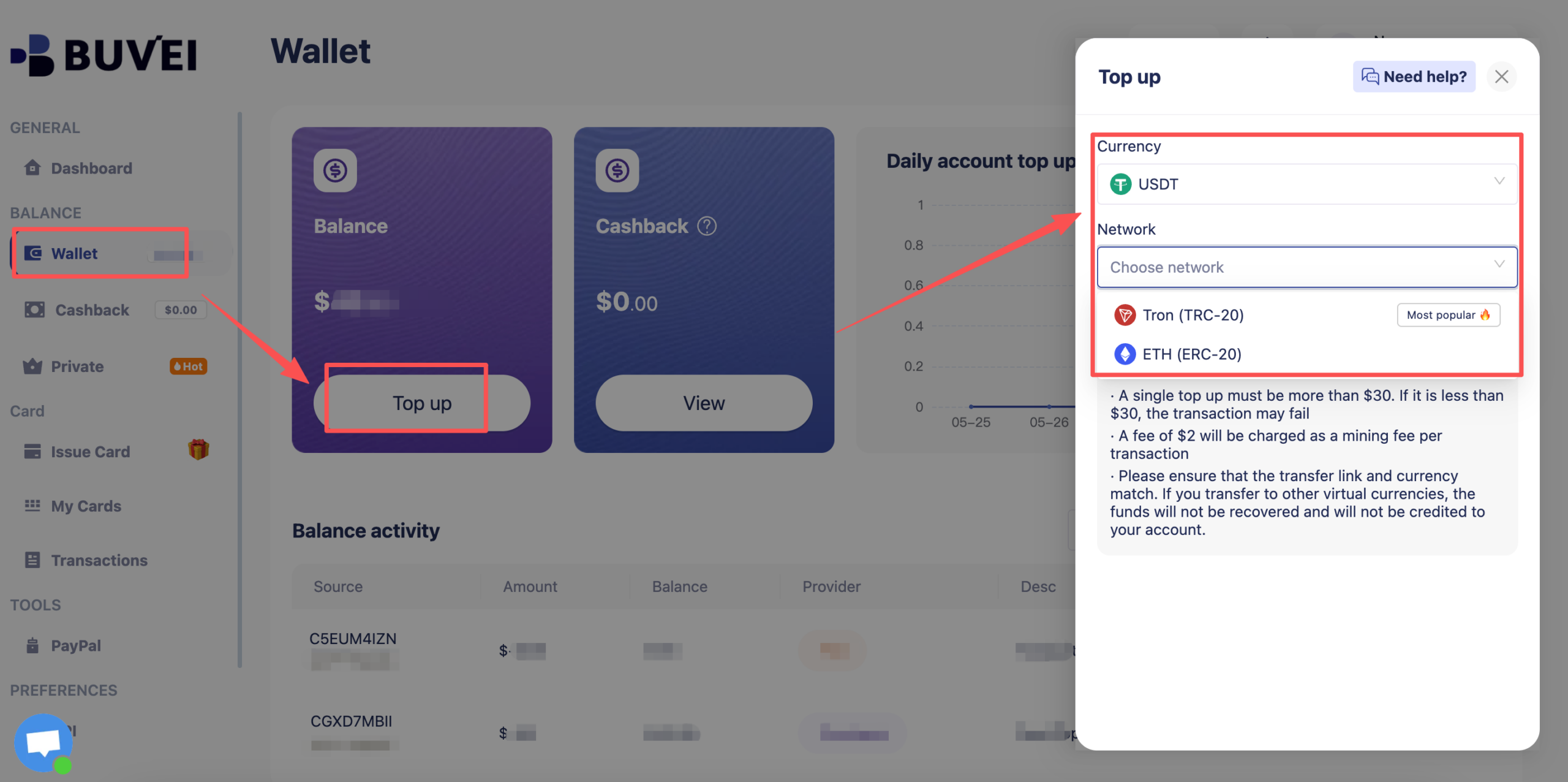
ステップ 2:ウォレットへ残高チャージ

バーチャルカードを発行する前にウォレットに資金を入金します。

画面内「Wallet」→「Top Up」を選択。

BUVEI は USDT(TRC-20/ERC-20)その他対応ステーブルコインによる入金に対応。

専用入金アドレスに資金を送付し、確認完了後残高がカード発行に使用可能な状態になります。
ステップ 3:バーチャルカード発行

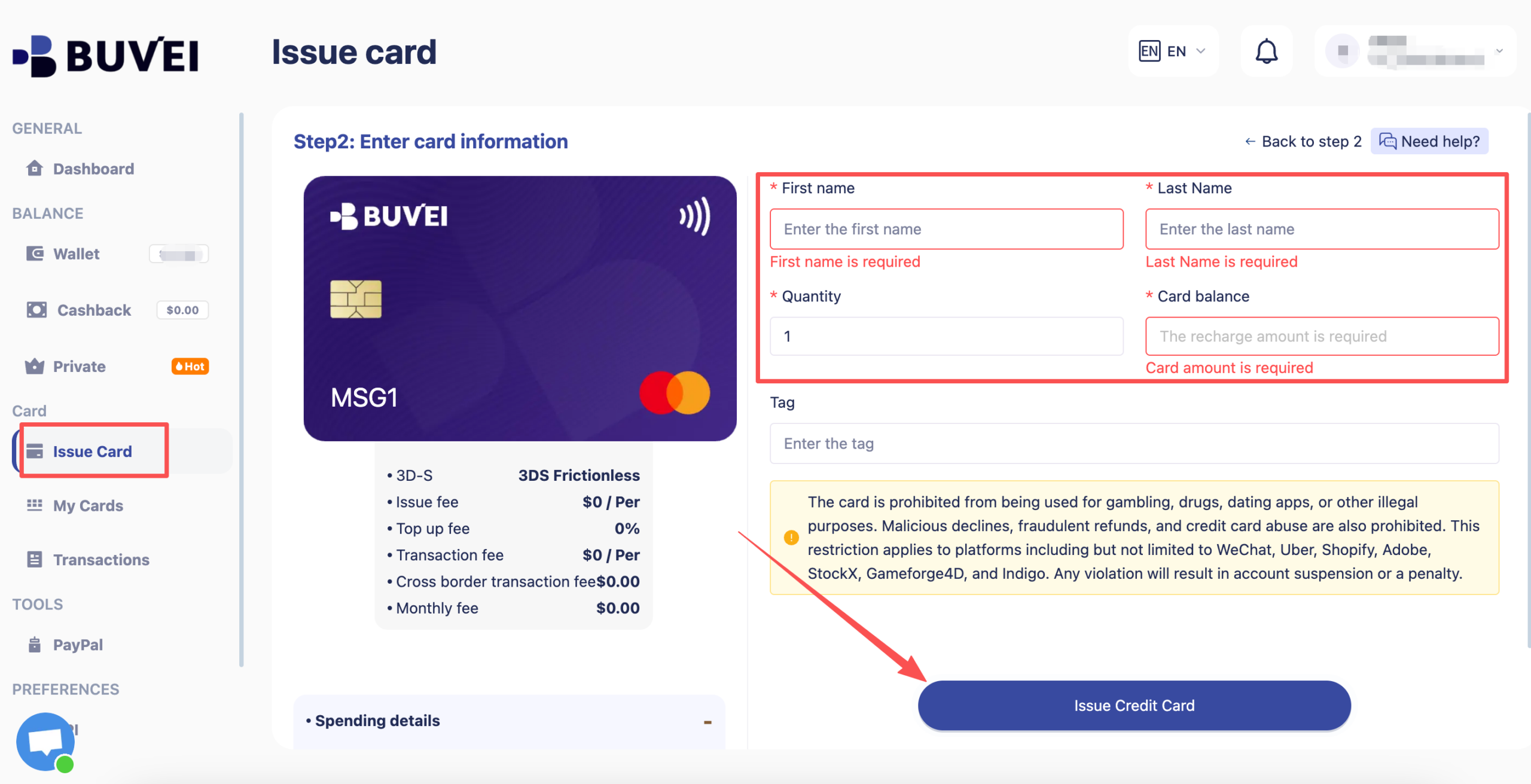
「Issue Card」ページへ移動、希望するカード種別を選び「Issue」をクリック。

カード名、チャージ金額、作成枚数を入力後「Issue Credit Card」で発行手続き完了。
ステップ 4:カード情報の確認・管理

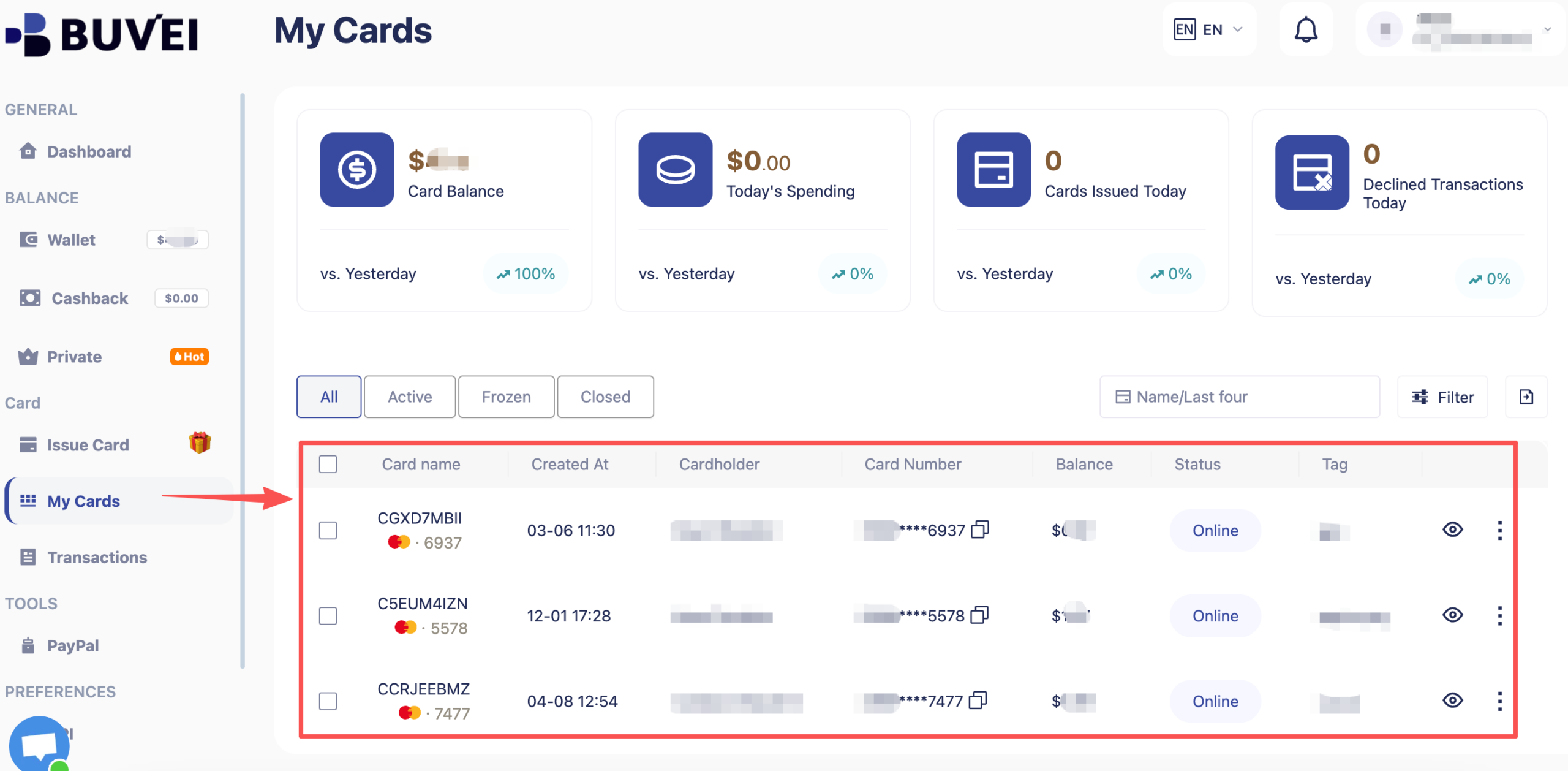
「My Cards」画面からカード番号、有効期限、CVV コードを確認可能。

「Transactions」タブで入出金履歴を閲覧し、全ての支払いを一元管理できます。
よくある質問

加盟店がバーチャルカードを拒否することはある?

はい。内部不正防止システムや支払規定に基づき、一部加盟店は特定のバーチャル・プリペイドカードを制限しています。

バーチャルカードはサブスクリプションに利用できる?

多くのバーチャルカードが継続課金に対応しますが、承認可否は加盟店の請求システムと認証ルールに依存します。

バーチャルカードは海外決済に適している?

はい。多地域のデジタル支払サービスに柔軟に対応できるため、国際オンライン決済で広く活用されています。

まとめ

バーチャルカードの拒否エラー=カード自体が使用不可とは限りません。
問題の根源は加盟店制限、認証要件、発行元情報、取引制限など多岐にわたります。
解決の鍵は支払プロセスの障害箇所を特定し、自社の業務ニーズに適合した支払ソリューションを選ぶことです。
広告キャンペーン、SaaS サブスク、国際取引を運用する企業にとって、安定したバーチャルカード基盤は決済中断を抑制し、円滑なグローバル業務運営を実現します。

Previous Article

残高があるのにバーチャルカード決済が失敗する?原因と対処法 BUVEI 安定クロスボーダー支払ソリューション

Next Article

海外旅行 eSIM 完全解説|物理 SIM に代わる理由と BUVEI グローバル eSIM 活用ガイド

Write a Comment

Leave a Comment

Your email address will not be published. Required fields are marked *

Subscribe to our Newsletter

Subscribe to our email newsletter to get the latest posts delivered right to your email.
Pure inspiration, zero spam ✨
•••• •••• 1234
•••• •••• 5678

Buvei's cards are here!

More than 20 BIN cards, covering Facebook, Google, Tiktok, ChatGpt and more