Phishing attacks remain one of the most common and dangerous cyber threats today. By tricking users into revealing sensitive financial information, attackers gain access to credit card details, online banking credentials, and business accounts. For companies and individuals alike, phishing-based payment theft can result in devastating financial losses and reputational damage.
Fortunately, virtual cards provide a powerful way to safeguard against such attacks. By generating secure, disposable card numbers for transactions, virtual cards reduce exposure and eliminate the risk of stolen banking details.
Below, we explore how virtual cards help combat phishing-related theft, and why platforms like Buvei make this solution both accessible and effective.

Reducing Exposure of Banking Information
Traditional credit and debit cards expose sensitive details—card number, CVV, and expiration date—whenever they’re used online. This makes them prime targets for phishing campaigns.
Virtual cards, on the other hand, act as a protective layer. They mask real account details with a unique number that can be restricted to specific merchants, spending limits, or timeframes. Even if attackers manage to intercept a virtual card number, its limited usability renders it useless for larger-scale theft.
Flexible Control and Spending Limits
One of the most effective defenses against phishing-based payment theft is restricting potential damage. Virtual cards allow users to:
-
Set spending caps.
-
Limit validity to one-time purchases.
-
Assign cards to specific vendors or platforms.
This ensures that even if phishing leads to stolen credentials, the financial impact is minimal. For businesses managing advertising campaigns or SaaS subscriptions, this level of control is invaluable.
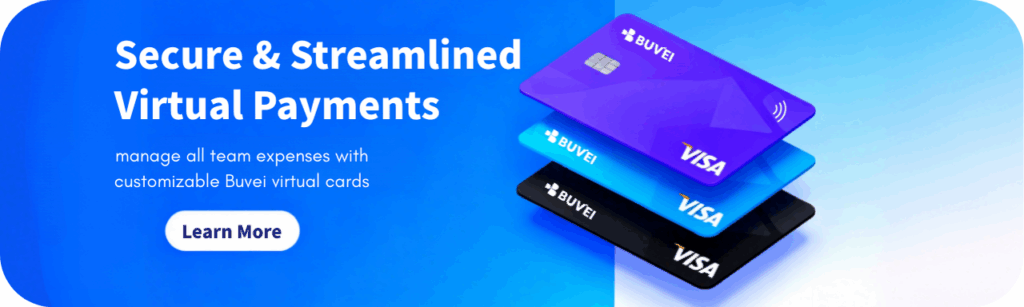
Buvei enhances this flexibility by supporting multiple BIN regions (Visa/Mastercard), helping businesses optimize payment success rates across global platforms.
Enhanced Compatibility Across Platforms
Phishing attacks often target businesses that run ads or subscribe to SaaS tools, as their payment information is stored on multiple platforms. By replacing real bank cards with virtual cards, users reduce the risk of those accounts being compromised.
With Buvei, virtual cards are compatible with major platforms such as Google Ads, Meta Ads, TikTok Ads, and Microsoft Ads, as well as popular tools like ChatGPT, Canva, and Notion. This makes it easy to maintain security without disrupting workflows.
Streamlined Issuance and Secure Funding
Time matters in digital payments. A strong defense against phishing-based theft is the ability to quickly create or replace cards.
-
Instant issuance: Buvei lets users generate virtual cards right after registration, skipping lengthy verification processes.
-
Secure top-ups: Funding is simplified with USDT (TRC20/ERC20) top-ups, which are cost-effective and fast. This reduces fees while ensuring immediate availability.
-
Transparency: Buvei provides a clear fee structure, helping users avoid hidden costs and maintain control over expenses.
These features make Buvei not only secure but also highly convenient for daily business and personal use.
Summary
Phishing-based payment theft remains a growing threat, but virtual cards provide a reliable shield. By masking real financial information, offering flexible controls, and streamlining secure payments, businesses and individuals can stay one step ahead of cybercriminals.
With its multi-account management, real-time customer service, and compliance with PCI DSS security standards, Buvei delivers a practical and trusted solution for modern payment security.
Protect your business and personal finances today. Start using Buvei virtual cards to eliminate phishing risks and gain control over your payments—secure, fast, and hassle-free.