Udemy is one of the world’s largest online learning platforms, offering both one-time course purchases and subscription-based plans. While payments are generally straightforward, some users experience declines—especially when using international debit cards or prepaid cards.
Virtual cards provide a flexible and secure way to pay for Udemy courses, manage learning budgets, and reduce cross-border payment friction.
This guide explains how Udemy processes payments, why virtual cards are useful, and how to use one successfully.
Udemy Payment Options Overview
Udemy supports multiple payment methods depending on region.
Common options include:
-
Visa and Mastercard
-
Debit cards
-
PayPal (in supported regions)
-
Mobile wallet options (varies by country)
For most users, card payments remain the primary method—especially for international purchases or subscription plans.
Udemy processes:
-
One-time payments for individual courses
-
Recurring billing for subscription products (e.g., personal plans or business plans)
Because of this mix, payment reliability is important.
Why Virtual Cards Are Useful for Online Courses
Virtual cards are particularly practical for education-related spending.
Benefits include:
-
Separate budgeting for learning expenses
-
Reduced exposure of primary bank accounts
-
Better control over recurring charges
-
Easy replacement if compromised
-
Cross-border compatibility
For freelancers, students, and remote professionals, isolating education payments from other expenses simplifies financial management.
Step-by-Step: Paying for Udemy with a Virtual Card
Below is the standardized operation guide used across Buvei tutorials.
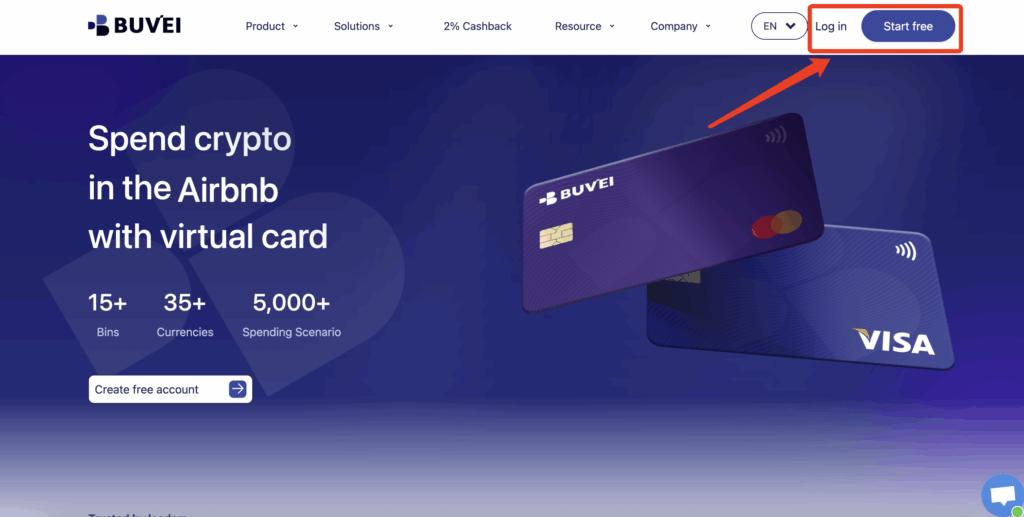
Step 1: Register a Buvei Account
-
Visit https://buvei.com
-
Create a free account
-
Complete email verification
-
Log in to your dashboard
No traditional credit card is required to create an account.
Step 2: Fund Your Wallet with Stablecoins
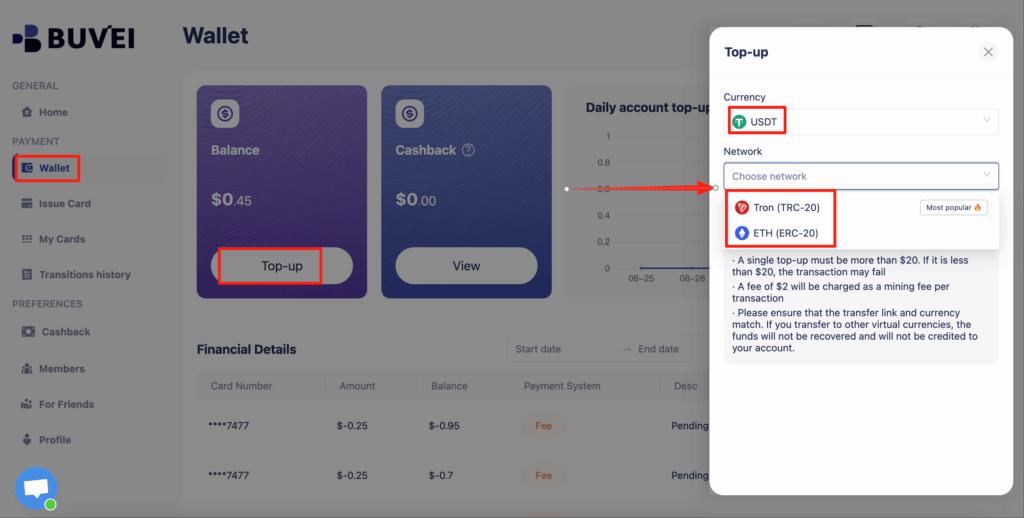
Go to the Wallet tab and deposit supported stablecoins:
-
USDT (TRC20)
-
USDT (ERC20)
Once the blockchain transaction confirms, your balance becomes available instantly.
Step 3: Create a Virtual Card
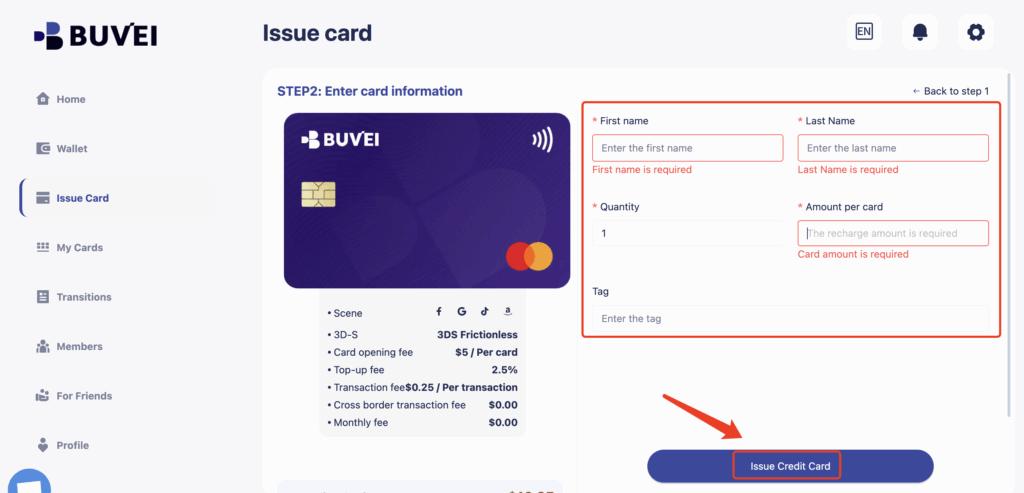
Navigate to the Cards tab:
-
Select your preferred BIN region (choose a BIN aligned with your Udemy marketplace when possible)
-
Choose card type
-
Click Issue Card
Enter the card name and funding amount, then click Create Card.
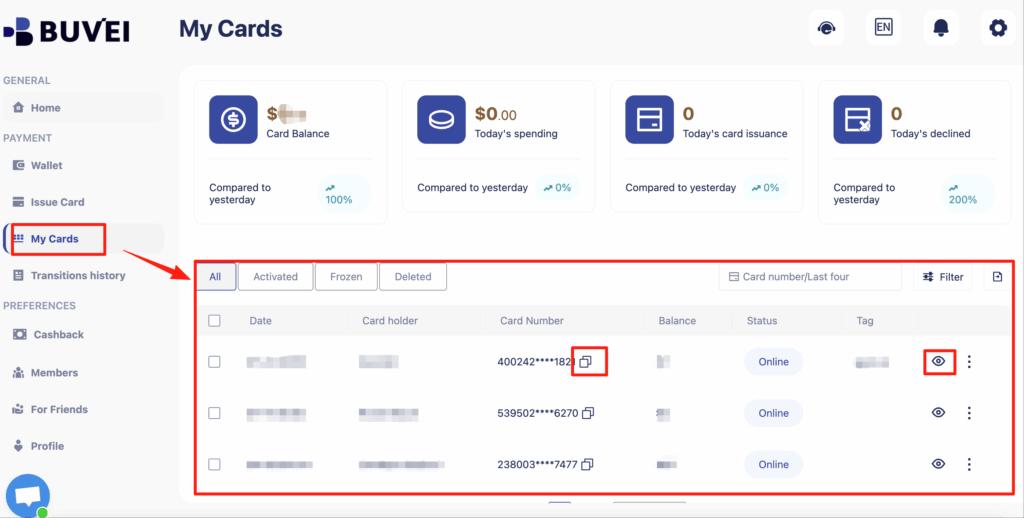
You will instantly receive:
-
Card number
-
Expiration date
-
CVV
-
Balance tracking
-
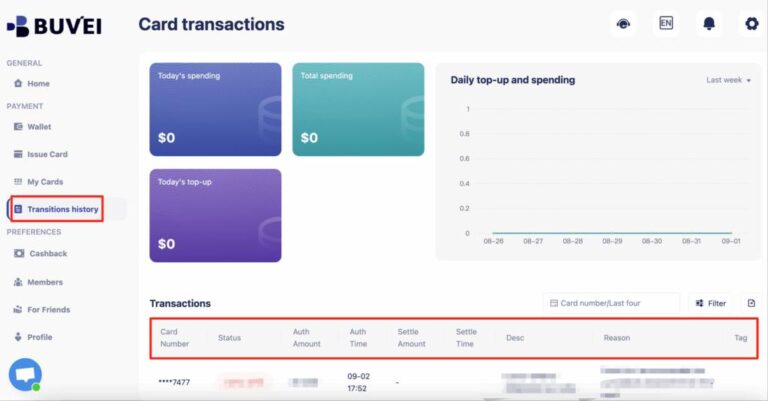
Transaction history
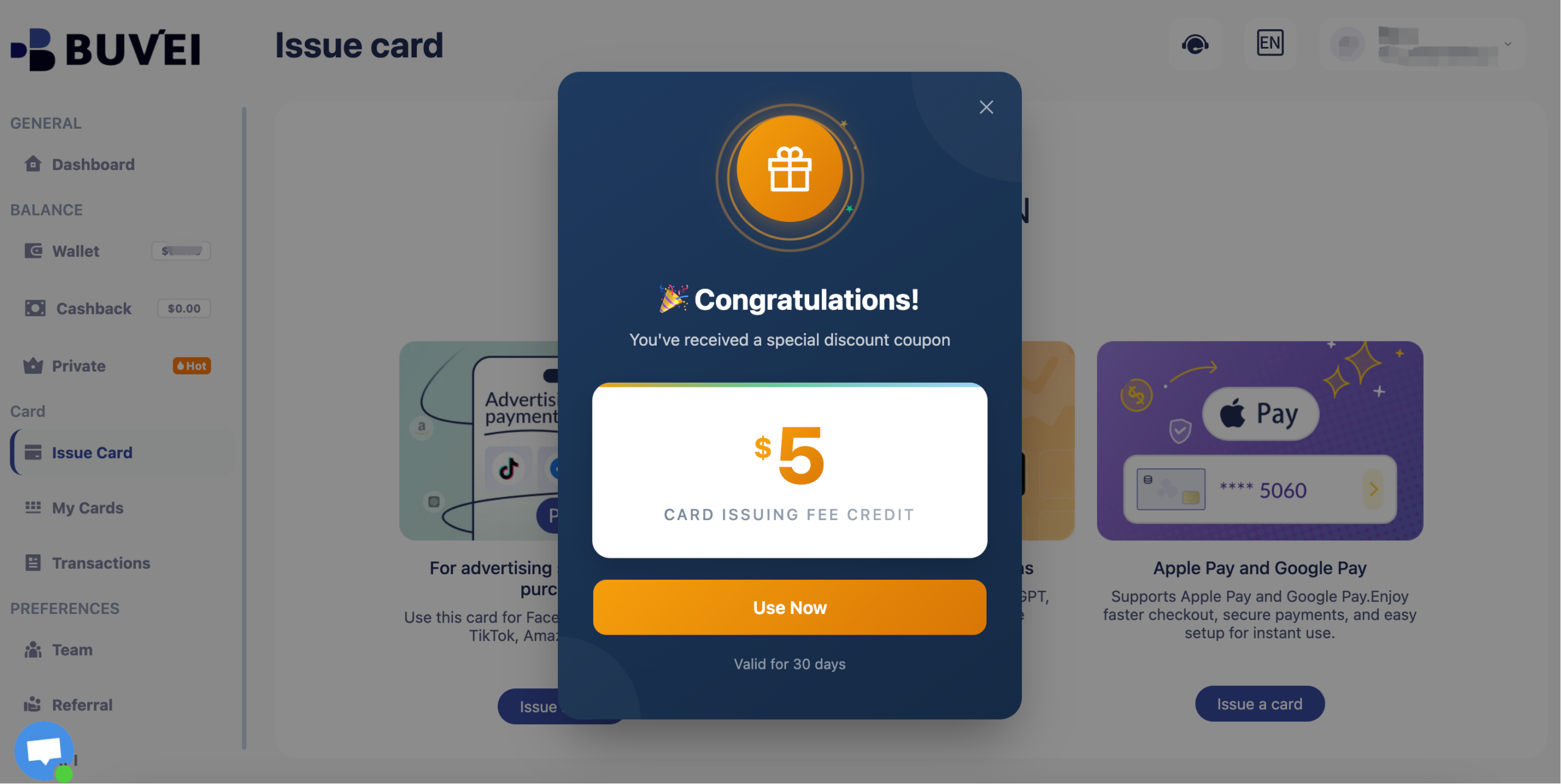
Buvei currently have a promotion: new registered users get a $5 sign-up coupon. You can claim it simply by registering.
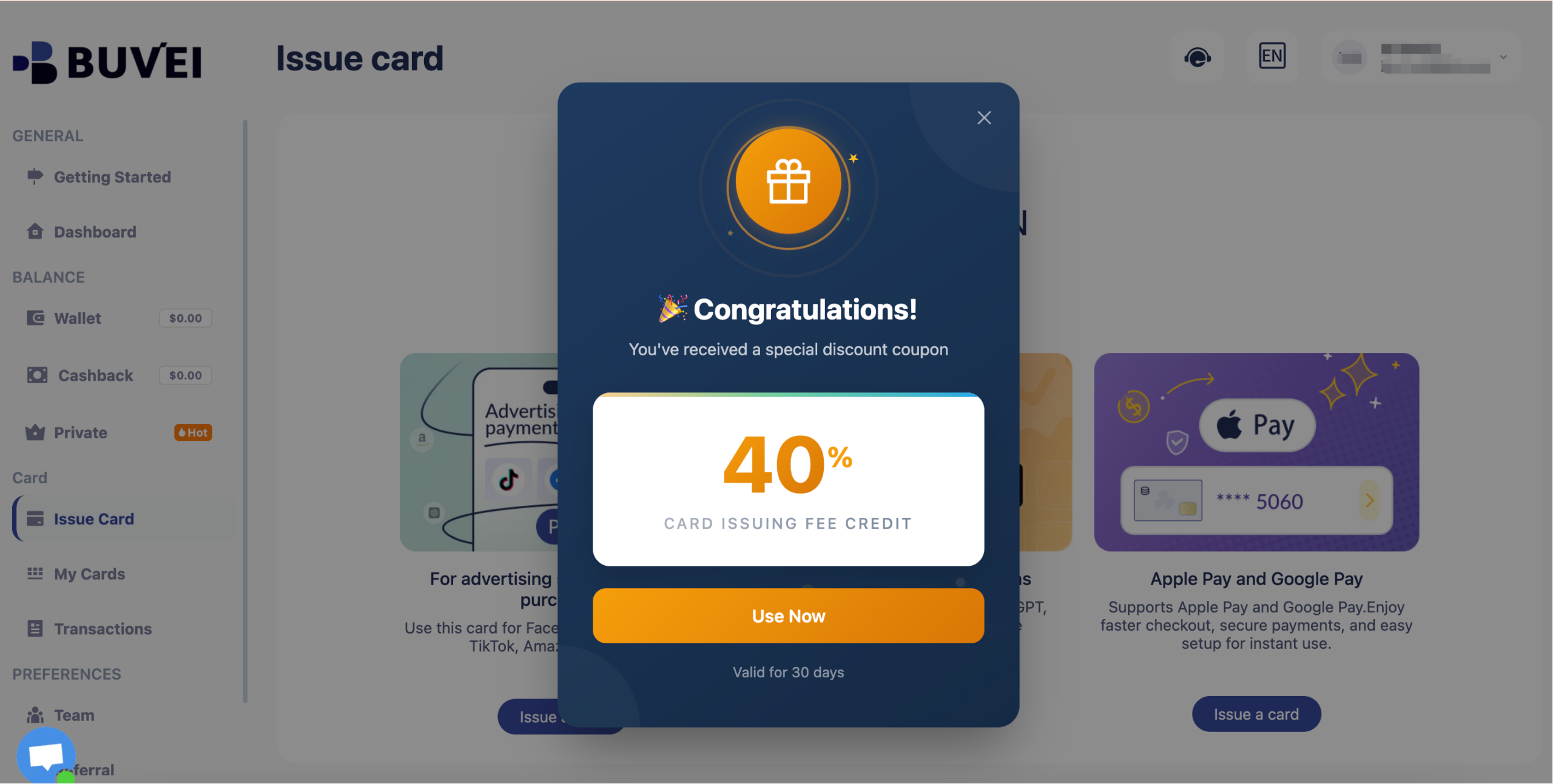
Long-term inactive users will receive a 40% discount coupon.
Managing Subscriptions and One-Time Purchases
Udemy combines both one-time purchases and recurring plans.
Best practices:
-
Use a dedicated card for subscription plans
-
Use separate cards for large one-time purchases if needed
-
Maintain balance above renewal amount
-
Monitor billing cycles
This approach prevents subscription interruptions and improves expense tracking.
Setting Spending Limits for Learning Budgets
Virtual cards make budgeting easier.
You can:
-
Fund only the amount allocated for courses
-
Issue separate cards per learning platform
-
Avoid accidental overspending
-
Close cards after completing a course purchase
For professionals investing in continuous education, this structure creates clearer financial boundaries.
Fixing Payment Declines on Udemy
If your Udemy payment fails:
-
Confirm sufficient card balance
-
Check that recurring billing is supported (for subscriptions)
-
Avoid repeated rapid retry attempts
-
Verify billing address consistency
-
Replace the card if necessary
Virtual cards can be reissued quickly, minimizing disruption compared to traditional bank-issued cards. 
Final Thoughts
Udemy payments are generally simple—but international cards and recurring subscriptions can sometimes cause friction.
Using virtual cards provides:
-
Better control over learning budgets
-
Improved cross-border acceptance
-
Reduced exposure of primary accounts
-
Easier subscription management
With a structured setup using Buvei virtual cards, paying for courses and subscriptions becomes more flexible and secure.