The Asia-Pacific (APAC) region is one of the fastest-growing digital economies in the world. However, users across Southeast Asia, East Asia, Australia, and emerging markets still face payment friction when accessing global platforms.
From ad accounts to SaaS tools and subscription services, virtual cards have become an essential payment solution for APAC users who need higher acceptance and better cross-border reliability.
This guide explains regional payment challenges, key features to look for, and how to choose the right virtual card provider for APAC-based payments.

Payment Challenges in the Asia-Pacific Region
APAC users experience a wide range of payment issues due to regulatory diversity and banking fragmentation.
Common challenges include:
-
Local debit cards blocked for international transactions
-
High FX markups from domestic banks
-
Strict fraud controls on cross-border payments
-
Inconsistent support for recurring billing
-
Limited acceptance of certain local BINs
In countries such as Indonesia, Vietnam, the Philippines, Thailand, and parts of South Asia, global merchants often apply stricter risk filters to locally issued cards.
Key Features to Look for in APAC-Friendly Virtual Cards
Not all virtual cards are equally reliable for APAC users. The most effective solutions share several characteristics:
Not all virtual cards are equally reliable for APAC users. The most effective solutions share several characteristics:
-
International Visa or Mastercard network support
-
Stable US or EU BIN options
-
Recurring payment compatibility
-
Clear FX conversion structure
-
Fast card issuance and replacement
-
Real-time transaction tracking
Cards with globally recognized BINs generally perform better on advertising platforms, cloud services, and AI subscriptions.
Multi-Currency and FX Fee Considerations
Currency handling is critical in APAC due to exchange rate volatility and multi-currency billing environments.
Important considerations include:
-
Whether billing is processed in USD
-
Whether the provider supports stablecoin funding
-
Hidden conversion spreads
-
Double conversion risks
Using USD-based virtual cards funded by stablecoins can reduce unexpected FX markups and simplify budgeting for international platforms.
Supported Use Cases: Ads, SaaS, and Subscriptions
Virtual cards are commonly used in APAC for:
-
Google Ads, Meta Ads, TikTok Ads
-
AWS, Google Cloud, Azure
-
AI tools (ChatGPT, Midjourney, etc.)
-
E-commerce marketplaces
-
Streaming and recurring subscriptions
Because many of these services use automated billing systems, consistent authorization reliability is crucial.
Compliance and Regional Acceptance Factors
APAC is not a single regulatory environment. Each country applies its own:
-
KYC standards
-
Cross-border transfer rules
-
Capital flow restrictions
-
Merchant risk scoring models
Virtual cards that are structured for international usage often bypass the acceptance limitations faced by strictly local bank cards.
However, users should always ensure compliance with local financial regulations in their jurisdiction.
Choosing the Right Provider for APAC Payments
When selecting a virtual card provider, APAC users should evaluate:
-
Card network reliability
-
Supported funding methods
-
Issuance speed
-
Transparent fee structure
-
Subscription compatibility
-
Ability to isolate multiple projects or accounts
One structured approach widely used by APAC freelancers, agencies, and digital teams is through crypto-funded virtual cards.
Below is the standardized operation guide used across Buvei tutorials.
How to Create an APAC-Ready Virtual Card with Buvei
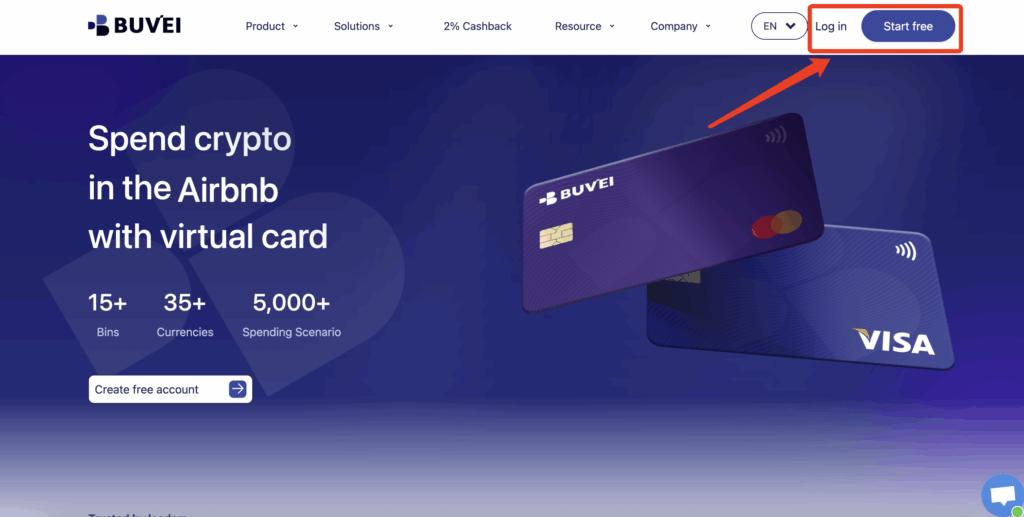
Step 1: Register a Buvei Account
-
Visit https://buvei.com
-
Create a free account
-
Complete email verification
-
Log in to your dashboard
No traditional credit card is required.
Step 2: Fund Your Wallet with Stablecoins
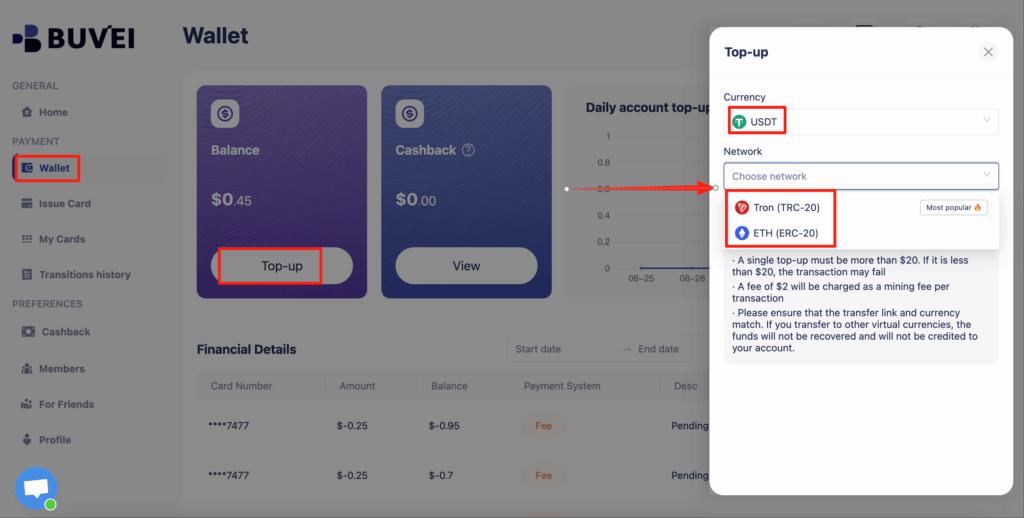
Navigate to the Wallet tab and deposit:
-
USDT (TRC20)
-
USDT (ERC20)
Once confirmed on-chain, your balance becomes available instantly.
Step 3: Create a Virtual Card
Go to the Cards tab:
-
Select a preferred international BIN (US BIN often performs well for global merchants)
-
Choose card type
-
Click Issue Card
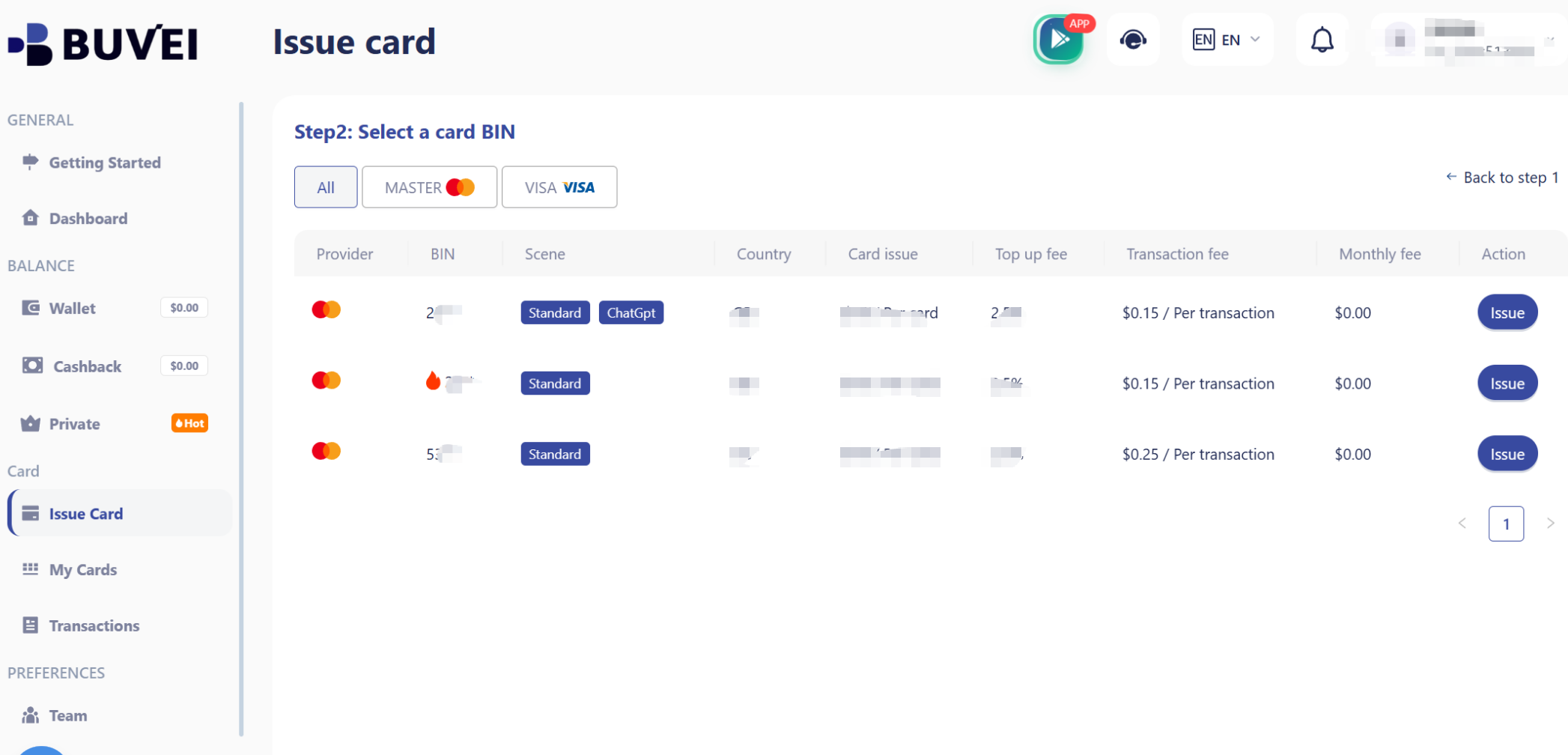
Enter the card name and initial funding amount, then click Create Card.
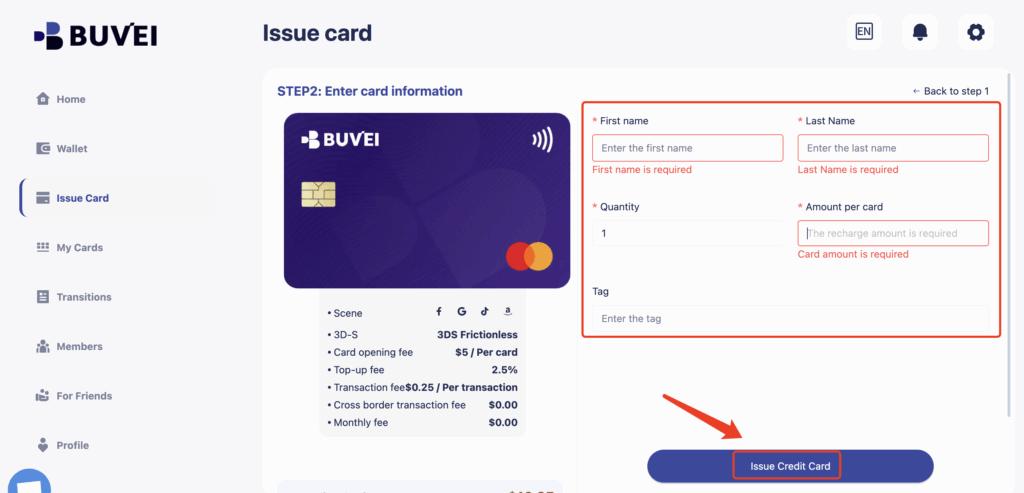
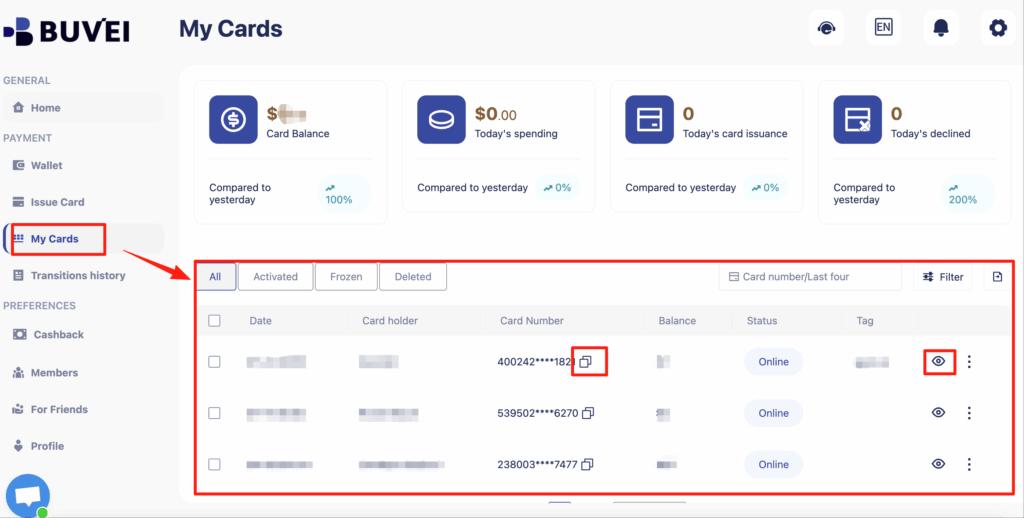
You will immediately receive:
-
Card number
-
Expiration date
-
CVV
-
Balance tracking
-
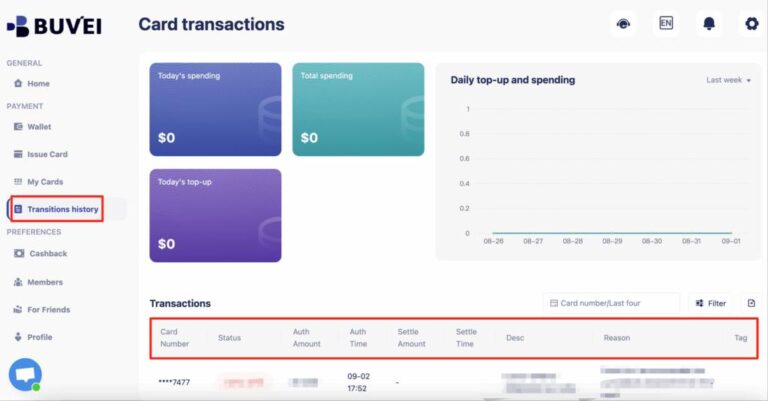
Transaction logs
This structure allows APAC users to separate ad accounts, SaaS tools, and subscriptions efficiently.
Buvei currently have a promotion: new registered users get a $5 sign-up coupon. You can claim it simply by registering.
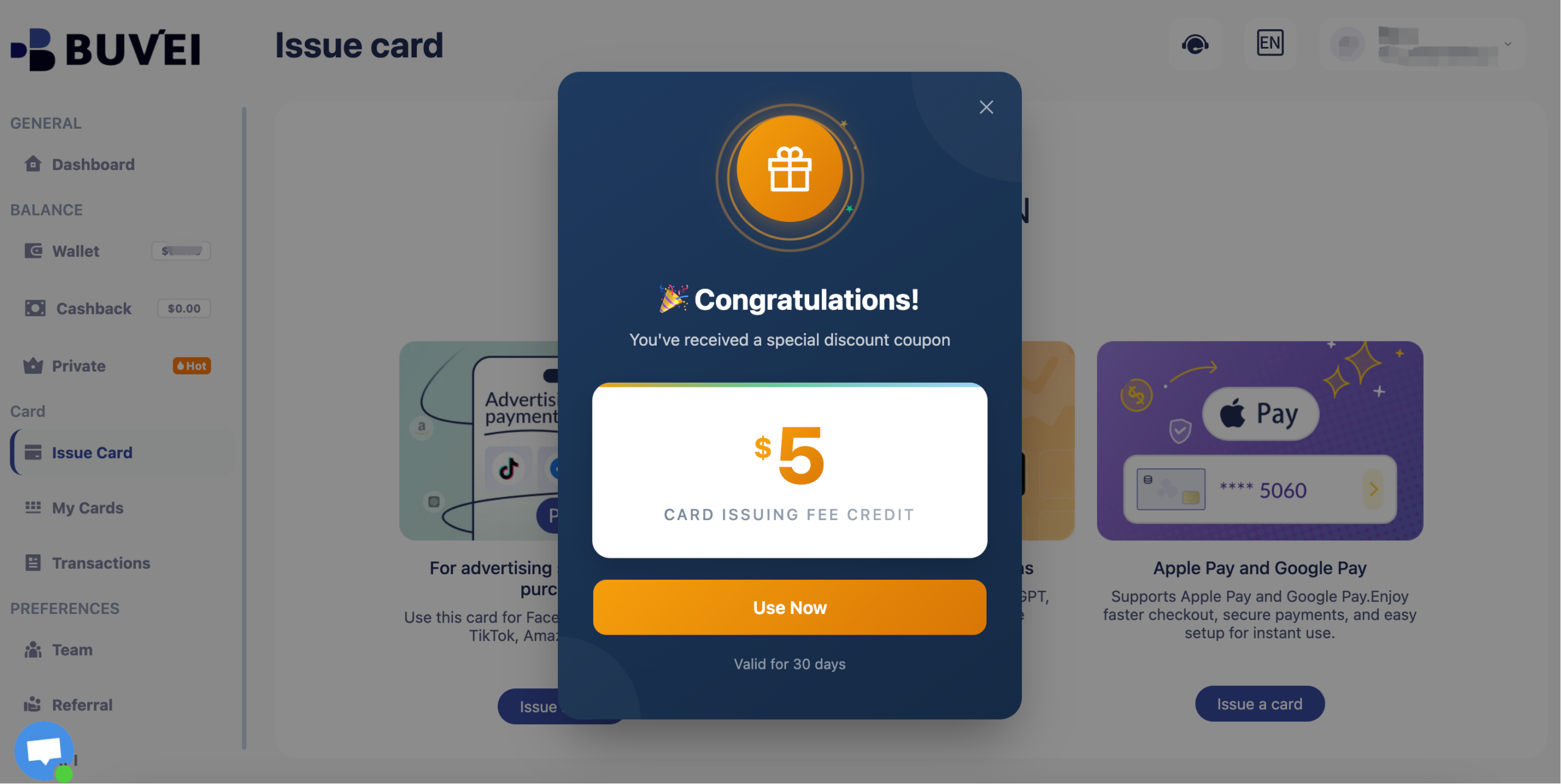
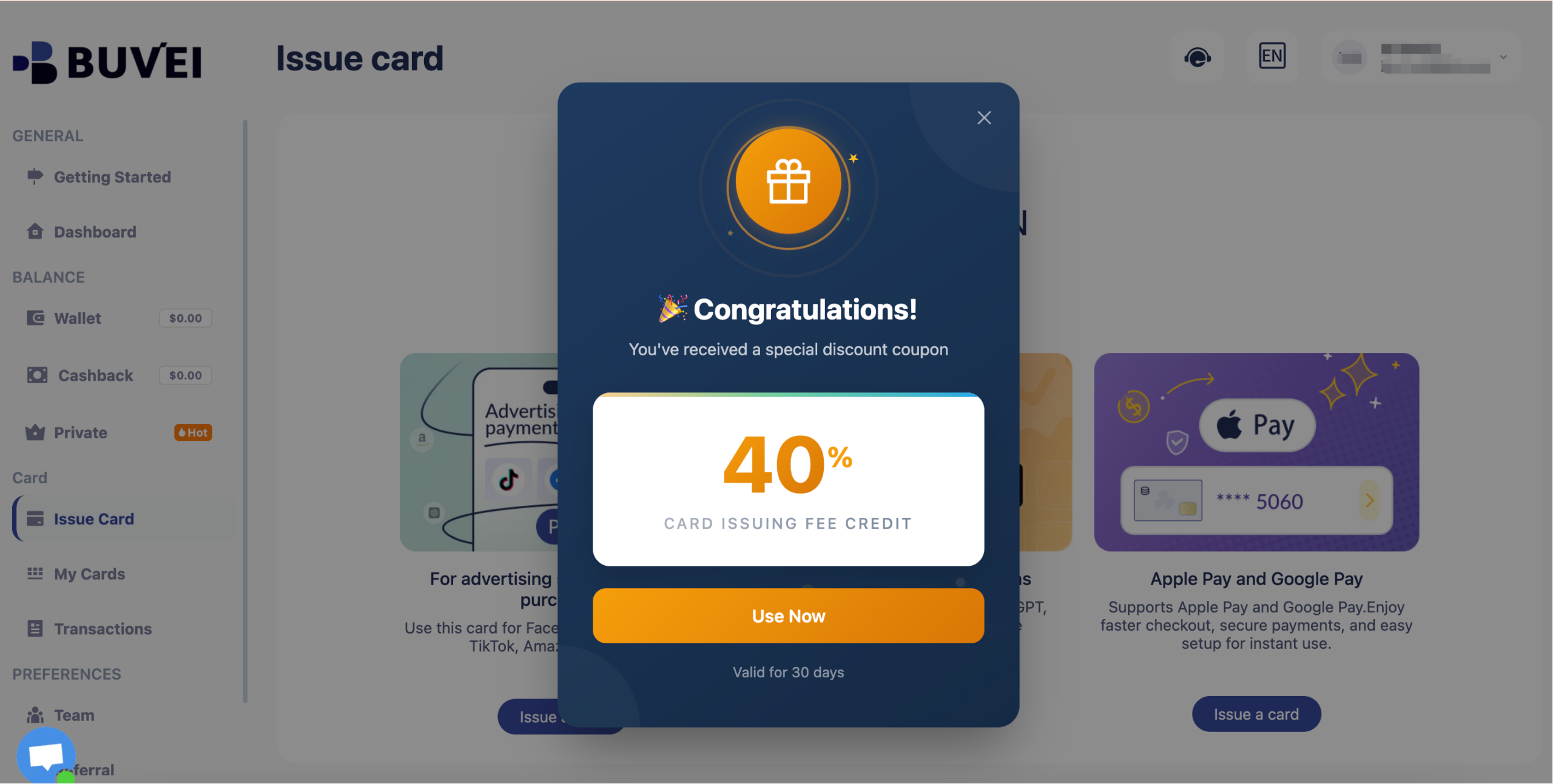
Long-term inactive users will receive a 40% discount coupon.
Best Practices for APAC Users
To improve long-term payment stability:
-
Use one card per platform
-
Maintain buffer balance before renewal cycles
-
Avoid repeated rapid payment retries
-
Monitor exchange rate exposure
-
Replace cards periodically for security
These steps significantly reduce cross-border decline rates.

Final Thoughts
APAC users face unique cross-border payment challenges—but virtual cards provide a practical solution.
By choosing providers with strong international acceptance and flexible funding methods, users can:
-
Reduce declines on global platforms
-
Control subscription spending
-
Minimize FX friction
-
Improve operational efficiency
With a structured setup like Buvei virtual cards, APAC-based freelancers, agencies, and businesses can operate globally with fewer payment disruptions.