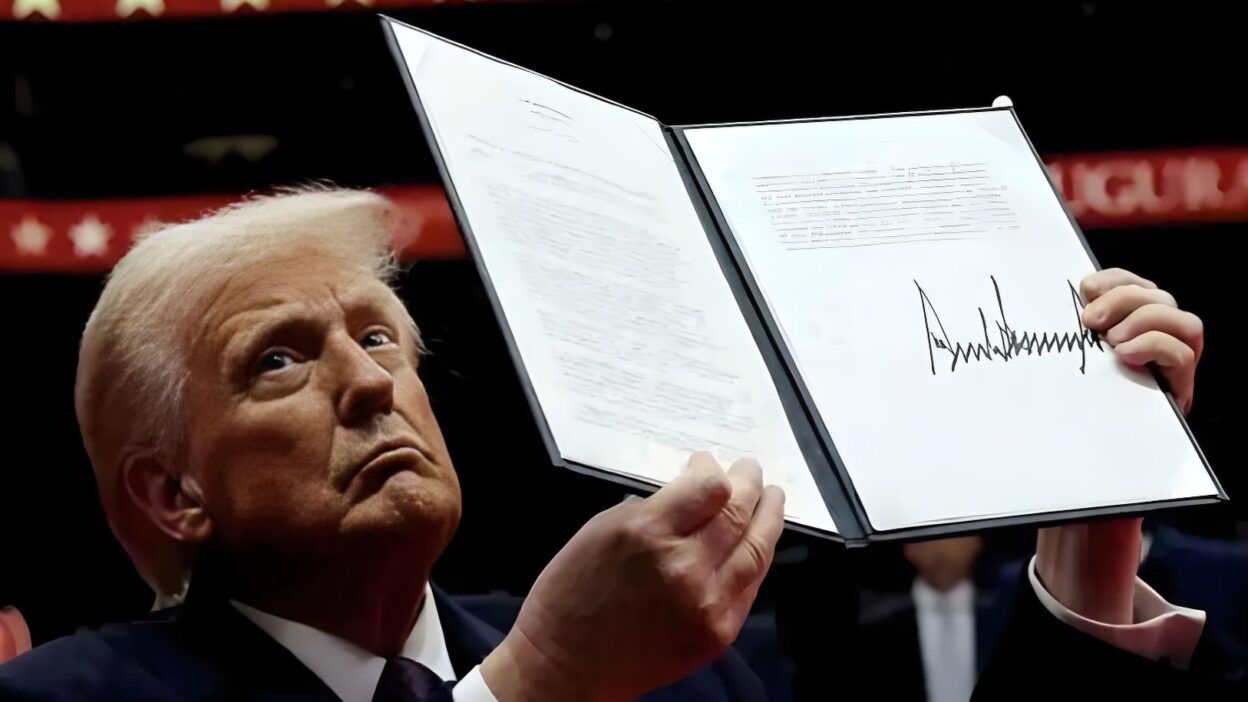
On August 7, 2025, U.S. President Donald Trump issued an executive order targeting financial institutions accused of “debanking” consumers for political reasons. The move shines a spotlight on how banks and payment processors handle access to financial services, especially for individuals and businesses that may hold controversial or politically sensitive views.
This order has significant implications for the payments industry, compliance frameworks, and the growing reliance on alternative solutions such as virtual cards. Companies like BUVEI, a global virtual card solutions provider, are emerging as valuable tools for businesses navigating regulatory uncertainty and payment risks.
In this article, we will analyze the order, its policy context, and its broader consequences for financial institutions, businesses, and consumers.
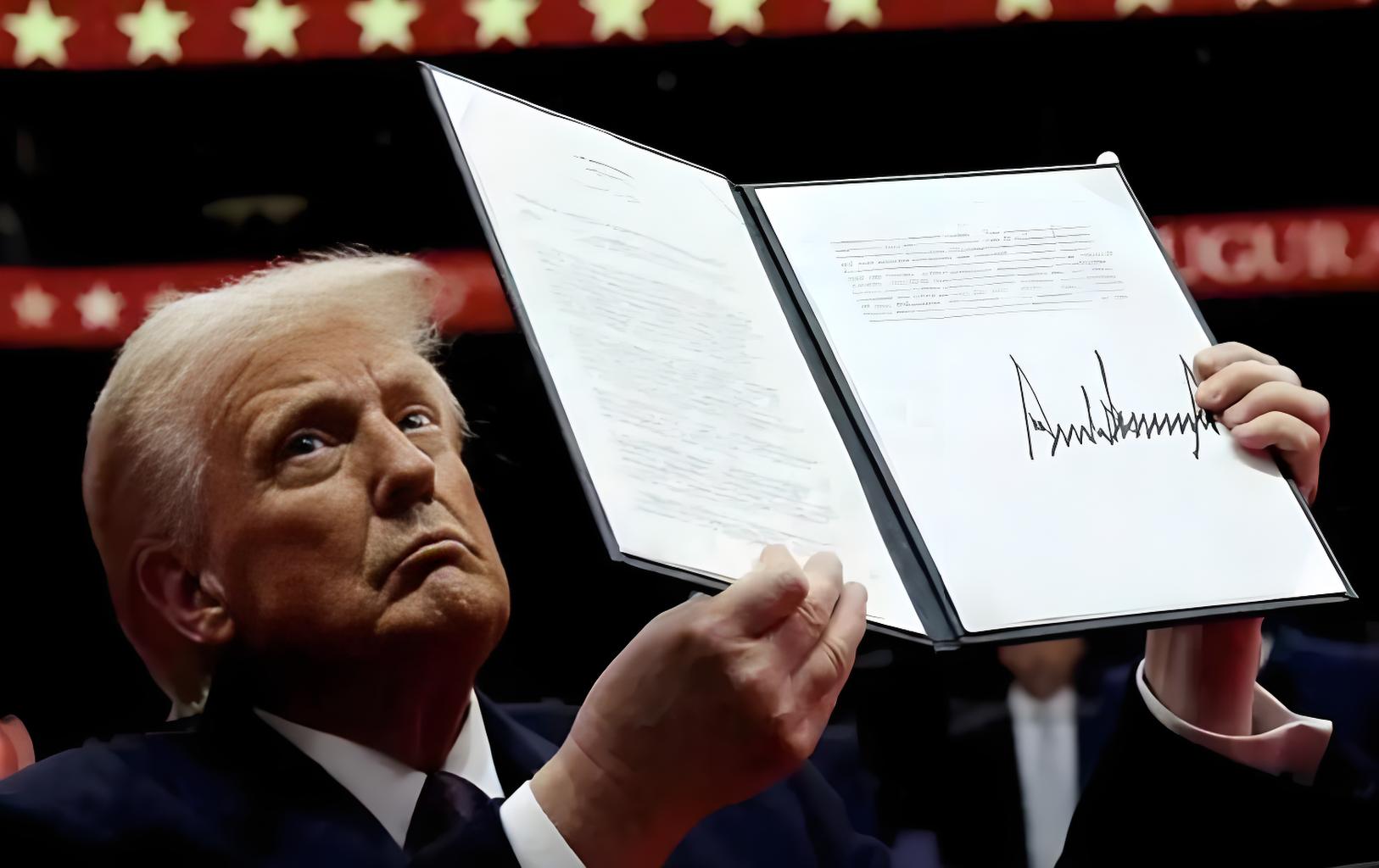
Understanding Trump’s “Debanking” Executive Order
The executive order specifically prohibits financial institutions from denying payment services based on political affiliation or religious belief.
Key requirements include:
-
Regulatory oversight: Federal banking regulators must review complaint data and identify cases where banks allegedly denied payment services for non-risk-based reasons.
-
Consumer protection: Alleged victims of discrimination must be notified and given the chance to access previously denied services.
-
Civil enforcement: Cases of unlawful debanking must be referred to the U.S. attorney general for potential civil action.
The order cites past incidents, such as individuals flagged for using payment apps with terms like “Trump” or “MAGA”, despite no criminal evidence. This reflects a concern that political bias may have crept into payment screening systems, echoing long-standing debates about financial censorship.

Policy Background: “Operation Chokepoint” and Financial Scrutiny
The executive order draws parallels with Operation Chokepoint, a Department of Justice initiative launched in 2013. That program pressured banks to cut ties with industries deemed “high-risk” (such as firearms, payday lending, and online gambling), even if those industries operated lawfully.
Critics argued that such actions effectively weaponized financial oversight, allowing regulators to push political or ideological agendas under the guise of risk management. The Trump administration had previously criticized Operation Chokepoint as regulatory overreach, and the new order underscores ongoing concerns that debanking could be used as a political tool.
By mandating a review of current practices, the order signals a return to risk-based compliance standards, where financial services should be denied only if clear evidence of unlawful activity exists.
Implications for the Payments Industry and Businesses
The order has several practical implications:
-
Increased compliance costs: Banks and payment providers must reassess their internal policies to ensure they are not engaging in “politicized” debanking.
-
Regulatory uncertainty: With the executive branch scrutinizing financial discrimination claims, institutions may face greater legal and reputational risks.
-
Shift toward alternatives: Businesses and individuals who fear payment restrictions are turning to virtual prepaid cards and multi-BIN solutions to ensure uninterrupted transactions.
This is where companies like BUVEI provide value. By supporting multiple BINs across Visa and Mastercard networks, BUVEI helps businesses diversify payment channels and improve success rates on global platforms. For advertisers, e-commerce players, and cross-border service providers, BUVEI’s secure, flexible virtual card infrastructure reduces exposure to sudden debanking risks.
Strategic Takeaways for Businesses and Consumers
For businesses navigating this evolving payments environment, several strategies stand out:
-
Strengthen compliance frameworks: Ensure all financial activities are transparently documented and aligned with risk-based standards to minimize the chance of arbitrary account closures.
-
Diversify payment options: Relying solely on one bank or processor increases vulnerability. Virtual card platforms like BUVEI offer an additional layer of resilience for global operations.
-
Monitor regulatory developments: Federal regulators will issue further guidance in the coming months. Staying ahead of compliance changes is critical for financial institutions and their clients.
-
Balance innovation and trust: While executive orders provide short-term policy direction, businesses should prioritize long-term financial flexibility by combining traditional banking with modern fintech solutions.

Conclusion
Trump’s executive order on “debanking” represents a pivotal moment in the U.S. financial regulatory landscape. By directing federal regulators to crack down on politically motivated account closures, the order seeks to restore confidence in neutral, risk-based access to payments services.
For businesses and consumers, however, uncertainty remains. The payments industry is likely to experience heightened compliance scrutiny and legal debate in the months ahead. Against this backdrop, solutions such as BUVEI’s virtual card platform offer practical alternatives—ensuring secure, efficient, and politically neutral payment access across global markets.
In an era where financial inclusion and political neutrality in banking are under the spotlight, adopting diverse payment strategies is no longer optional—it is essential.