In today’s digital era, online learning platforms like Coursera, Udemy, and LinkedIn Learning have revolutionized the way we acquire skills. While convenient, subscribing to multiple courses can lead to challenges in managing payments securely. Virtual cards offer a practical solution, ensuring secure, flexible, and efficient payments for online courses. Platforms like Buvei make it simple to create and manage virtual cards tailored for digital subscriptions and educational purchases.
This guide walks you through how to pay for online courses using a virtual card, highlighting the benefits and practical strategies to protect your financial information.
Understand the Benefits of Using a Virtual Card
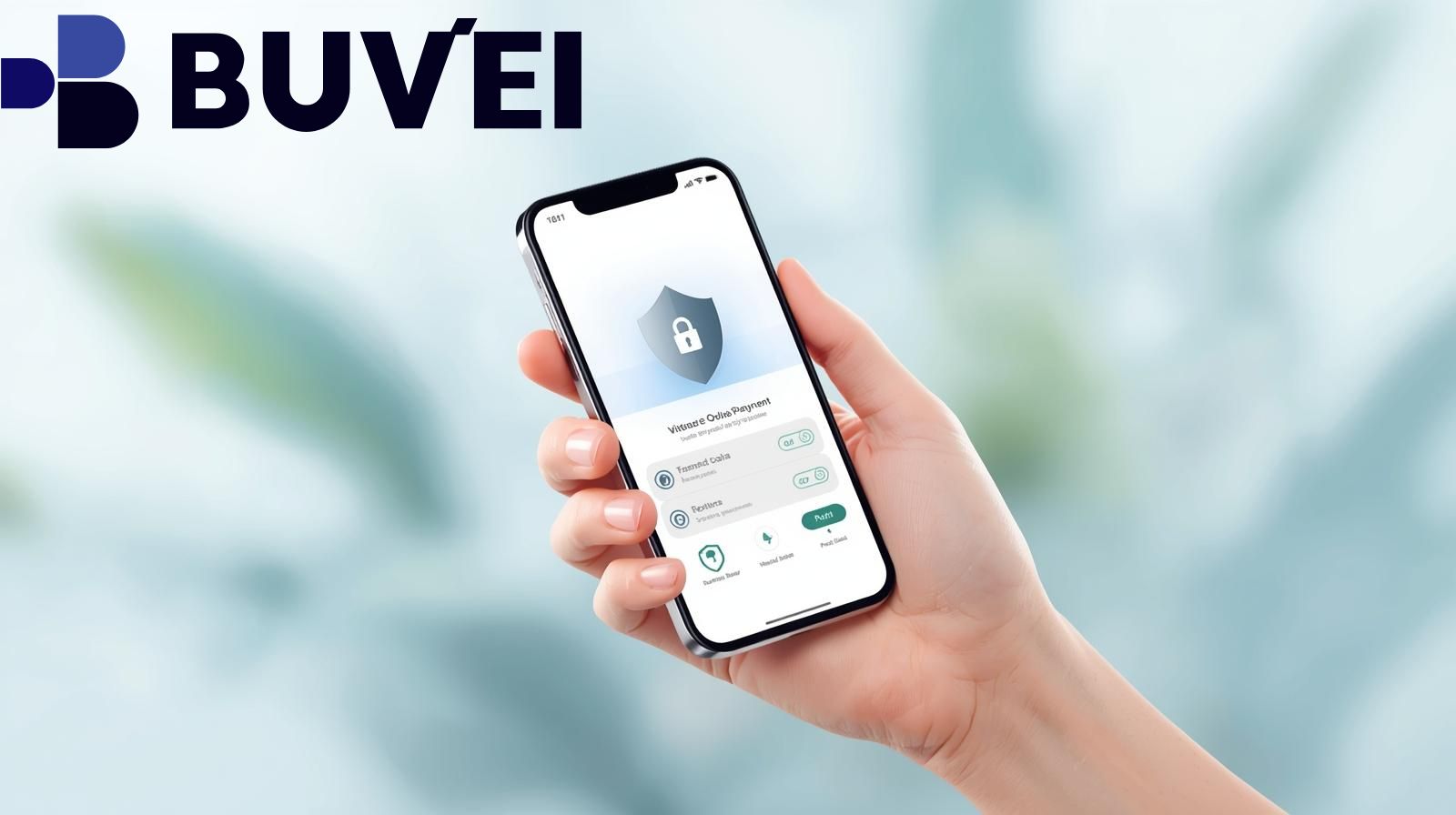
Virtual cards are digital alternatives to physical credit or debit cards. When paying for online courses, they provide multiple advantages:
-
Enhanced Security: Virtual cards prevent exposure of your real card details. Each card can have a unique number and expiration date, reducing the risk of fraud.
-
Spending Control: Set spending limits for specific courses or platforms, helping you stay within your budget.
-
Subscription Management: Easily track payments for recurring educational subscriptions without mixing them with personal expenses.
-
Instant Issuance: Platforms like Buvei allow instant generation of virtual cards, meaning you can start a course without waiting for a physical card.
Using a virtual card ensures that your online learning payments remain both secure and manageable, especially when subscribing to multiple platforms.

Choose the Right Virtual Card Platform
Selecting a reliable virtual card provider is crucial for a seamless experience. Buvei is a leading solution offering robust features for managing online payments:
-
Global Compatibility: Works with popular online course providers worldwide.
-
Custom Limits: You can specify a maximum spending amount for each card.
-
Expiry Control: Set an expiration date aligned with the duration of your course.
-
Transaction Tracking: Monitor each payment in real-time through a simple dashboard.
By choosing Buvei, learners can enjoy peace of mind while handling multiple subscriptions or high-value courses securely.
Step-by-Step Payment Process
Paying for online courses with a virtual card is straightforward. Follow these steps:
-
Sign Up with Buvei: Create an account on Buvei’s platform and verify your identity.
-
Generate a Virtual Card: Specify the amount you want to load onto the card, the expiration date, and optional limits.
-
Use the Card for Payment: Enter the virtual card details (number, CVV, expiration) at checkout on your online course platform.
-
Track and Manage Payments: Monitor course payments through Buvei’s dashboard, cancel or regenerate cards if needed, and keep subscriptions under control.
This approach ensures your real financial data remains secure while allowing flexibility in managing multiple course subscriptions.

Tips for Maximizing Security and Efficiency
To optimize your virtual card usage for online courses, consider these best practices:
-
Use Single-Use Cards: For one-off courses, generate a single-use card to minimize fraud risk.
-
Set Spending Alerts: Enable notifications to monitor transactions in real-time.
-
Regularly Update Expiration Dates: Align virtual card validity with course durations to avoid declined payments.
-
Leverage Buvei’s Dashboard: Use analytics to track your spending patterns and adjust budgets accordingly.
By following these strategies, you maintain complete control over your online course payments while enhancing security.
Conclusion
Paying for online courses with a virtual card is a smart, secure, and convenient approach. Platforms like Buvei simplify the process, allowing you to manage multiple subscriptions, control spending, and protect your financial information. Whether you’re investing in skill development or exploring new knowledge, using a virtual card ensures peace of mind and efficiency.
Embrace virtual card solutions today to make your digital learning journey safer and more manageable.