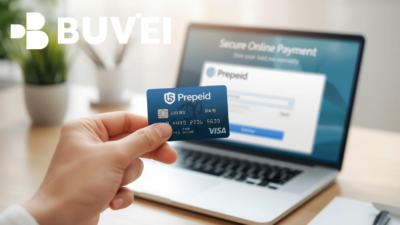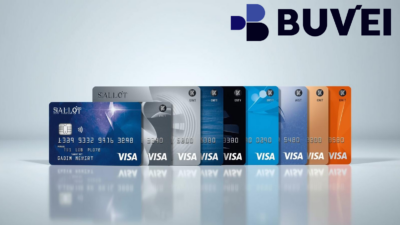
Online transactions are convenient, but they also carry security risks. Reusing the same card details across multiple platforms increases exposure to fraud, data leaks, and unauthorized charges.
One-time use virtual cards are designed to reduce these risks by limiting how and when a card can be used.
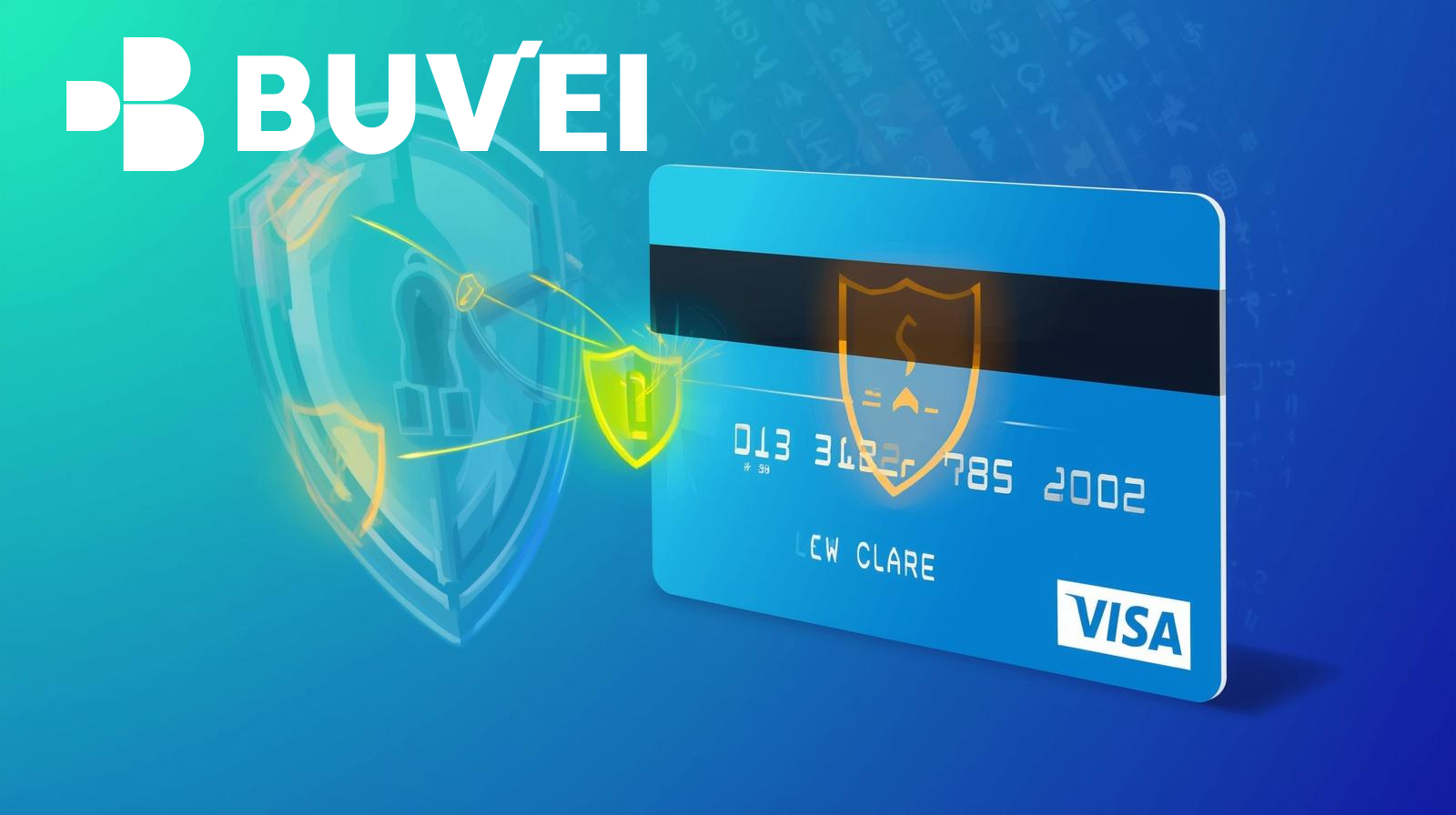
What Is a One-Time Use Virtual Card?
A one-time use virtual card is a digitally issued payment card that is valid for a single transaction or limited usage.
Unlike traditional debit or credit cards, single-use cards can:
-
Be automatically deactivated after one charge
-
Have strict spending caps
-
Be used only for specific merchants
-
Expire shortly after issuance
These cards operate on standard payment networks such as Visa or Mastercard but are designed for controlled, temporary use.
How Single-Use Cards Protect Online Transactions
Single-use virtual cards improve payment security by:
-
Preventing card detail reuse
-
Limiting exposure if a merchant database is compromised
-
Reducing risk of unauthorized recurring charges
-
Controlling maximum transaction amount
-
Isolating payments by platform
If card information is leaked, it becomes useless after its intended transaction.
This structure significantly reduces fraud risk compared to reusable cards.
When to Use Temporary or Single-Use Cards
Temporary cards are particularly useful for:
-
Testing new online platforms
-
Signing up for free trials
-
Making purchases from unfamiliar websites
-
One-time software subscriptions
-
Online shopping during promotions
They provide control without exposing your primary financial accounts.
Common Scenarios: Subscriptions, Trials, and Online Shopping
1. Free Trials
Many free trials automatically convert into paid subscriptions. A single-use card prevents unexpected recurring charges.
2. Online Shopping
For one-time purchases on lesser-known websites, a disposable card limits potential fraud exposure.
3. SaaS Tools
Temporary cards can isolate test subscriptions before committing to long-term billing.
4. Digital Services
When testing AI tools or software services, controlled payment methods reduce financial risk.
Best Practices for Secure Online Payments
To maximize security:
-
Use separate cards for different merchants
-
Set spending limits equal to purchase amounts
-
Monitor transaction logs regularly
-
Avoid storing reusable card details on unknown platforms
-
Maintain a structured card management approach
Layered control significantly reduces payment risk.
Conclusion
One-time use virtual cards offer an effective solution for secure online payments. By limiting exposure and controlling transaction scope, they reduce the risk of fraud and unauthorized recurring charges.
For users who want greater control over subscriptions, trials, and online purchases, virtual cards provide a flexible alternative to traditional bank cards.
Platforms like Buvei support USDT deposits, instant card issuance, and adjustable limits — enabling structured and secure digital payment management.