In a digital-first world where online shopping, subscriptions, and remote work are the norm, the amount of personal data we share is growing rapidly. Unfortunately, this also increases our vulnerability to personal data breaches. Whether it's your financial information, passwords, or ID numbers, any leak can lead to serious consequences—like identity theft or fraud.
What Is a Personal Data Breach?
A personal data breach is any unauthorized access to sensitive personal information—such as your name, address, financial account details, or login credentials—that compromises its security or confidentiality. Breached data can be misused for identity theft, unauthorized payments, or social engineering attacks.
Common data types targeted include:
-
Full names and contact details
-
Bank account or card information
-
Login credentials for online platforms
-
Government-issued identification numbers
Common Causes of Data Breaches
Data breaches can result from both intentional attacks and human error. Here are some of the most common scenarios:
-
Hacking: Cybercriminals use malware, brute-force attacks, or exploit system vulnerabilities to gain unauthorized access.
-
Keylogging: Hidden software records keystrokes to steal passwords and card numbers.
-
Phishing & Social Engineering: Fraudsters impersonate legitimate entities (banks, service providers) via emails, calls, or texts to trick users into giving up information.
-
Insider threats: Employees or contractors with access may leak or misuse data—intentionally or unintentionally.
-
Lost or stolen devices: Unsecured laptops or phones can be an easy target if they store unprotected personal data.
How To Know If Your Data Was Breached
Not all breaches are instantly obvious. Look out for signs like:
-
Suspicious charges on your credit or debit card
-
Alerts about login attempts from unfamiliar devices or locations
-
Emails or SMS from services saying “your account has been compromised”
-
Declines or issues when using your usual payment methods
-
Calls or emails asking you to “verify” sensitive information
-
Credit score fluctuations or alerts for accounts you never opened
What To Do If You Suspect a Breach
-
Act fast: Contact your bank or card issuer to block the card and monitor recent transactions.
-
Freeze your credit: This prevents fraudsters from opening accounts under your name.
-
Report identity theft: In the U.S., you can do so at identitytheft.gov.
-
Use a virtual card: Switch to a Buvei virtual card to isolate further risk and avoid exposing your primary card.
-
Enable transaction alerts: Get real-time notifications for every payment activity.
-
Update passwords: Use strong, unique passwords and activate two-factor authentication on all your accounts.
Why Buvei Virtual Cards Protect Better
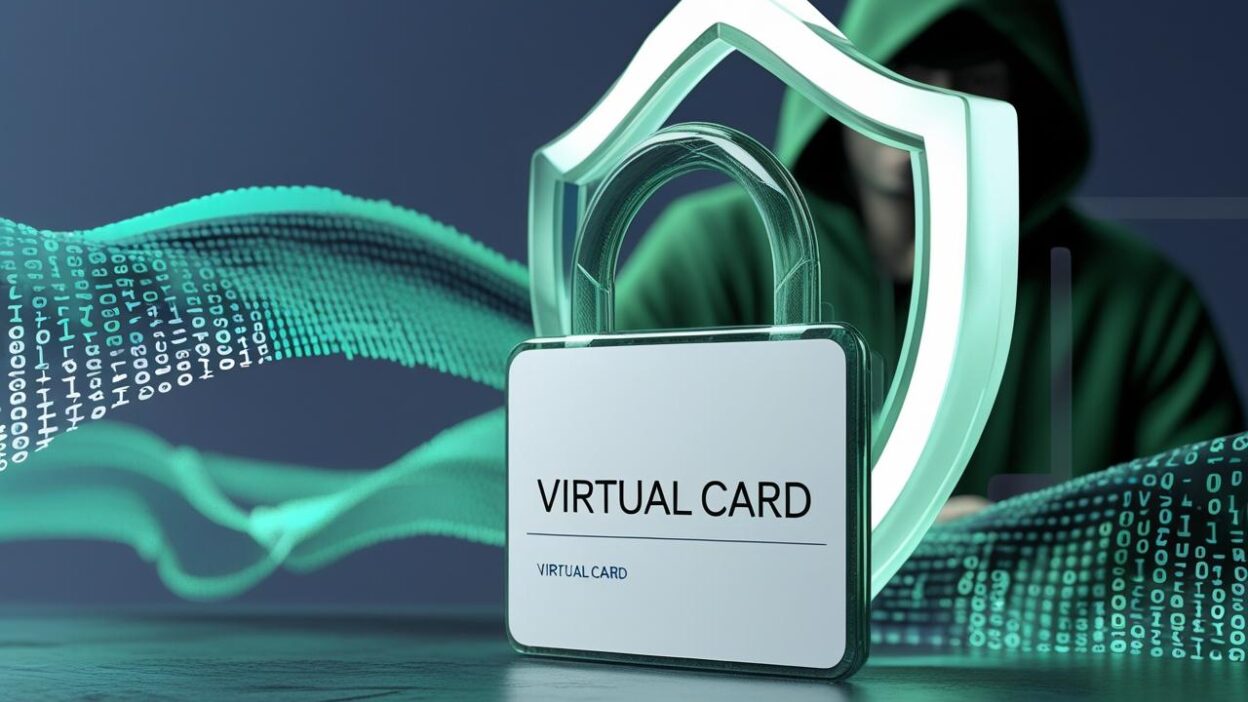
Using virtual cards is one of the simplest and most effective ways to reduce your risk of financial data exposure. Buvei’s virtual cards offer:
-
Randomized card numbers that are separate from your bank account
-
Merchant-specific cards that can only be used on the site where they’re created
-
Per-card spending limits to stop overcharges and recurring billing abuse
-
Instant freeze and delete functions to block suspicious activity
-
No impact on your primary financial account
How To Prevent Future Breaches
While you can't control how platforms store your data, you can improve your own defenses:
-
Use strong passwords: Avoid reusing old passwords. Consider using a password manager like Bitwarden or 1Password.
-
Enable two-factor authentication: Adds an extra layer of account security.
-
Use a VPN on public Wi-Fi: Prevents man-in-the-middle attacks when accessing sensitive information.
-
Be cautious with links: Don’t click suspicious links or download unknown attachments.
-
Use Buvei cards for online payments: Protect your real account by using prepaid, virtual cards with limited exposure.
Stay In Control With Buvei
No one is fully immune to data breaches—but with proactive steps and the right tools, you can minimize your exposure and quickly recover. Buvei virtual cards offer a secure, flexible way to manage your finances online without risking your real card data.
Ready to upgrade your financial security? 👉 Try Buvei today