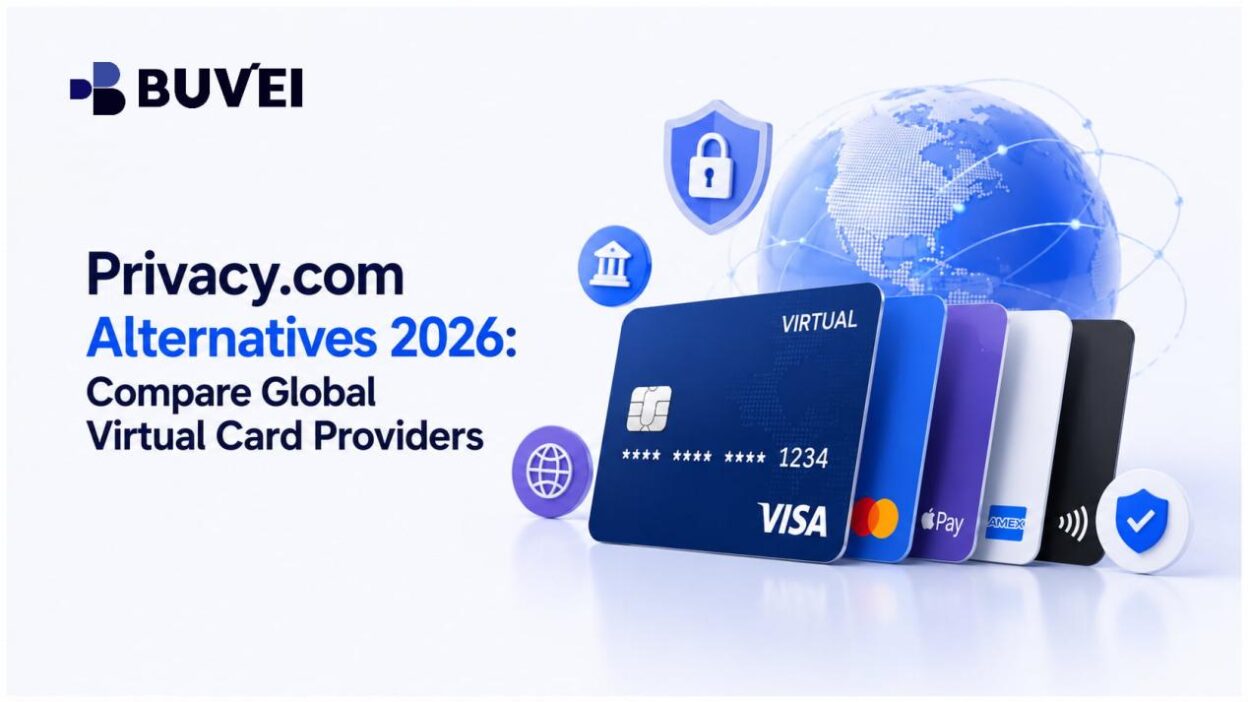
Privacy.com has become a common starting point for users looking for virtual cards for online payments and privacy-focused transactions. But as payment operations become more complex, many businesses eventually face a different question: is a simple virtual card enough for the way they operate?
A company managing advertising accounts, software subscriptions, international vendors, or multiple digital services may require a more structured approach to payment management.
This guide compares Privacy.com alternatives in 2026 and explains which types of virtual card providers are better suited for different business scenarios.
Why Businesses Explore Privacy.com Alternatives
For simple online purchases, a basic virtual card can solve the problem quickly. However, business payment requirements often change as operations grow.
The challenge is rarely creating another card. The challenge is keeping payments organized when a company is managing multiple accounts, recurring subscriptions, advertising expenses, or international vendors at the same time.
Businesses exploring alternatives usually look for better ways to separate expenses, manage payment activity, support international transactions, and handle larger payment volumes.
What to Consider When Choosing a Privacy.com Alternative
Choosing a Privacy.com alternative is not simply about comparing features. The more important question is whether the platform matches the way a business manages payments.
Global Payment Coverage
International payment support is often where simple virtual card solutions start to show their limitations.
Companies operating across markets should look at whether a provider supports international merchants, recurring payments, and different payment environments.
Payment Management
As payment activity grows, managing everything through one payment method can quickly become difficult.
A suitable platform should help teams organize spending, separate different payment purposes, and maintain clearer visibility over digital expenses.
Scalability and Integration
A payment setup that works for a small operation may become difficult to maintain as transaction volume increases.
Businesses managing larger payment programs may look for platforms that support scalable card management, automation, or integration with existing workflows.
Privacy.com Alternatives for Different Business Needs
A “Privacy.com alternative” can mean very different things depending on who is searching.
A small team managing subscriptions, an advertising agency running campaigns, and a fintech company building payment products may all be looking for different capabilities.
Privacy.com Alternatives for Global Business Payments
For international businesses, the main concern is usually not simply having access to a virtual card. It is whether payments can remain reliable across different markets.
Companies often use virtual cards for software subscriptions, cloud services, supplier payments, and other online expenses. In these situations, payment coverage and operational flexibility become important factors when choosing a provider.
Privacy.com Alternatives for Advertising and Media Buying Teams
Advertising is one of the areas where payment infrastructure directly affects daily operations.
Teams managing Google Ads, Meta Ads, TikTok Ads, or affiliate campaigns often work with multiple accounts, budgets, and payment flows. A payment issue on the wrong account can interrupt campaign activity and slow down scaling.
For these teams, a suitable alternative should support better payment organization, expense separation, and more reliable campaign operations.
Privacy.com Alternatives for FinTech and SaaS Companies
For FinTech companies and SaaS platforms, the requirement is usually different.
These companies are often not looking for another card for internal spending. They may need payment infrastructure that can be integrated into their own products or workflows.
Virtual card issuing capabilities, automation, and flexible integrations become more important when businesses are building payment experiences for users.
BUVEI: A Privacy.com Alternative for Scalable Digital Payments
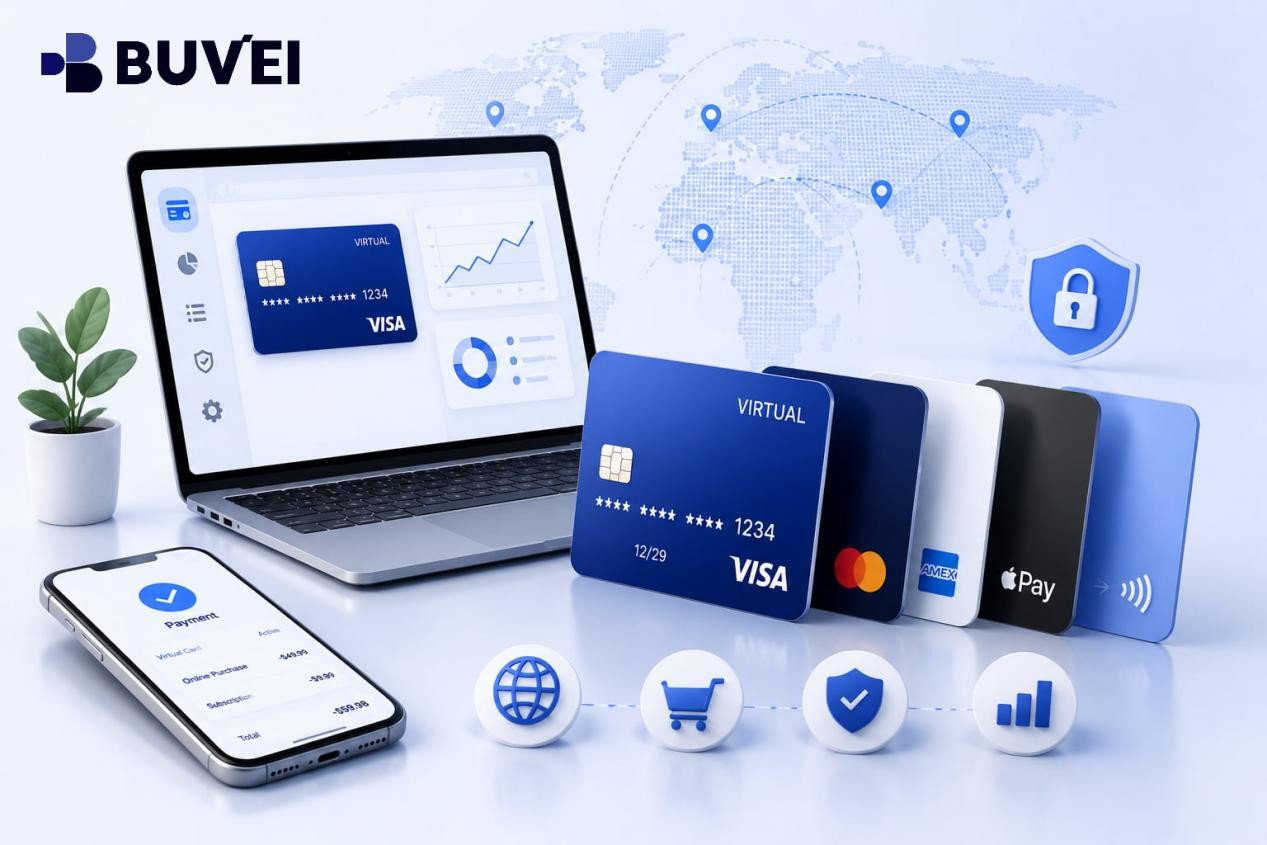
BUVEI is designed for businesses that manage multiple digital payment workflows and need more control over how virtual cards are created and used.
The platform supports multi-BIN virtual cards, fast card issuance, dedicated payment cards, and USDT top-up support, helping companies manage different payment requirements through a more structured system.
For digital businesses, advertising teams, and companies operating across multiple platforms, BUVEI provides scalable card management and modern online payment infrastructure.
Privacy.com vs BUVEI: Which Solution Fits Your Business?
The difference between Privacy.com and BUVEI is not about which platform is universally better. The key difference is the type of payment environment each solution is designed for.
Privacy.com is commonly used for simpler virtual card scenarios, while BUVEI focuses on businesses that require scalable card management and digital payment infrastructure.
| Feature | Privacy.com | BUVEI |
| Best for | Simple online payments | Scaling digital businesses |
| Main focus | Privacy-focused virtual cards | Business payment infrastructure |
| Typical users | Individuals and small teams | Digital businesses and payment-focused teams |
| Card management | Basic virtual card workflows | Multi-BIN virtual card management |
Conclusion
Privacy.com remains a practical option for users who need simple virtual cards for online payments. However, businesses with more complex payment workflows may look for platforms designed around broader payment management, scalability, and operational flexibility.
The best alternative depends on how a company operates, whether it is managing international expenses, scaling advertising campaigns, or building digital payment solutions.